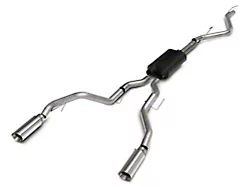

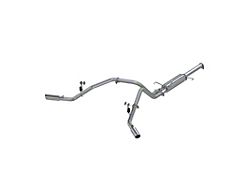

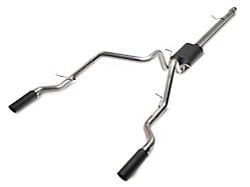
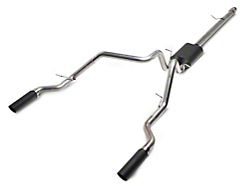
Unleash your diesel’s potential with performance-engineered Ford F-250 exhaust systems designed to maximize power and sound. Factory exhaust systems prioritize cost reduction and noise suppression over performance, utilizing restrictive components that choke exhaust flow and limit power output. Aftermarket exhaust systems remove these restrictions with mandrel-bent tubing, high-flow mufflers, and optimized routing that reduces backpressure while increasing horsepower and torque. Beyond performance gains, upgraded exhausts deliver satisfying sound enhancement ranging from subtle refinement to aggressive diesel roar based on your preferences. Quality systems utilize durable stainless steel or aluminized construction that resists corrosion while featuring precise fitment for straightforward installation. Whether towing heavy loads or seeking maximum performance, the right exhaust system transforms your diesel’s character.
Exhaust System Type
System type determines which portions of your factory exhaust receive replacement, with each configuration offering distinct advantages for performance, sound, and value.
- Cat-Back System designs replace everything from the catalytic converter back to the exhaust tips, providing excellent performance gains with legal emissions compliance and straightforward bolt-on installation.
- Filter-Back System configurations replace exhaust components from the diesel particulate filter rearward, specifically engineered for diesel trucks to maximize flow while maintaining emissions equipment functionality.
Exhaust Tubing Diameter
Tubing diameter directly impacts exhaust flow capacity and backpressure characteristics. Larger diameter tubing reduces restriction for high-performance applications while smaller diameter maintains velocity for specific power bands.
- 4.00 Inch tubing provides substantial flow increase over factory diameter, delivering noticeable power gains for moderately modified trucks while maintaining good exhaust velocity for quick turbo spool.
- 5.00 Inch tubing offers maximum flow capacity for heavily modified diesels with upgraded turbos and fueling, eliminating exhaust restriction as a limiting factor for extreme power builds.
Exhaust Tip Outlet Style
Outlet style determines the visual appearance and sound characteristics of your exhaust exit, with different configurations creating distinct aesthetic and audible signatures.
Single outlet exhausts route all exhaust gases through one exit, creating bold visual statement with large tip while producing focused, aggressive exhaust note.
Dual outlet exhausts split flow between two tips for balanced appearance and slightly mellower tone that many find more refined for daily driving while still delivering performance benefits.
Selecting the ideal Ford F-250 exhaust systems requires understanding the key factors that distinguish quality options from substandard alternatives. Critical considerations include material composition and construction quality, compatibility with your specific application, and how various features align with your performance and aesthetic objectives. The following frequently asked questions address the most important aspects of Ford F-250 exhaust systems selection, helping you make an informed decision that delivers lasting satisfaction.
Frequently Asked Questions
1. How much power will an exhaust system add?
Power gains from exhaust systems vary based on your baseline configuration and other modifications, but most F-250 owners see 15-30 horsepower and 20-40 lb-ft of torque from quality cat-back or filter-back systems. Heavily restricted factory systems show the most dramatic improvements, while trucks with existing modifications may see smaller incremental gains. Diesel trucks typically realize better gains than gasoline engines due to higher exhaust volume. Maximum benefits require complementary modifications like intake systems, tuning, and boost increases. Gains appear most noticeably in the midrange powerband where you spend most towing and passing time. For comprehensive information about exhaust upgrades and expected performance improvements, review our detailed guide: F-250 Exhaust System Explained & How to Upgrade
2. Will an aftermarket exhaust improve fuel economy?
Exhaust systems can deliver modest fuel economy improvements of 1-2 mpg under steady-state highway cruising by reducing pumping losses and allowing the engine to operate more efficiently. However, the more aggressive sound often tempts drivers to accelerate harder, potentially negating efficiency gains through driving behavior changes. Diesel trucks towing heavy loads may see more noticeable improvements as reduced backpressure allows the engine to maintain speed with less throttle input. Realistic expectations are important—exhaust systems primarily deliver power and sound enhancement, with fuel economy improvements being a potential bonus rather than the primary benefit. Combined with tuning and other modifications, efficiency gains become more significant.
3. How loud will my truck be with an aftermarket exhaust?
Sound level depends on muffler design, with options ranging from slightly louder than stock to very aggressive race-inspired tones. Straight-through mufflers produce the loudest, most aggressive sound but may drone at highway speeds, while chambered designs offer moderate volume with better highway manners, and muffled systems provide subtle enhancement that remains civil for daily driving. Diesel exhausts typically sound deeper and throatier than gasoline engines. Consider your tolerance for cabin noise during long drives and whether you’ll face noise ordinances in your area. Many manufacturers provide sound clips or decibel ratings to help set expectations. Systems with adjustable exhaust valves offer best-of-both-worlds capability, allowing quiet operation when desired.
4. What’s the difference between aluminized and stainless steel?
Aluminized steel features aluminum coating over mild steel substrate, providing decent corrosion resistance at lower cost but typically lasting 5-8 years before rust-through in harsh climates. Stainless steel (typically 304 or 409 grade) offers superior corrosion resistance that can last the lifetime of your truck, especially in salt-belt states where road treatment causes rapid corrosion. Stainless steel maintains appearance better and typically carries better warranties. If you plan long-term ownership or live in areas with heavy salt use, stainless steel justifies the higher cost. For budget-conscious buyers in mild climates who may not keep the truck long-term, aluminized systems provide adequate service at lower price.
5. Do I need professional installation?
Most cat-back and filter-back exhaust systems feature bolt-on installation achievable by DIY enthusiasts with basic tools, jack stands, and a few hours of garage time. Systems designed for specific applications include all necessary hardware and instructions for straightforward replacement of factory components. However, rusted factory exhaust bolts and hangers can complicate removal, potentially requiring cutting torches or specialized tools. Diesel systems with large tubing may be heavy and awkward to maneuver without a lift. Professional installation ensures proper fitment, secure mounting, and correct alignment while saving you time and frustration. For comprehensive understanding of exhaust system components and installation considerations, consult our detailed resource: The Anatomy of an Exhaust System
Fitment Includes:
- 2011, 2012, 2013, 2014, 2015, 2016, 2017, 2018, 2019, 2020, 2021, 2022, 2023 and 2024 F250s
- XL, XLT, Lariat, King Ranch, Platinum, and Limited Models
*Please see product pages for any exceptions.