 FREE 1 to 3-Day Delivery on Orders $149+ Details
Truck Camping 101: Gear and Setup Tips

AT Staff
/ May 21 2026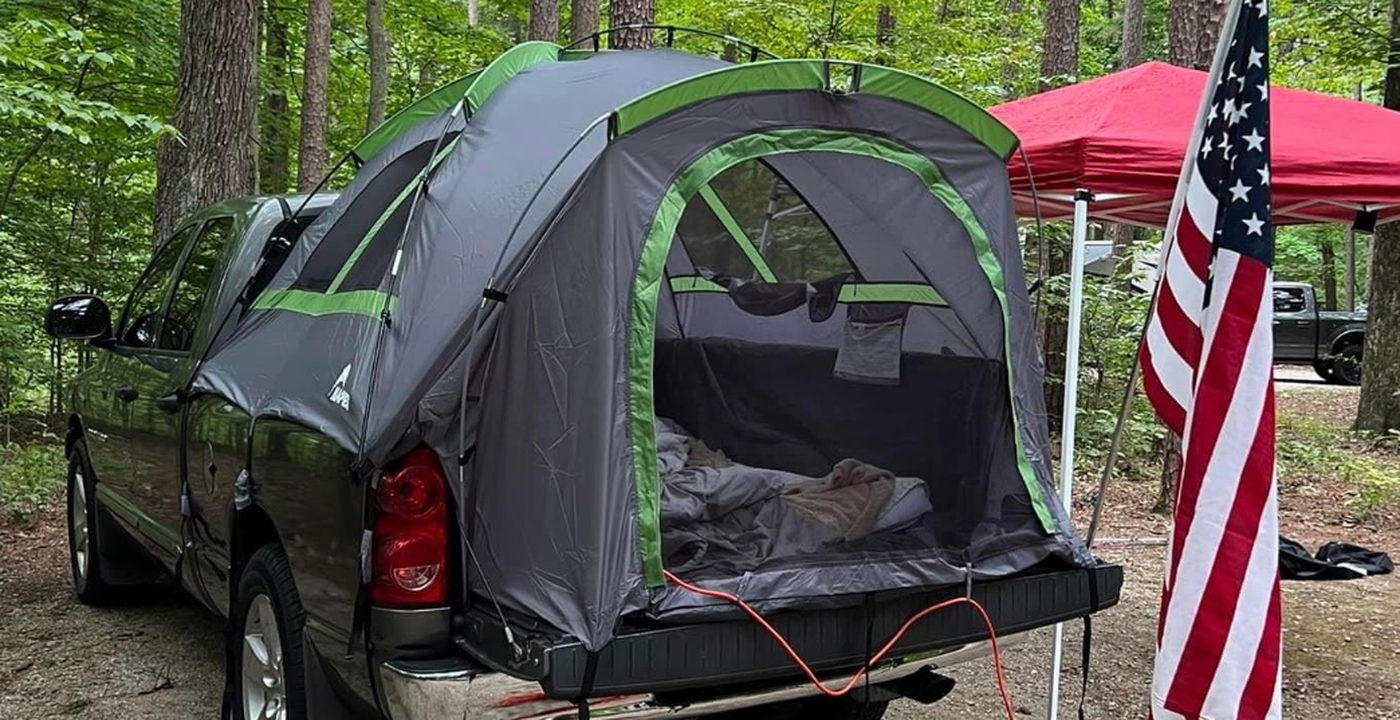
Truck camping represents a unique middle ground between traditional tent camping and the luxury of a full-sized RV. By utilizing the bed of a pickup truck as your primary living and sleeping quarters, you gain the mobility to reach remote locations while remaining elevated from the ground and protected from the elements. Whether you are using a simple camper shell or a sophisticated slide-in unit, a successful truck camping experience relies on clever organization and a prioritized gear list. The following guide outlines the essential components of a functional setup, focusing on comfort, utility, and self-sufficiency.
Sleeping Platforms and Bedding Systems
The foundation of any truck camping setup is the sleeping arrangement. Because truck beds are typically made of rigid metal and are interrupted by wheel wells, creating a flat, cushioned surface is the first priority. Many campers opt for a built-in wooden platform, often constructed from plywood and 2x4s. This platform provides a level sleeping area while creating deep storage cubbies underneath for heavy gear like tools and recovery equipment. This "lofting" technique is essential for keeping the sleeping surface clutter-free.
For cushioning, the choice often depends on the available vertical space. High-density foam pads offer great support and don't leak, but specialized inflatable mattresses designed to fit around truck wheel wells can save space when deflated. Unlike tent camping, where weight is a major factor, truck camping allows you to use standard household bedding. A heavy down comforter, high-thread-count sheets, and full-sized pillows can make a night in the backcountry feel like a night in a luxury hotel. Proper insulation beneath the mattress is also key, as the truck's metal bed can act as a heat sink, drawing warmth away from your body on cold nights.
- Rei: How to Choose a Sleeping Pad
- Luno: A Complete Guide to Truck Bed Camping
- Outdoor Sleeping and Bedding
Shelter and Environmental Protection
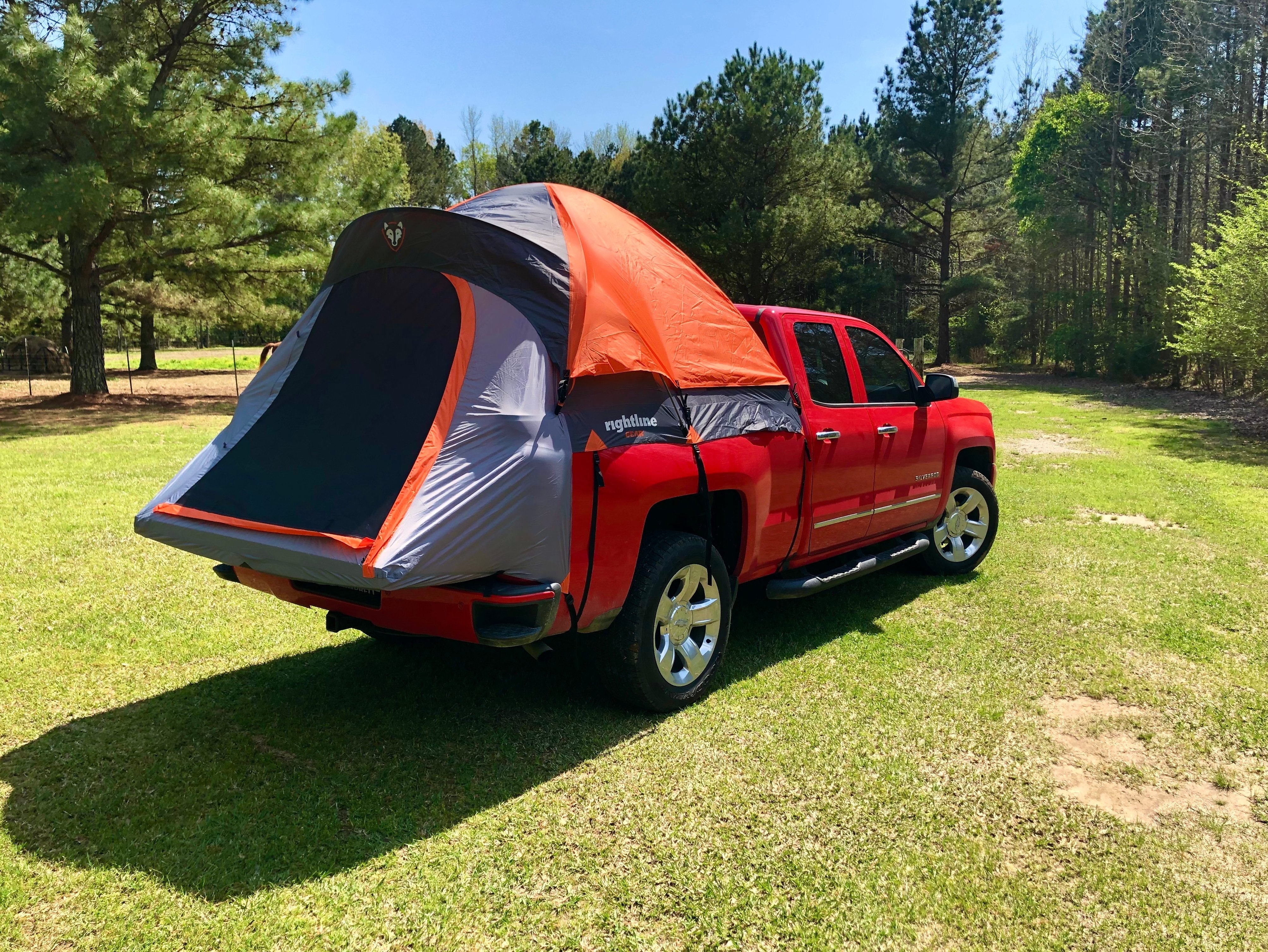
While some campers prefer sleeping in an open bed under the stars, most truck setups involve some form of overhead protection. A hard-sided topper (camper shell) offers the best security and weatherproofing, effectively turning the truck bed into a hard-walled cabin. Alternatively, truck bed tents provide a more affordable, lightweight option that can be packed away when not in use. For those camping in warmer climates, incorporating high-quality window screens or "tent-style" mesh inserts for the tailgate is essential to allow for cross-ventilation while keeping insects out of the sleeping area.
- NPS: Backcountry Camping Regulations
- Camping Guidelines
- Bureau of Land Management: Camping on Public Lands
- David Suzuki Foundation: How to camp responsibly and sustainably
Kitchen Setups and Food Storage
Efficient cooking in a truck environment requires a modular kitchen that can be easily accessed from the tailgate. A dual-burner propane stove is a staple for most setups, often paired with a sturdy folding table to expand the workspace. Food storage is particularly critical in truck camping; while traditional ice chests are common, many long-term travelers invest in 12-volt portable refrigerators that run off the truck's auxiliary power. Regardless of the cooling method, it is vital to use animal-proof containers and follow "Leave No Trace" principles by properly disposing of gray water and food scraps.
- Leave No Trace: The Seven Principles
- FDA: Food Safety for the Great Outdoors
- U.S. Fish & Wildlife Service: Bear Safety
Power Management and Lighting
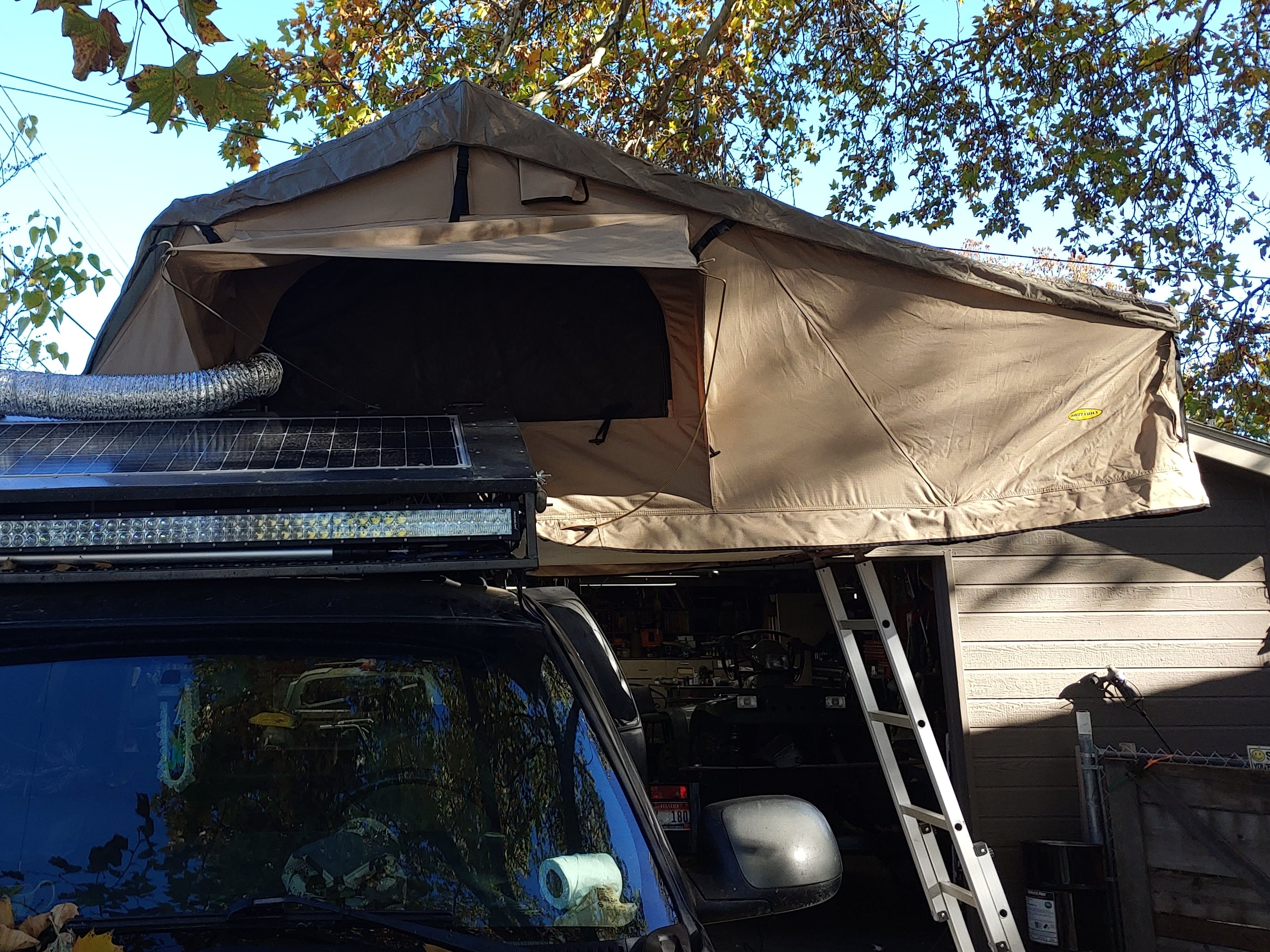
Modern truck camping often involves electronic devices, from GPS units to smartphones and lighting. To avoid draining the truck's starter battery, many campers utilize portable power stations or dual-battery systems. Solar panels mounted on the camper shell's roof can provide a consistent trickle charge to these units during the day. For lighting, LED strips mounted inside the topper provide excellent ambient light with minimal power draw, while magnetic-base rechargeable lanterns are useful for illuminating the area around the tailgate during nighttime food preparation.
- Energy.gov: Off-Grid or Stand-Alone Renewable Energy Systems
- Acamps: Is Solar Power Right for Camp?
- Irena: Off-grid for Energy Access
Organization and Storage Solutions
The most common challenge in truck camping is the limited footprint. Success depends on "vertical" storage and utilizing every square inch of the truck bed. Modular plastic bins are popular for categorizing gear into "kitchen," "tools," and "clothing" sections. Many experienced campers install "molle" panels on the interior walls of the camper shell or use hanging mesh organizers to keep smaller items, such as flashlights, lighters, and multi-tools, within easy reach. The goal is to ensure you never have to move more than 2 items to reach what you need.
- Indie Traveller: Packing Like a Pro and Traveling Light
- Road less traveled: Truck Camper and Small RV Storage Tips!
Developing a Personalized Setup
The transition from a standard pickup to a functional mobile basecamp is an iterative process. Every trip reveals new ways to optimize space and improve comfort. By starting with the basics-a comfortable bed, a reliable stove, and a weather-tight shell-you can begin exploring the backcountry with confidence. As you spend more time in the truck, you will naturally refine your gear list to suit your specific style of travel, whether that involves weekend fishing trips or multi-month expeditions through remote national forests.