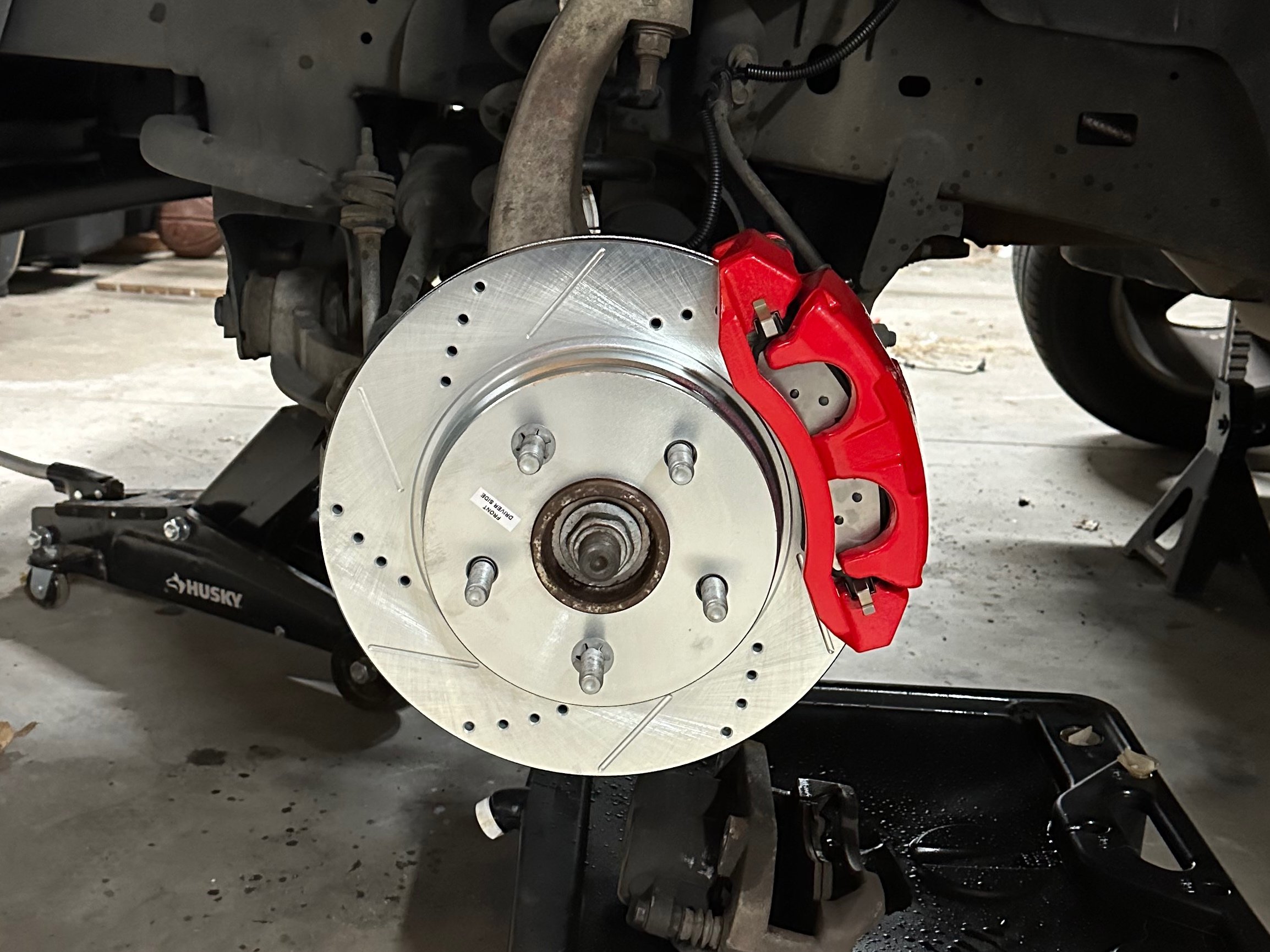
Brake pad bedding is a 30-minute procedure that protects your investment and ensures your truck stops the way it was designed to. Here's how to do it right on the street or at the track.
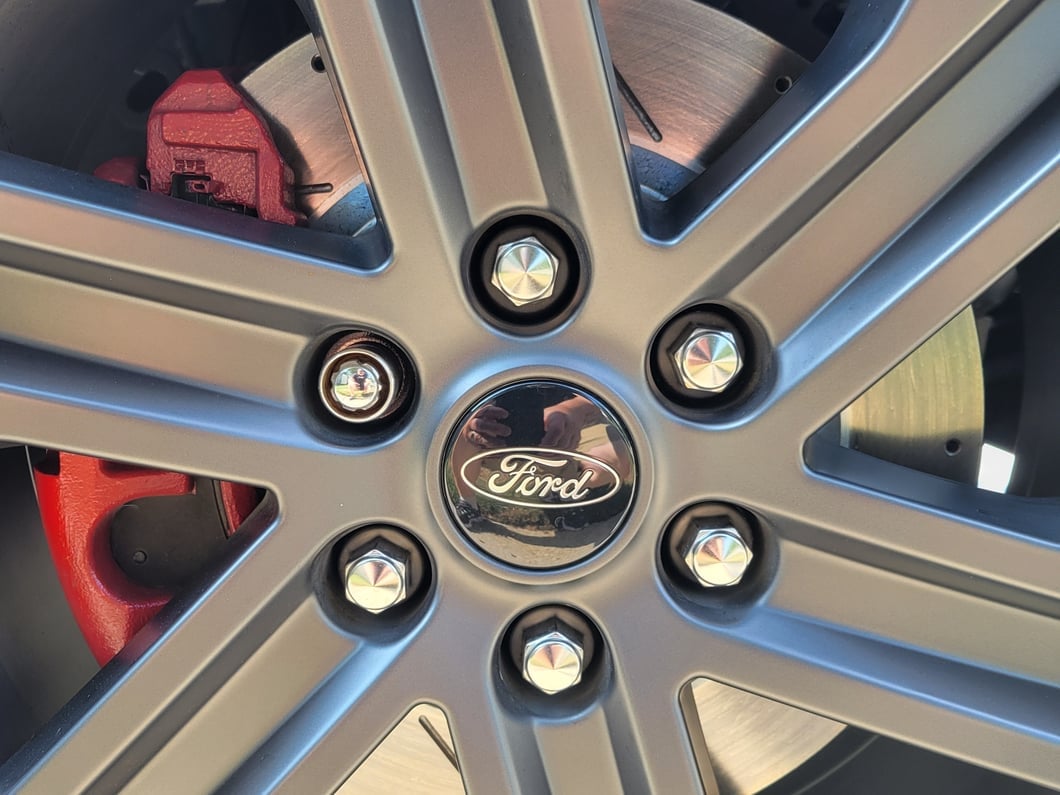
If you just bolted on a fresh set of brake pads, there's one more step before you hit the road with full confidence: bedding them in. This guide walks you through the complete brake pad bedding process for trucks — including separate procedures for street and track use, how different pad compounds affect the break-in, the most common mistakes that cost you performance, and how to match pads with rotors for the best results. By the end, you'll know exactly how to bed in your pads the right way and what to watch for once you're done.
What Is Brake Pad Bedding?
Brake pad bedding is the controlled break-in process that deposits an even transfer layer of pad material onto the rotor face, creating the friction surface your brakes rely on for strong, consistent stopping power. When you bed in brake pads, you're curing the pad compound and conditioning the rotor so they work together the way they were designed to. Without this step, your brake system is essentially starting from scratch every time you hit the pedal.
Here's the science in plain terms: modern brake pads aren't just rubber pressing against metal. They're engineered friction compounds — ceramic, semi-metallic, or organic — designed to transfer a thin, even coating onto the rotor surface. This transfer layer is what actually does the braking. When you apply the brakes under controlled conditions during bedding, you're building that layer gradually and evenly. The result is a smooth, uniform contact surface that gives you predictable pedal feel and maximum stopping force.
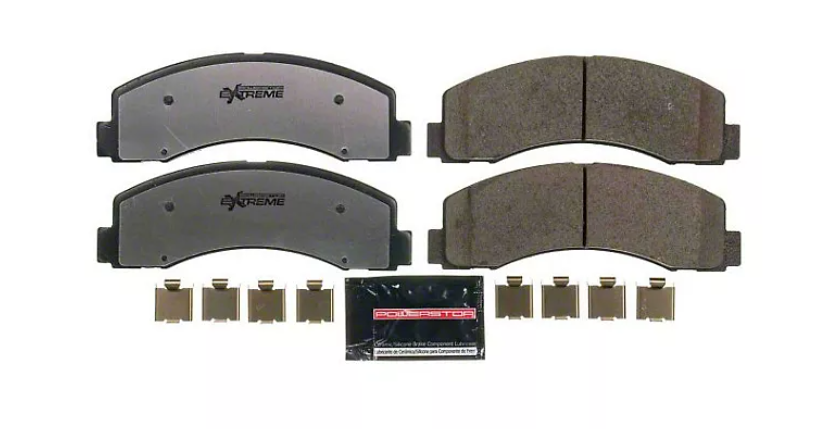
Skip the bedding process and you'll get random, uneven deposits on your rotors. Those hot spots create vibration, noise, and inconsistent braking — the exact opposite of what you paid for with quality pads. A proper bed-in procedure only takes about 30 minutes of your time and protects your investment for the life of the pads.
Why Bedding Matters for Trucks
Bedding matters on any vehicle, but it's especially critical on trucks. Your F-150, Silverado, or Ram weighs significantly more than a sedan, and that extra mass means your brakes are working harder at every stop. Add a loaded bed or a trailer, and you're asking your braking system to manage serious kinetic energy. Properly bedded pads handle that workload — poorly bedded pads don't.
Every set of new brake pads needs to be bedded in, whether you're running them on a daily driver or a tow rig. It's not optional maintenance — it's a required step to get the performance you paid for. Here's what the difference looks like:
- Properly bedded: Even transfer layer, consistent pedal feel, full rated stopping power, extended pad and rotor life, quiet operation.
- Skipped bedding: Uneven deposits, vibration and pulsation, glazed pads, increased stopping distances, risk of premature rotor replacement.
Trucks also tend to run larger-diameter rotors than passenger cars, which means more surface area to coat. That's a good thing for heat dissipation, but it also means the bedding process needs to be thorough. You need enough controlled stops to build the transfer layer across the entire rotor face — not just the high spots. If you're running a truck that tows, we'd recommend also reviewing our guide on brakes for towing to make sure your pad and rotor combination is up to the task before you start bedding.
How to Bed in Brake Pads: Street Procedure
This is the standard bedding procedure for street-driven trucks. It works for ceramic, semi-metallic, and most organic pads on everyday driving setups. The whole process takes roughly 20 to 30 minutes of driving, plus a cool-down period afterward.
What is the 30-30-30 method? You may have heard the "30-30-30" rule — 30 gentle stops, 30 moderate stops, 30 aggressive stops. That's an oversimplification. Most brake pad manufacturers recommend a two-phase approach with far fewer stops. The procedure below follows the method recommended by major pad brands for street applications. How long does bedding take? Plan for about 20 to 30 minutes of active driving and at least one hour of cool-down time.
Follow these steps:
- Find a safe, open road. You need a stretch where you can accelerate and brake repeatedly without traffic. An empty industrial road, a rural highway, or a low-traffic subdivision loop all work. Avoid steep hills and intersections.
- Phase 1 — Moderate stops. Accelerate to 35 mph and apply moderate brake pressure to slow down to approximately 5 mph. Don't come to a complete stop. Repeat this 5 to 6 times with brief acceleration between each stop to allow some airflow over the rotors.
- Phase 2 — Aggressive stops. Accelerate to 45-50 mph and apply firm brake pressure to slow down to 5-10 mph. Again, don't come to a full stop. Repeat this 4 to 5 times. You may notice a slight smell or light smoke — that's normal. It's the resins in the pad compound curing under heat.
- Cool-down drive. Drive at moderate speed for 5 to 10 minutes with minimal braking. Use engine braking where possible. This lets the rotors cool gradually and evenly, which prevents thermal shock and helps the transfer layer set properly.
- Park and cool. Park your truck and let the brakes cool for at least one hour. Leave the parking brake off — engaging it presses hot pads against hot rotors, which can imprint pad material unevenly and create a vibration you'll feel every time you stop.
Pro Tip: It's important to avoid coming to a complete stop during this stage as it's possible to melt brake pads against hot rotors. Of course, should a deer, pedestrian, or Sasquatch run onto the road, feel free to mash the brake pedal. Safety first!
Once the brakes have fully cooled, take a short test drive with a few normal stops. You should feel smooth, progressive braking with no vibration or pulsation. If you notice any shudder, you may need to repeat the bedding cycle — sometimes it takes two rounds to get a complete transfer layer, especially on larger truck rotors.
Track Bedding Procedure
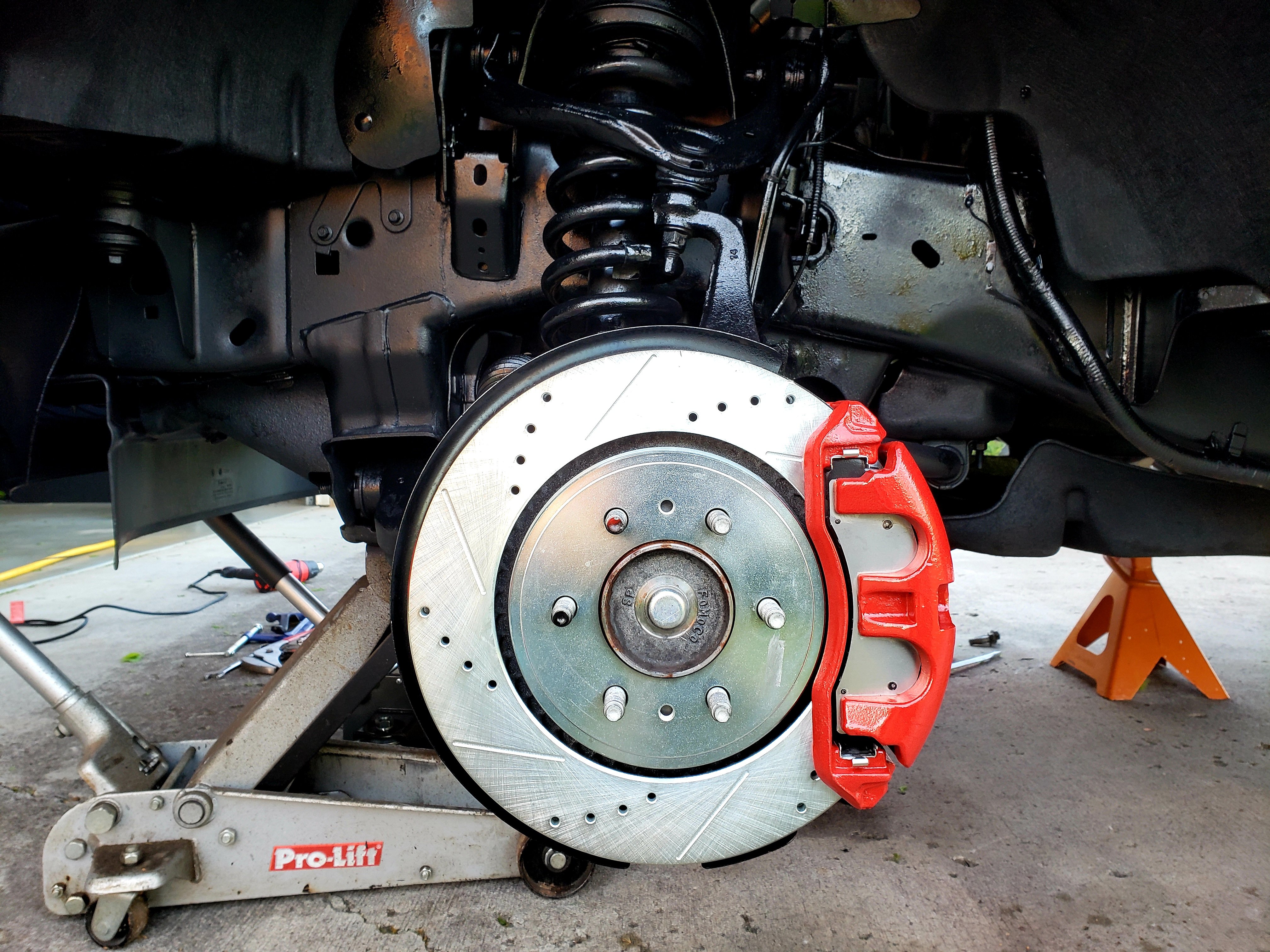
If you're running track-oriented or high-performance pads, the bedding procedure is more aggressive. Track pads are formulated to operate at higher temperatures, so they need more heat to activate the friction compounds and build a proper transfer layer.
The general approach is the same — controlled acceleration, hard braking, no complete stops — but the speeds and pressures go up:
- Phase 1: Accelerate to 60 mph and brake hard to approximately 10 mph. Repeat 8 to 10 times.
- Phase 2: Accelerate to 60 mph again and brake as aggressively as possible to 10 mph without locking the wheels or engaging ABS. Repeat 4 to 5 times.
- Cool-down: Drive at moderate speed for 10 to 15 minutes with minimal braking. Then park with the parking brake off and allow a full cool-down of at least one hour.
Track bedding generates significantly more heat than street bedding. Don't be surprised if you see smoke or smell the pads curing — that's expected with high-performance compounds. The key is to follow your specific pad manufacturer's instructions, because every track compound has its own ideal temperature window. If you're also installing brake rotors at the same time, make sure the rotors are properly torqued and have been checked for runout before you start the bedding process.
One more consideration: track bedding should ideally be done in a controlled environment like an empty parking lot or a track access road — not on public streets. The speeds and braking forces involved are well beyond normal driving conditions.
Bedding Different Pad Compounds
Not all truck brake pads bed the same way. The compound directly affects how much heat you need, how many stops you should make, and how aggressive you can be during the break-in period.
- Ceramic Pads: The most common choice for daily-driven trucks. Ceramic compounds produce less dust, run quieter, and respond well to the standard street bedding procedure outlined above. They're forgiving during the bed-in process and build a clean transfer layer at moderate temperatures.
- Semi-Metallic Pads: Built for higher heat tolerance and stronger bite under load, making them the go-to for towing and heavy-duty use. Semi-metallic pads need a more aggressive bedding procedure with higher speeds and firmer pressure to generate enough heat. Expect a longer break-in period compared to ceramics, but you'll get more consistent stopping power when hauling.
- Organic Pads: The gentlest compound, organic pads are the most temperature-sensitive of the three. Bed them with lighter pressure at lower speeds — push too hard and you risk glazing the pad surface before the transfer layer sets. They're typically found on stock applications and lighter-duty setups.
Regardless of compound, always check the pad manufacturer's specific bedding instructions. Some brands include a break-in card in the box with exact speeds and stop counts tailored to their formulation.
Common Brake Bedding Mistakes
What happens if you don't bed in brake pads? You'll likely experience uneven pad deposits on the rotor surface, which leads to vibration (often mistaken for warped rotors), inconsistent pedal feel, increased noise, and shorter pad life. In severe cases, glazed pads will dramatically increase your stopping distance — a serious safety concern on a heavy truck.
Here are the five most common bedding mistakes and how to avoid them:
- Coming to a complete stop during bedding. This is the most common error. When you hold a hot pad stationary against a hot rotor, it imprints a thick, uneven deposit that creates a vibration you'll feel at every stop. Always keep rolling until you've completed the cool-down drive.
- Skipping the cool-down period. The transfer layer needs time to cure and harden. Driving aggressively or braking hard immediately after bedding disrupts the layer before it sets. Give your brakes a full hour of cool-down time.
- Holding the brake pedal while parked. Parking with the brake pedal depressed or engaging the parking brake while the rotors are still hot presses pad material into one spot, causing the same uneven-deposit problem as a full stop during bedding.
- Too little brake pressure during the procedure. Light, tentative stops don't generate enough heat to activate the pad compound and build the transfer layer. You need firm, deliberate braking — especially in Phase 2 — to get the job done.
- Skipping bedding entirely. Some truck owners assume new pads are ready to go out of the box. They're not. Even high-end pads need to be bedded in to deliver their advertised performance. Skipping this step is the most expensive mistake on the list, because it often leads to premature rotor replacement.
For more on separating brake fact from fiction, check out our article on common brake myths.
How to Tell Your Brakes Are Properly Bedded
How do you know if your brakes are bedded in? After the cool-down period, take a short drive with a few normal-speed stops and check for these signs:
- Smooth, progressive stops: The pedal should feel firm and linear — steady pressure produces steady deceleration with no grabbing or pulsation.
- No vibration: A properly bedded rotor has an even transfer layer, so you shouldn't feel any shudder through the pedal or steering wheel.
- Minimal noise: Bedded pads settle into quiet operation. If you're hearing squealing or grinding after a full bedding cycle, something else may be wrong.
- Even gray coating on rotors: Pull a wheel off and inspect the rotor face. A properly bedded rotor will have a uniform, light gray appearance — no shiny spots, dark patches, or visible streaks.
- Responsive pedal feel: The brake pedal should engage confidently without needing to push it to the floor. If it feels spongy or inconsistent, air in the lines or incomplete bedding may be the cause.
If your brakes are squealing after bedding, it doesn't necessarily mean the process failed. Some noise during the first few hundred miles is normal as the pads fully seat. For persistent squealing, our guide on new brakes squeaking breaks down what's normal and what needs attention.
Recommended Brake Pad and Rotor Pairings
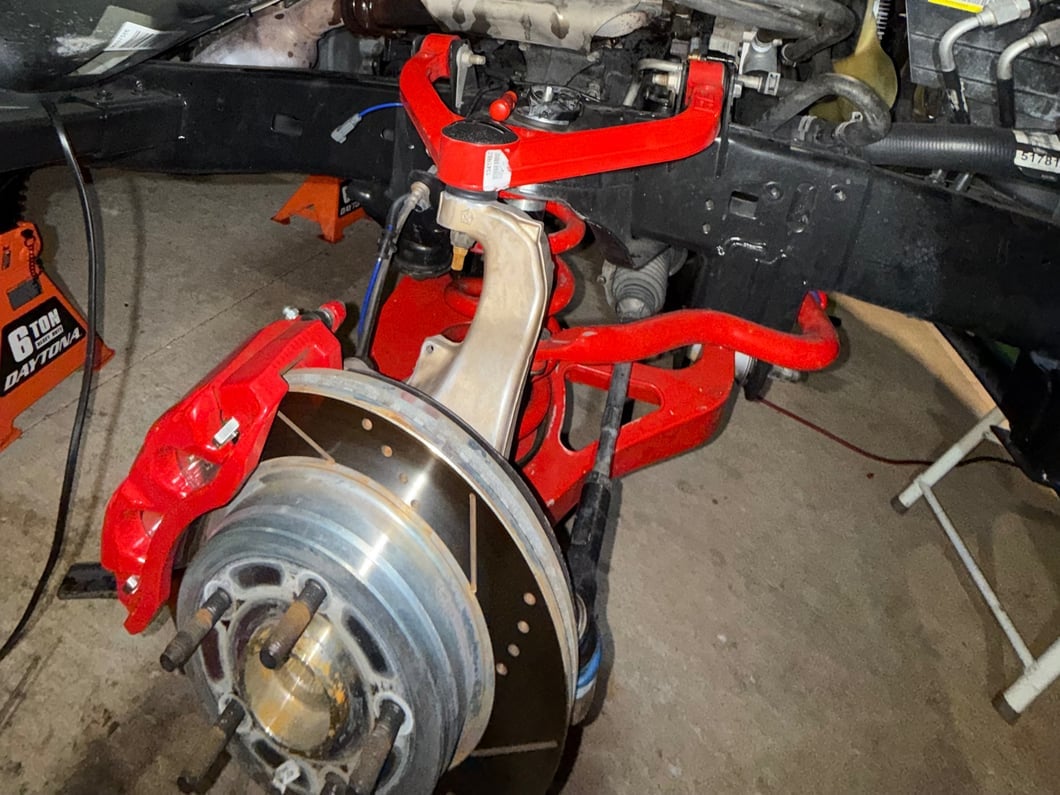
Getting the best results from the bedding process starts with running the right pad and rotor combination for how you use your truck. Mismatched pairings can make bedding harder and reduce long-term performance.
- Daily Driving: Ceramic pads paired with OE-replacement or coated rotors. This combination runs clean, beds easily, and delivers quiet, consistent stops for commuting and errands.
- Towing and Hauling: Semi-metallic pads paired with drilled and slotted rotors. The slots help clear gases and debris generated under heavy braking, while the semi-metallic compound handles the sustained heat that comes with hauling loads.
- Performance and Track Use: High-performance semi-metallic or racing-compound pads paired with slotted rotors. This setup maximizes heat dissipation and aggressive bite, but expect more noise and dust in exchange for stopping power.
- All-Around Upgrade: Carbon-fiber ceramic pads paired with drilled and slotted rotors. This is the sweet spot for truck owners who want better-than-stock performance for a mix of towing, daily driving, and occasional spirited driving.
We carry complete brake rotor and pad kits matched by vehicle so you know the fit and compound are right for your setup. If you're running a Ram, check out our dedicated Ram brake pad and rotor kits page for the most popular pairings.
When to Re-Bed Your Brakes
Bedding isn't a one-and-done process. There are several situations where you'll need to re-bed your brakes to restore that even transfer layer and get back to optimal performance:
- After replacing pads or rotors: Any time you install new friction material or a new rotor surface, the bedding process starts over. Even if you're only replacing pads on existing rotors, re-bed them.
- After resurfacing rotors: Resurfacing (also called turning) removes the existing transfer layer. You'll need to rebuild it with a fresh bedding cycle.
- After extended storage: If your truck has been sitting for several months, surface oxidation on the rotors can disrupt the transfer layer. A quick re-bed after the first drive usually clears it up.
- If vibration returns: Pulsation or shudder during braking often means the transfer layer has become uneven. A re-bed can sometimes fix it without needing new parts.
- After heavy towing or mountain driving: Extreme heat events can damage or strip the transfer layer. If your brakes felt different after a long downhill descent, a re-bed is a good idea.
For a step-by-step walkthrough of the full brake replacement process, check out our guide on replacing your brakes.
Related Articles
A properly bedded pad delivers full rated stopping power from the first hundred miles and can significantly extend rotor life — especially when you're towing or hauling a loaded bed. We carry a full selection of brake pads, rotors, and complete kits matched to your exact truck. Now you have everything you need to bed in your pads correctly the first time.
Frequently Asked Questions About Bedding Brake Pads
These are the most common questions truck owners ask about the brake pad bedding process, answered directly so you can get it right the first time.
What Is the 30 30 30 Method for Brake Bedding?
The "30-30-30" method refers to performing 30 gentle stops, 30 moderate stops, and 30 aggressive stops to bed in brake pads. Most brake manufacturers recommend a simpler two-phase approach instead: 5-6 moderate stops from 35 mph followed by 4-5 firm stops from 45-50 mph, then a cool-down period.
How Long Does It Take for Brake Pads to Bed In?
The active bedding process takes about 20 to 30 minutes of driving. After completing the stop cycles, you should park the vehicle and allow the brakes to fully cool for at least one hour. The entire process from start to finish is roughly 90 minutes including cool-down time.
Do I Need to Bed in My New Brake Pads?
Yes. Every set of new brake pads needs to be bedded in regardless of brand, compound, or vehicle type. Bedding transfers an even layer of pad material onto the rotor face, which is essential for strong stopping power, quiet operation, and long pad life. Skipping bedding leads to uneven deposits and reduced performance.
How Do You Know If Your Brakes Are Bedded In?
Properly bedded brakes deliver smooth, progressive stops with no vibration or pulsation through the pedal. The rotors will have an even, light gray coating when inspected visually. If you still feel shudder or hear squealing after the bedding procedure, you may need to repeat the process.
What Happens If You Don't Bed in Brake Pads?
Skipping the bedding process results in random, uneven pad material deposits on the rotor surface. This causes brake vibration, inconsistent pedal feel, increased noise, and longer stopping distances. In severe cases, uneven deposits can lead to premature rotor warping that requires expensive replacement.
Can You Bed in Brake Pads in the Rain?
It's best to bed brakes on a dry road surface. Wet conditions reduce friction between the tire and road, making it harder to achieve the controlled stops the bedding procedure requires. Water can also cool the rotors unevenly during the process, preventing a consistent transfer layer from forming.
Do You Need to Bed in Brake Pads If You Only Replaced Pads and Not Rotors?
Yes. Even if you're reusing your existing rotors, new pads need to be bedded in. The new pad compound must create its own transfer layer on the rotor surface. The existing layer from your old pads is a different material and won't bond properly with the new compound without a fresh bedding cycle.