America’s highway system grew from Indigenous trails, colonial roads, and early federal projects into a nationwide network shaped by the Good Roads Movement, the U.S. Numbered Highway System, and the Interstate Highway System. Today, these roads continue to support travel, freight movement, suburban growth, and ongoing infrastructure upgrades across the country.
 FREE 1 to 3-Day Delivery on Orders $149+ Details
The History of American Highway Systems

AT Staff
/ Jul 13 2026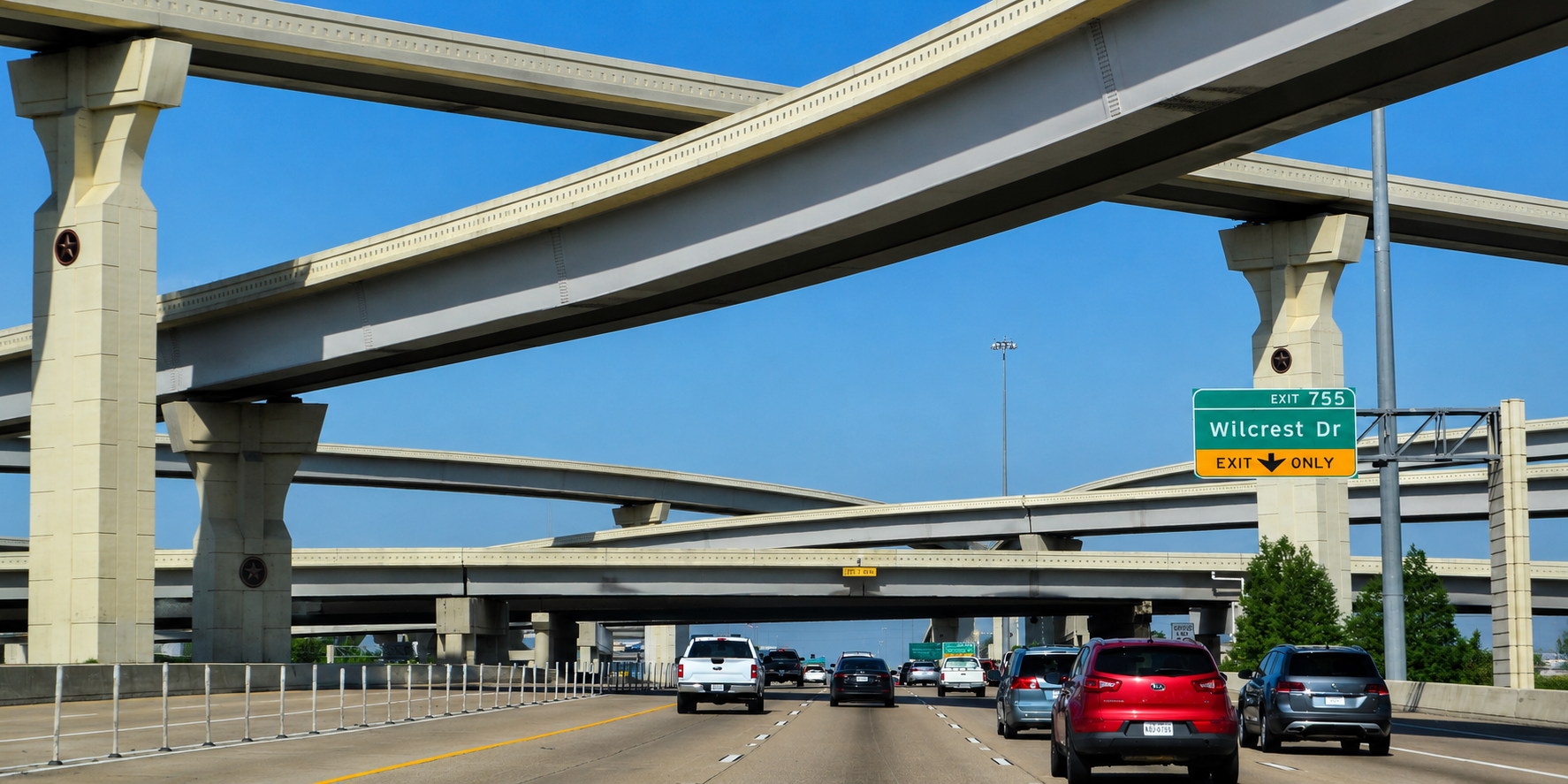
America's highway system didn't appear overnight. Long before interstate highways connected cities from coast to coast, travelers relied on dirt trails, wagon roads, and rough local routes that could become nearly impassable in bad weather. Over roughly two centuries, new technologies, federal investment, and growing transportation needs transformed those early roads into the nationwide highway network millions of people use today.
Early roads and the pre-automobile era
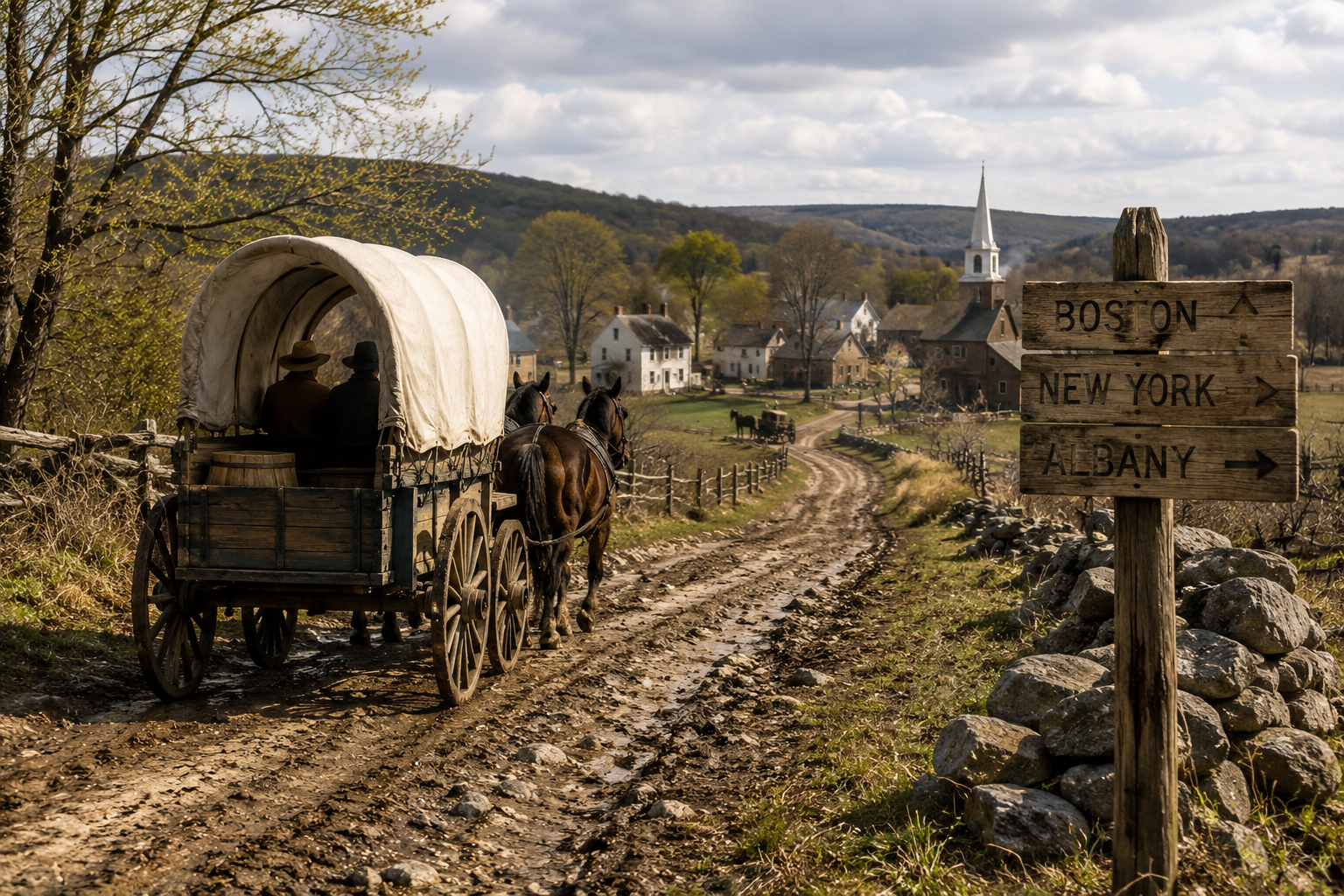
Before paved roads connected the country, travel looked very different. Indigenous peoples developed extensive trail networks that linked villages, hunting grounds, and trading routes across North America. European settlers later expanded many of these pathways into colonial roads used to carry mail, supplies, and travelers between growing communities.
Even with these routes in place, traveling was often slow and unpredictable. During the 1700s and early 1800s, most coach routes were unpaved and maintained by local communities, so heavy rain, snow, or flooding could quickly make them difficult to use.
- Many colonial roads followed existing Indigenous trails.
- The National Road, authorized in 1806 and opened in sections beginning in 1811, became the first major federally funded highway.
- Travelers usually made the journey by horseback, stagecoach, or wagon.
The Good Roads Movement
By the late nineteenth century, calls for better roads were growing louder. Bicyclists became some of the strongest advocates for road improvements, and farmers soon joined the effort because better transportation made it easier to move crops and livestock to nearby markets.
The movement gained even more momentum as automobiles became increasingly common in the early 1900s. Private organizations promoted named auto trails that connected cities across the country, giving drivers marked routes years before the introduction of the numbered U.S. highway system.
- The League of American Wheelmen helped promote road improvements.
- The Lincoln Highway, dedicated in 1913, became the first transcontinental automobile route in the United States.
- Improved roads made long-distance travel more practical and encouraged tourism. Families increasingly took road trips to national parks and campgrounds, often bringing camping gear for overnight stays. As travel distances grew, drivers also placed greater value on comfort during extended journeys.
Federal involvement begins
As more Americans began driving, local roads were no longer enough to meet the country's growing transportation needs. The federal government responded by taking a larger role in road construction. The Federal Aid Road Act of 1916 established a partnership between federal and state governments to improve public roads, and the Federal Highway Act of 1921 directed funding toward a connected network of primary highways.
Those investments laid the groundwork for another major change in 1926: the creation of the U.S. Numbered Highway System. Instead of following named auto trails that varied from region to region, drivers could now navigate using standardized route numbers that stretched across multiple states.
- Federal funding helped states improve road quality and expand highway networks.
- Standardized highway numbers made cross-country travel easier to navigate.
- U.S. Route 66 became one of the country's best-known highways after opening in 1926.
As the highway network expanded, World War II demonstrated the importance of efficient long-distance transportation. The Federal-Aid Highway Act of 1944 authorized the designation of a National System of Interstate Highways, although funding for large-scale construction would not arrive until the following decade.
The Interstate Highway System
Following World War II, national leaders sought a faster and more reliable highway network. President Dwight D. Eisenhower supported the idea after participating in the Army's difficult 1919 Transcontinental Motor Convoy and later observing Germany's autobahns during World War II. Both experiences demonstrated the value of a connected highway network for civilian transportation and national defense.
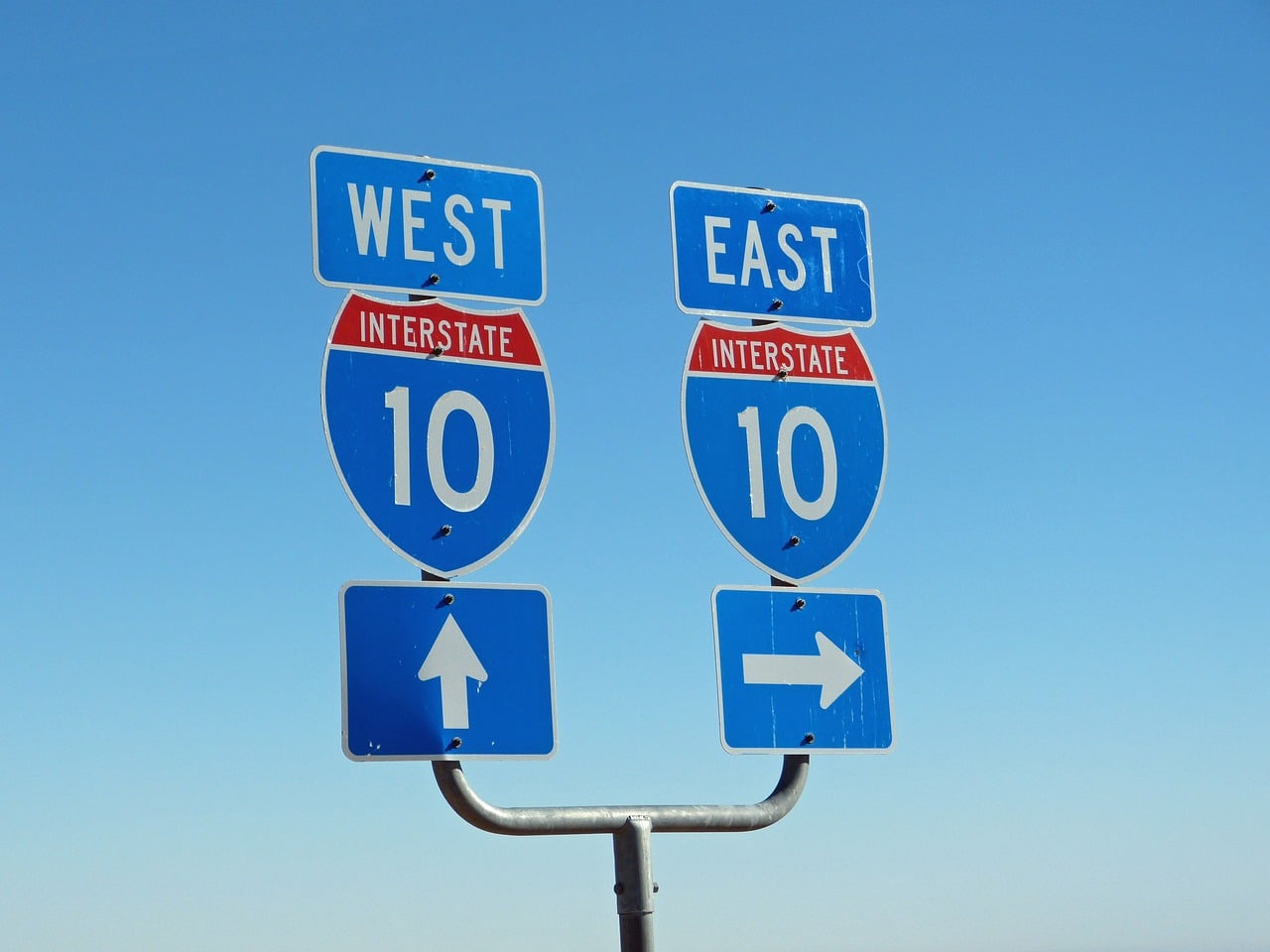
The Federal-Aid Highway Act of 1956 launched the Interstate Highway System, the largest public works project in American history at the time. Thousands of miles of controlled-access highways were built over the following decades, connecting major cities and improving long-distance travel.
Reasons for building the interstate system
- To support national defense while improving civilian travel and freight transportation.
- To support economic growth through faster freight transportation.
- To increase road safety by reducing intersections and railroad crossings.
- To connect states through a consistent highway network.
Social and economic impact
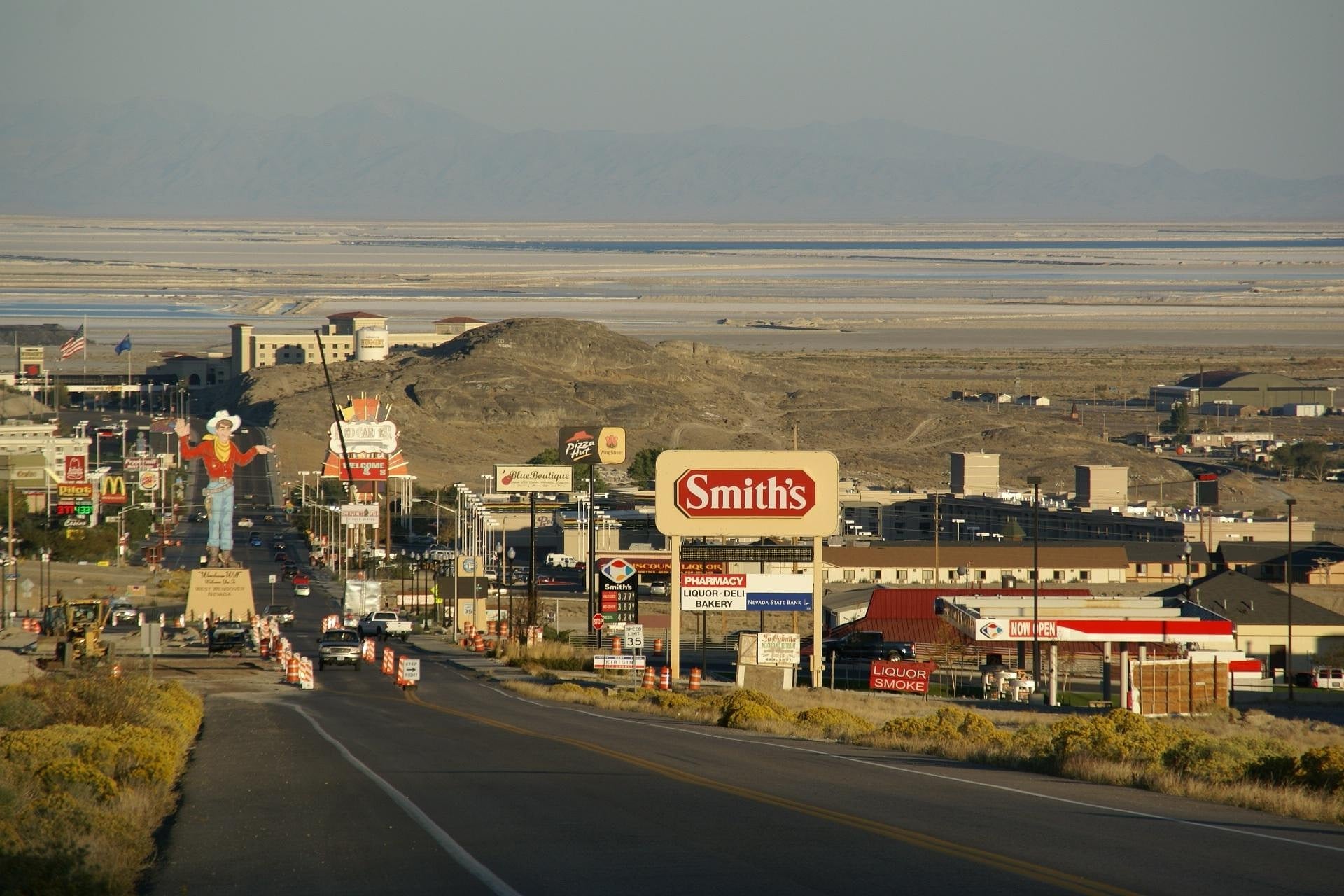
The interstate system changed where Americans lived, worked, and traveled. Many families moved to growing suburbs while businesses gained faster access to regional and national markets. Trucking also became a primary method of moving goods throughout the country. Pickup trucks equipped with cargo beds helped transport tools, equipment, and materials for both commercial and personal use.
The expansion of highways also created challenges. Construction projects sometimes displaced neighborhoods, particularly in urban areas, and many communities experienced increased traffic, noise, and air pollution.
- Suburban communities expanded rapidly after the 1950s.
- Truck transportation became a key part of national supply chains.
- Some highway projects divided established neighborhoods.
- Passenger rail use declined as automobile travel increased.
Modern challenges and the future
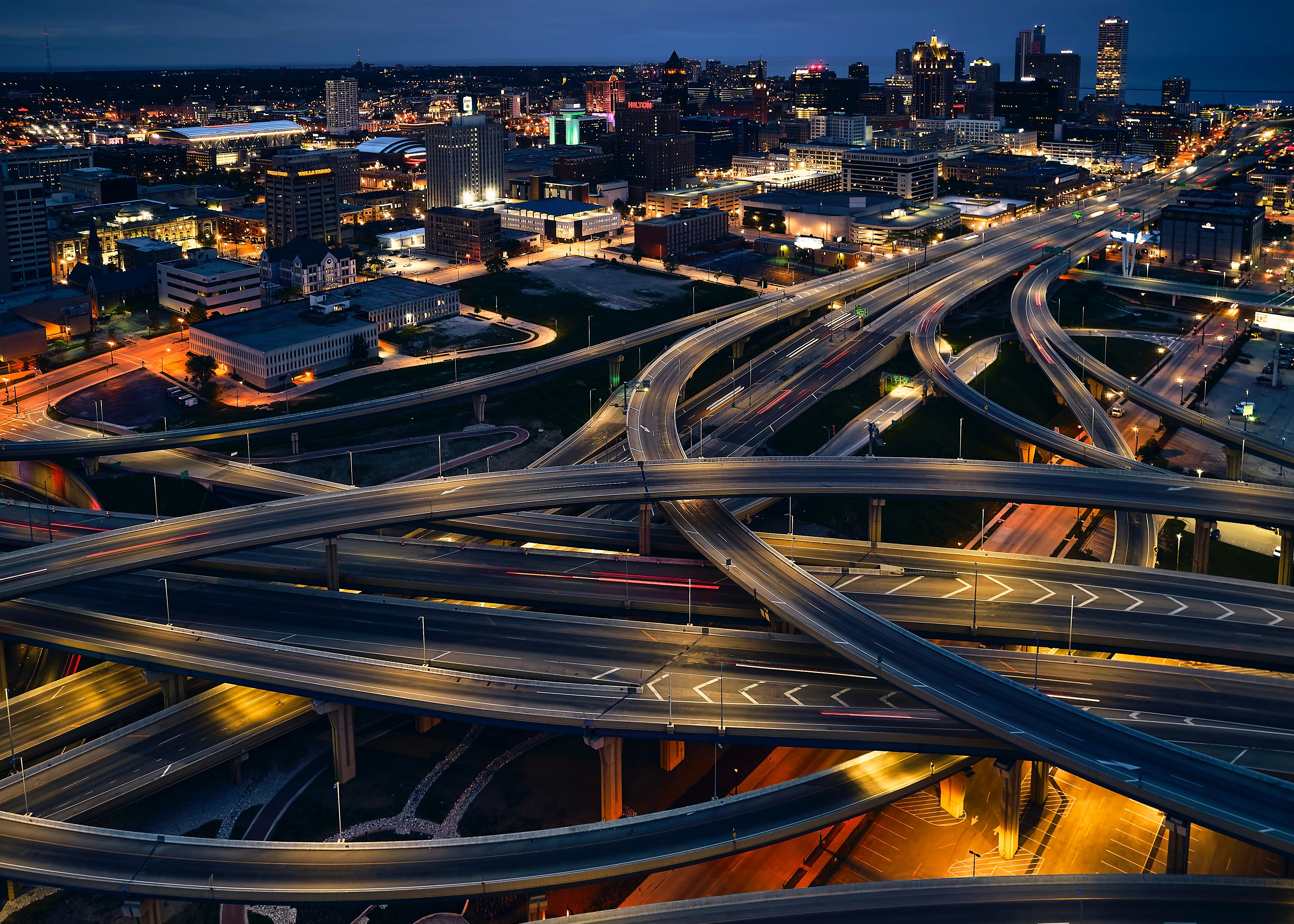
Many highways built during the mid-twentieth century now require significant maintenance. Bridges, pavement, and interchanges need regular repairs as traffic volumes continue to grow.
Transportation planners are also considering how highways fit into future mobility goals. Current discussions include expanding electric vehicle charging infrastructure, improving traffic management technology, and enhancing vehicle safety through better roadway design and lighting, repairing aging roads, and balancing highway investments with public transportation.
Current priorities
- Repair aging bridges and highways.
- Improve traffic safety.
- Expand electric vehicle charging access.
- Use smart transportation technology to reduce congestion.
- Strengthen infrastructure against severe weather.
Conclusion
Every mile of highway has a story behind it. Some roads began as Indigenous trails, others followed early wagon routes, and many were built during the country's largest public infrastructure projects. Understanding that history offers a new perspective on the highways millions of Americans use every day.
Additional Resources
- Federal Highway Administration Highway History
- National Park Service: Route 66
- Transportation Through U.S. History: A Primary Source Set
- Records of the Federal Highway Administration
- National Interstate and Defense Highways Act (1956)
- Eisenhower and the birth of the Interstate Highway System
- The National Highway Act
- A Legislative History of the Cumberland Road
- A Nation of Highways
- Stanford: U.S. Route 50 Was the Best Way to the Pacific
Frequently Asked Questions
What is the history of the American highway system?
The American highway system developed over centuries, starting with Indigenous trails and early wagon roads, then expanding through federal road programs, auto trails, the U.S. Numbered Highway System, and the Interstate Highway System.
What was the first major federally funded highway in the United States?
The National Road, authorized in 1806 and opened in sections beginning in 1811, is widely recognized as the first major federally funded highway in the United States.
What was the Good Roads Movement?
The Good Roads Movement was a campaign led by bicyclists, farmers, and motorists who pushed for better road construction and maintenance in the late 19th and early 20th centuries.
Why was the Interstate Highway System created?
The Interstate Highway System was created to improve national defense, support freight transportation, increase road safety, and connect states with a consistent high-speed highway network.
How did highways change life in America?
Highways made long-distance travel easier, helped suburban areas grow, improved freight movement, and changed how Americans lived, worked, and vacationed. They also created new challenges, including neighborhood displacement, congestion, and environmental concerns.