Whether you need rugged canvas for the jobsite or waterproof neoprene for weekend adventures, this guide covers the best truck seat covers by material, brand, and use case — so you can pick the right set for your rig.
Your truck's seats take a beating. Muddy boots, wet dogs, spilled coffee, UV damage through the windshield — it all adds up. Whether you're driving a brand-new F-150 or a work-truck Silverado with 200,000 miles on the odometer, the best truck seat covers protect your interior, make cleanup easier, and can even improve comfort on long hauls.
But picking the right seat covers isn't as simple as grabbing the first set you find. Material, fitment type, and brand all matter. A work-truck driver hauling lumber needs something different than a weekend wheeler who wants to keep factory leather pristine. In this guide, we'll break down the most popular seat cover materials, compare the top brands we carry, and help you match the right covers to your specific truck and driving style.
Why Truck Owners Install Seat Covers
Seat covers are one of the most practical interior upgrades you can make for your truck. Truck owners install them for a few key reasons:
- Protection from Stains and Spills: Coffee, food, grease, and mud are daily realities for truck owners. A good set of seat covers creates a removable, washable barrier between the mess and your factory upholstery.
- UV and Fade Resistance: Factory cloth and leather both fade and crack from prolonged sun exposure. Seat covers shield your original material and keep it looking new underneath.
- Resale Value: When it's time to sell or trade in, pulling off the covers to reveal clean, undamaged factory seats can add real value. Buyers notice interior condition.
- Comfort and Temperature: Neoprene and fabric covers stay cooler than leather in the summer and warmer in the winter. Some covers add extra padding, which helps on long drives.
- Style and Personalization: Camo patterns, two-tone leatherette, Carhartt duck-weave — seat covers let you match your interior to your taste without permanent modifications.
If you've ever climbed into your cab after a day of hunting, fishing, or working a muddy jobsite, you already know the value of a seat cover you can pull off and throw in the wash.
Truck Seat Cover Materials Compared
What material is best for truck seat covers? Neoprene is the best all-around material for truck seat covers. It's the same synthetic rubber used in wetsuits, which makes it naturally water-resistant, comfortable across temperature extremes, and easy to wipe down. For heavy-duty work trucks, Cordura nylon or Carhartt duck-weave canvas offers superior abrasion resistance. If you want a premium look without the maintenance of real leather, leatherette is a strong alternative.
Not all seat cover materials are created equal. Each one trades off durability, water resistance, comfort, and price differently. Here's what you need to know about each option before you buy.
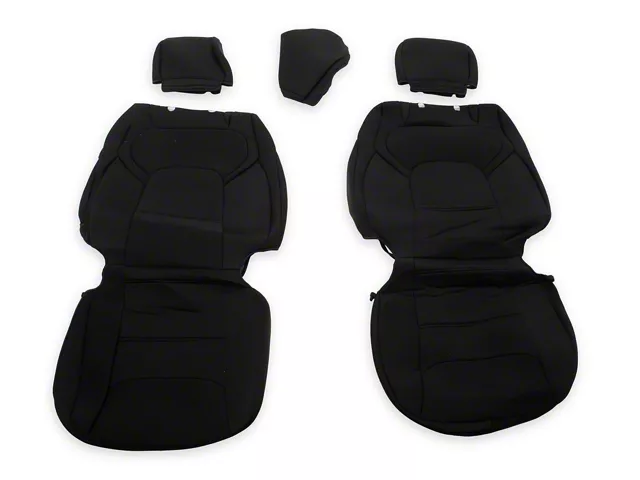
- Neoprene: A synthetic rubber originally designed for wetsuits. Neoprene seat covers are water-resistant, flexible, and comfortable in both hot and cold conditions. They resist mildew, clean up easily with a damp cloth, and offer a snug, sporty fit. This is the most popular material for daily-driver trucks.
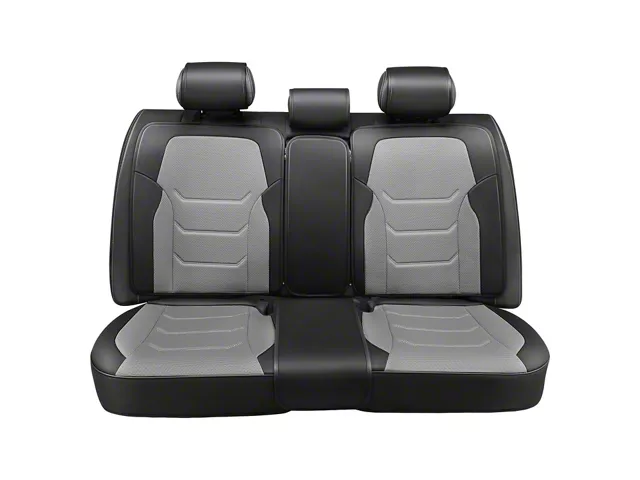
- Leatherette (Synthetic Leather): Gives you the look and feel of genuine leather at a fraction of the cost. Leatherette is UV-resistant, wipes clean quickly, and holds up well to everyday wear. It tends to run warmer in summer than neoprene but offers a more refined interior appearance.
- Canvas / Duck-Weave: Heavy-duty woven fabric built for abuse. This is the material Carhartt uses in their workwear — and in their Covercraft collaboration seat covers. Canvas breathes better than neoprene, resists tears and abrasion, and gets softer with use. It's the go-to for contractors and tradespeople.
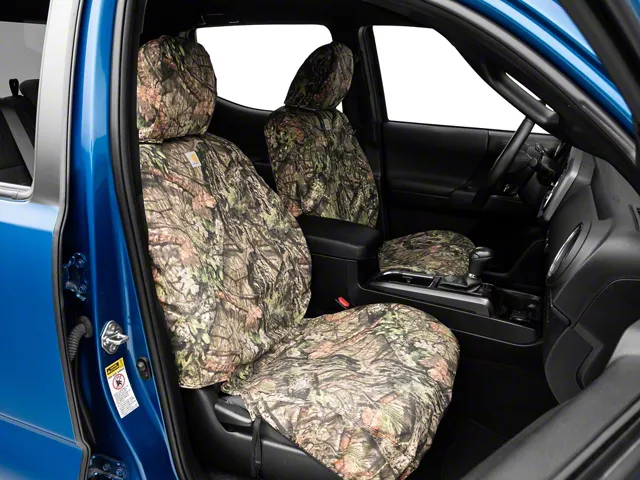
- Cordura Nylon: A military-grade fabric rated at 1000 denier. Cordura is the most abrasion-resistant seat cover material available. It's the right pick if your seats see heavy daily punishment from tools, hardware, or constant in-and-out.
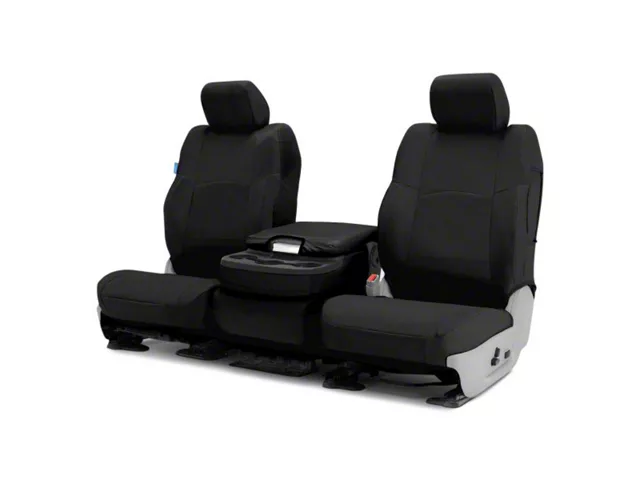
- Poly-Cotton Blend: A budget-friendly, breathable fabric. Poly-cotton covers are lightweight, machine washable, and comfortable against bare skin. They won't repel water like neoprene or canvas, but they're easy to care for and affordable to replace.
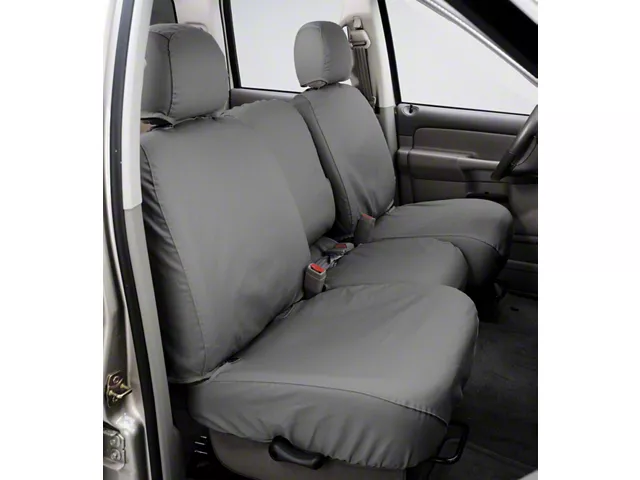
- Saddle Blanket: Woven olefin with a classic Western ranch look. Saddle blanket covers are breathable, pet-friendly, and among the most affordable options. They're a solid choice if you want a traditional aesthetic on a budget.
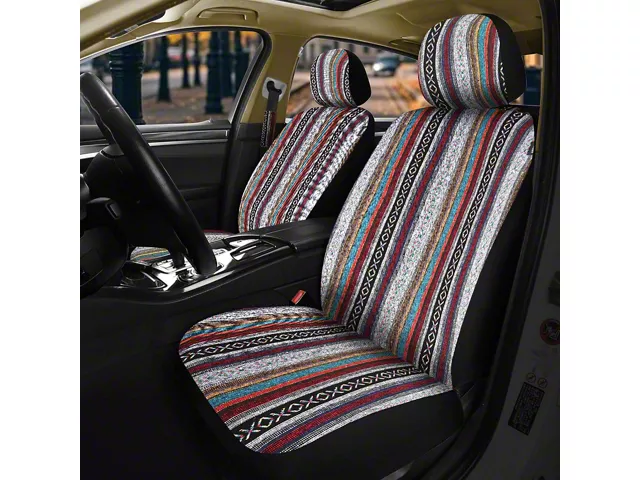
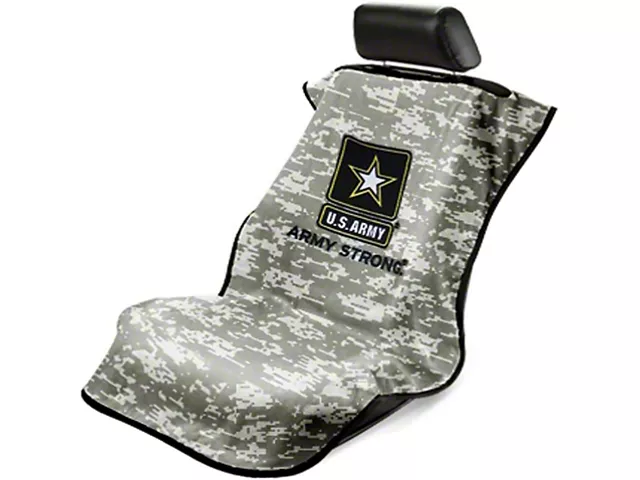
- Camo Patterns: Camo isn't a material — it's a print option available on neoprene, canvas, poly-cotton, and other base fabrics. Mossy Oak and Realtree camo patterns are common. The underlying material determines performance; the camo just determines the look.
Truck Seat Cover Material Comparison Table
| Material |
Best For |
Water Resistance |
Durability |
Price Range |
Washability |
| Neoprene |
Daily drivers, all-around use |
High |
High |
$$–$$$ |
Wipe clean or spot wash |
| Leatherette |
Premium look, easy cleanup |
High |
Medium–High |
$$–$$$ |
Wipe clean |
| Canvas / Duck-Weave |
Work trucks, heavy use |
Medium (coated options available) |
Very High |
$$–$$$ |
Machine washable |
| Cordura Nylon |
Extreme-duty / tool-heavy use |
Medium–High |
Very High |
$$$ |
Spot clean |
| Poly-Cotton |
Budget-friendly comfort |
Low |
Medium |
$ |
Machine washable |
| Saddle Blanket |
Ranch/Western style, pets |
Low |
Medium |
$ |
Machine washable |
| Camo (various bases) |
Hunting, outdoors, style |
Depends on base material |
Depends on base material |
$–$$$ |
Depends on base material |
Custom-Fit vs. Semi-Custom vs. Universal Seat Covers
Do custom-fit seat covers fit better than universal? Yes, custom-fit seat covers fit significantly better than universal options. They're patterned for a specific truck's year, make, model, cab style, and seat configuration — including cutouts for headrests, armrests, center consoles, and side airbags. Universal covers use elastic and straps to fit a range of seats, which often means loose fabric, bunching, and blocked seat features. For daily drivers, custom-fit is the clear winner.
Fitment is one of the biggest decisions you'll make when buying seat covers. The three levels work like this:
- Custom-Fit: Engineered for your exact year, make, model, cab configuration, and seat type. Custom-fit covers accommodate headrests, fold-down armrests, seat-mounted controls, center consoles, and — critically — integrated side airbags. They install tight, look like upholstery, and don't shift during use. Brands like Covercraft and Coverking offer vehicle-specific patterns for most popular trucks. This is what we recommend for daily drivers and anyone who wants a factory-quality look.
- Semi-Custom: Designed for a general seat shape (like "full-size truck bucket seat") rather than a specific vehicle. Semi-custom covers fit better than universal but may not accommodate every feature on your seats. They're a middle-ground option if a full custom-fit isn't available for your truck.
- Universal: One-size-fits-most covers that use elastic edges, hooks, and straps to stretch over any seat. Universal covers are cheap and quick to install, but they tend to bunch up, slide around, and can interfere with side airbag deployment. They're acceptable for beater work trucks where appearance doesn't matter, but we wouldn't recommend them for a truck you drive daily.
Airbag compatibility is non-negotiable. If your truck has seat-mounted side airbags, you need covers with tear-away stitching along the airbag seam. All of the custom-fit covers we carry include this feature. With universal covers, there's no guarantee the fabric will clear the airbag deployment zone.
Best Truck Seat Cover Brands
Which company is best for seat covers? Covercraft and Coverking are our top-recommended seat cover brands for trucks. Covercraft is known for its Carhartt SeatSaver collaboration — duck-weave canvas that's machine washable and backed by a three-year warranty. Coverking specializes in custom-tailored neoprene covers with a wide color selection and a two-year warranty. Both offer vehicle-specific fitment for most popular truck platforms.
We carry seat covers from several brands, each with a different focus. Here's how they stack up.
Covercraft
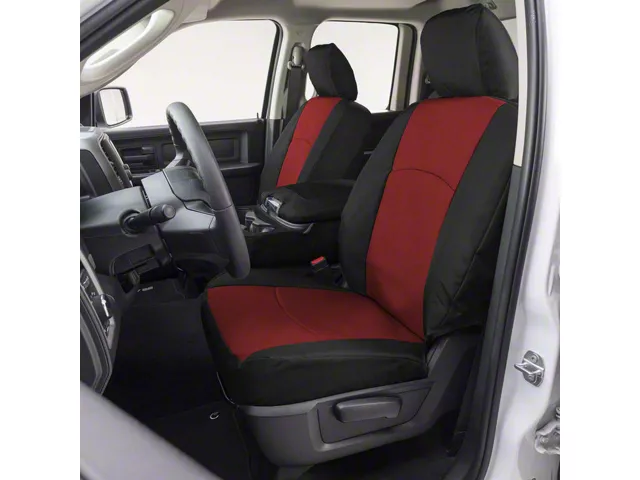
Covercraft is one of the most widely carried names in vehicle-specific seat protection, and their partnership with Carhartt is the standout product in the lineup. The SeatSaver line uses genuine Carhartt duck-weave fabric — the same tough material used in Carhartt workwear — with a DWR (Durable Water Repellent) finish. These covers are machine washable, backed by a three-year warranty, and available in Brown, Gravel, and Mossy Oak camo patterns. If you're running a work truck, the Carhartt SeatSaver is the cover we'd reach for — machine washable, vehicle-specific fitment, and a three-year warranty.
Covercraft also offers the Super Dux line for extreme-duty applications. These use 1000-denier Cordura nylon with Carhartt's Rain Defender coating for maximum water and abrasion resistance.
Coverking
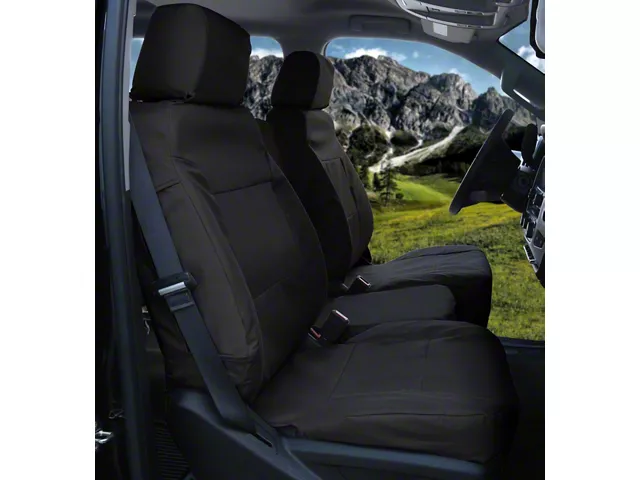
Coverking is the neoprene specialist. Their seat covers are custom-tailored to your specific truck with tight, upholstery-like fitment. They offer neoprene, neosupreme (a lighter neoprene alternative), and leatherette options in nine-plus color combinations. Coverking's two-year warranty and wide color selection make them a popular choice for truck owners who want protection without sacrificing interior style.
Rough Country
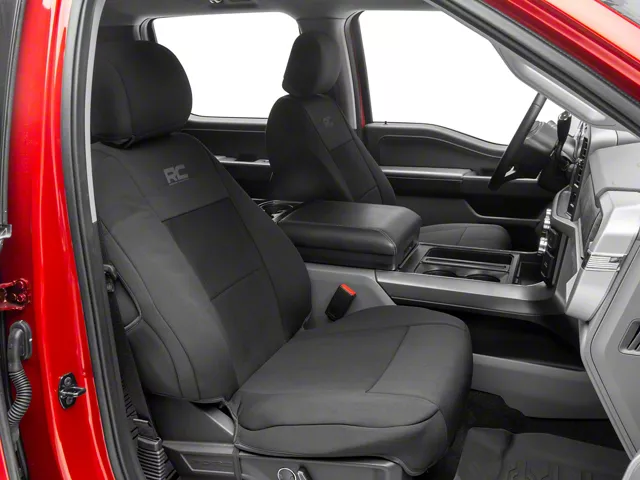
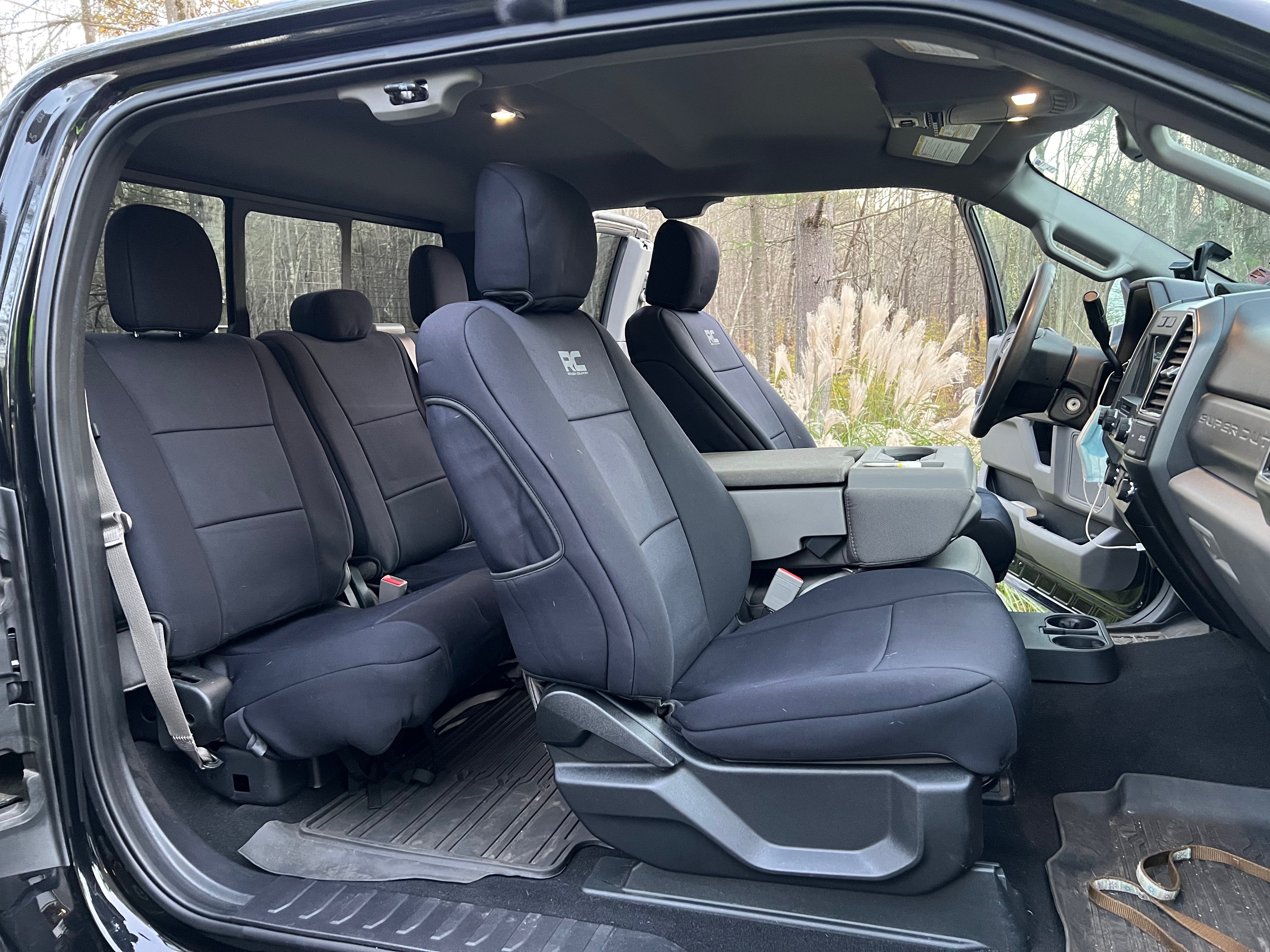
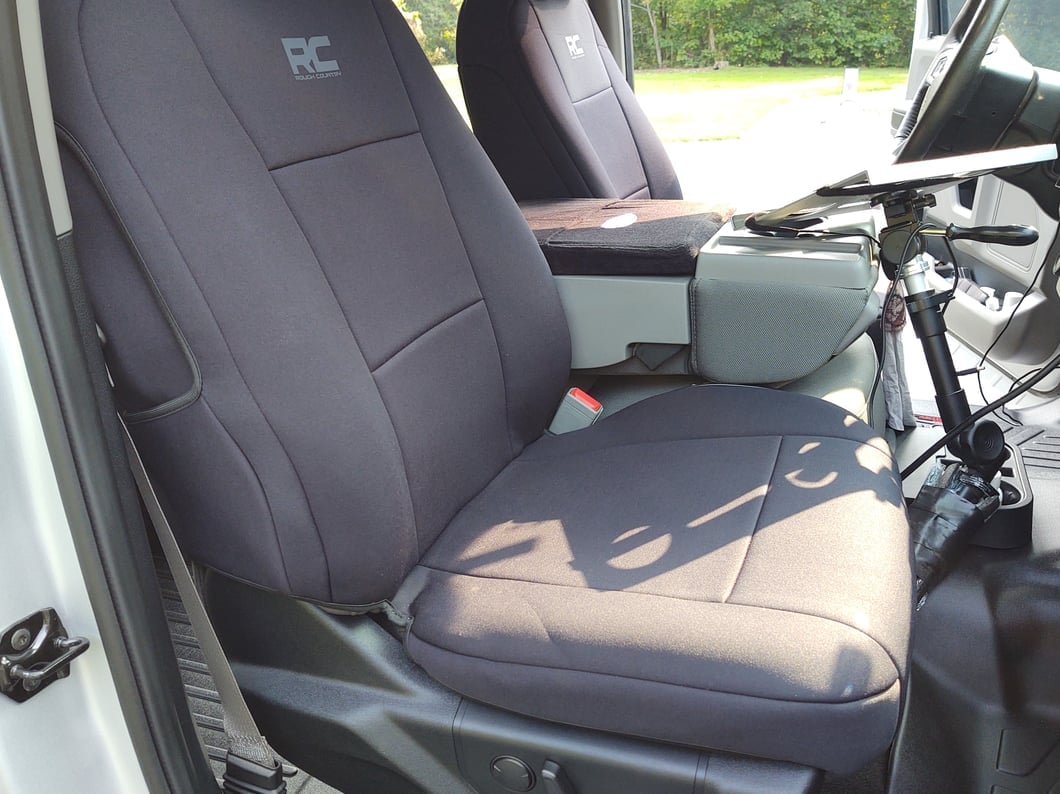
Rough Country's neoprene seat covers are the value play. They include four-layer foam padding for comfort, integrated headrest covers, and side-airbag-compatible stitching — all at a price point below Covercraft and Coverking. If you're outfitting a truck on a budget and want water-resistant protection with decent comfort, Rough Country delivers.
Fia
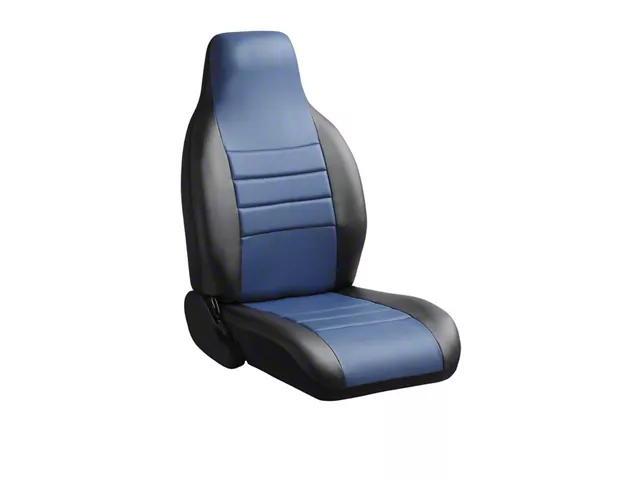
Fia focuses on leatherette seat covers with their LeatherLite line. These two-tone synthetic leather covers offer a premium look with padded comfort, and they feature Fia's Super-Grip installation system for a secure fit. If aesthetics are your top priority and you want your interior to look like a custom leather upgrade, Fia is worth a look.
WeatherTech
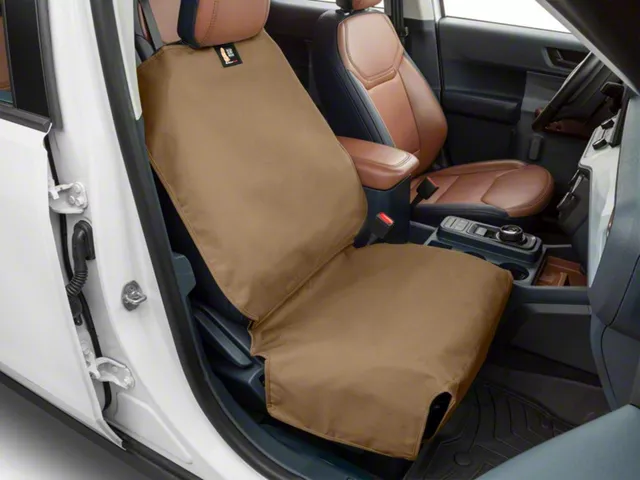
Are WeatherTech seat covers worth it? WeatherTech makes seat protectors rather than traditional full seat covers — they sit on top of your seats and provide a waterproof barrier against spills, mud, and pet hair. They're excellent for quick cleanup and easy removal, but they don't wrap around your seats or offer the finished look of a custom-fit cover. WeatherTech seat protectors are worth it if you need fast, no-fuss protection you can pull out in seconds, especially for second-row seats.
WeatherTech is well known for floor liners, and their seat protectors follow the same philosophy: practical, easy to clean, and engineered for protection. The WeatherTech Seat Protector for RAM is a good example — it's a lay-on protector designed for quick installation and removal, ideal for rear seats that see kids, dogs, or cargo.
Top Truck Seat Covers by Use Case
Different trucks serve different purposes, and the right seat cover depends on how you use yours. Here are our top picks organized by use case.
Best All-Around: Covercraft Carhartt SeatSaver
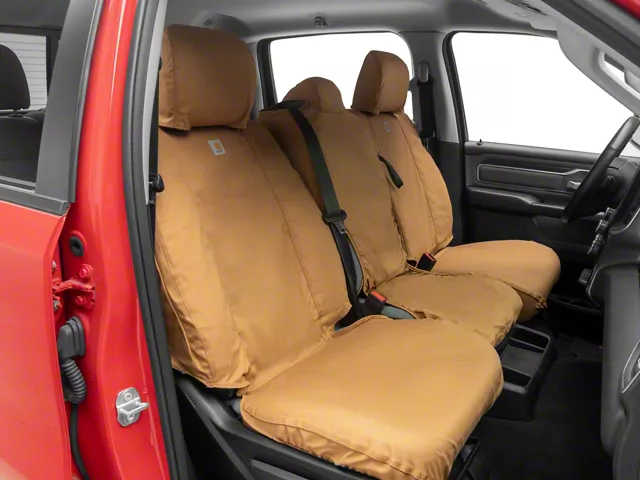
The Carhartt SeatSaver is the seat cover we'd recommend to most truck owners. It handles everything — daily commutes, weekend projects, hunting trips, kid duty.
- Material: Carhartt duck-weave canvas with DWR finish
- Fit: Custom-fit with side airbag compatibility
- Washability: Machine washable — remove, wash, reinstall
- Warranty: Three years
- Colors: Brown, Gravel, Mossy Oak Break-Up Country camo
The machine-washable feature alone puts the Carhartt SeatSaver ahead of most competitors. After a muddy weekend, you pull the covers off, run them through the wash, and reinstall them looking brand new.
Most Durable: Covercraft Carhartt Super Dux
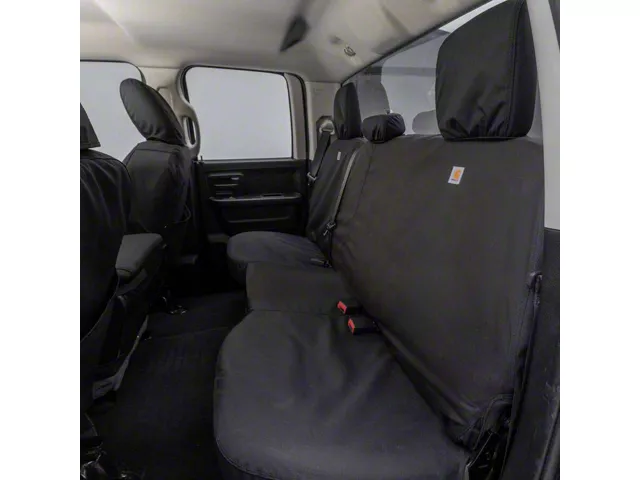
What are durable seat covers for trucks? The most durable truck seat covers use Cordura nylon or heavy-duty duck-weave canvas. Covercraft's Carhartt Super Dux line combines 1000-denier Cordura with Carhartt's Rain Defender water-repellent coating, making it the toughest seat cover option available for trucks. It's designed for contractors, ranchers, and anyone whose seats take serious daily abuse from tools, equipment, or constant entry and exit.
- Material: 1000-denier Cordura nylon with Rain Defender coating
- Fit: Custom-fit, airbag-compatible
- Best For: Contractors, tradespeople, ranchers
- Washability: Spot clean recommended
- Warranty: Three years
Best Waterproof: Coverking Neoprene
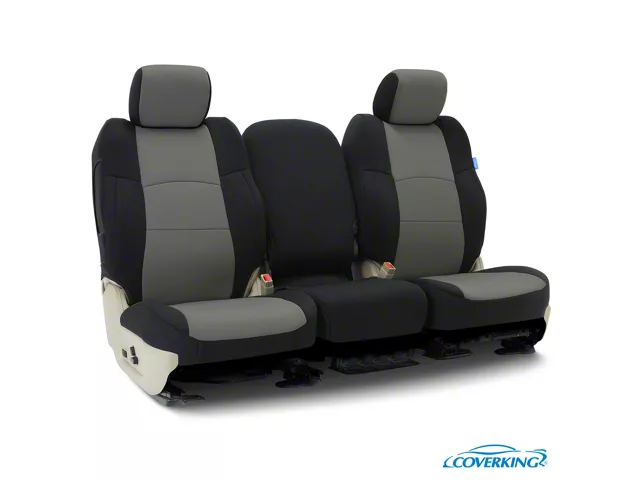
If water resistance is your top priority, Coverking's CR-grade neoprene covers are the way to go. The dual-layer neoprene construction resists water, mildew, and UV damage while staying comfortable year-round.
- Material: CR-grade dual-layer neoprene
- Fit: Custom-tailored per vehicle
- Best For: Wet climates, fishing, boating, beach trucks
- Colors: Nine-plus color options including two-tone combinations
- Warranty: Two years
Best Budget: Coverking Neosupreme
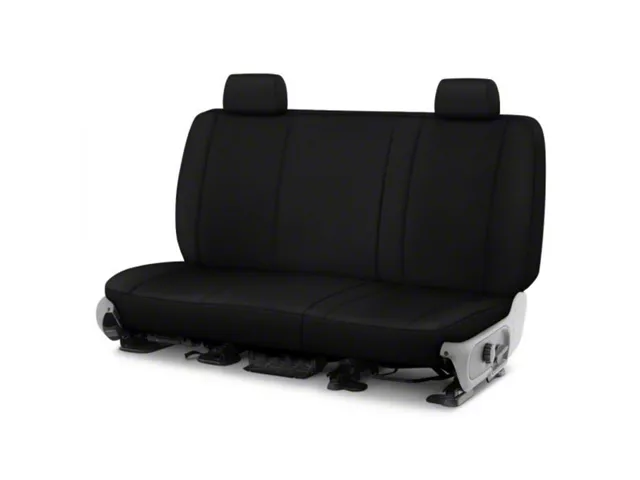
Coverking's Neosupreme is a neoprene-alternative material that delivers similar water resistance and comfort at a lower price point. It's foam-backed for comfort and available in multiple colors.
- Material: Neosupreme (neoprene alternative), foam-backed
- Fit: Custom-tailored per vehicle
- Best For: Budget-conscious daily drivers
- Warranty: Two years
Best for Work Trucks: Rough Country Neoprene
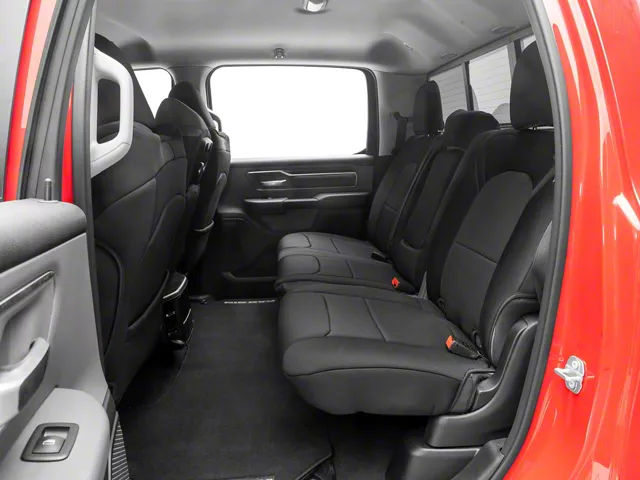
Rough Country's neoprene seat covers pack four layers of foam padding, integrated headrest covers, and airbag-compatible stitching into an affordable package. They're a no-brainer for work trucks that need basic, reliable protection. Check out the Rough Country Neoprene Seat Covers for a closer look at what's included.
- Material: Neoprene with four-layer foam padding
- Fit: Vehicle-specific, airbag-compatible
- Includes: Headrest covers
- Best For: Fleet trucks, budget builds, daily beaters
Best Looking: Fia LeatherLite
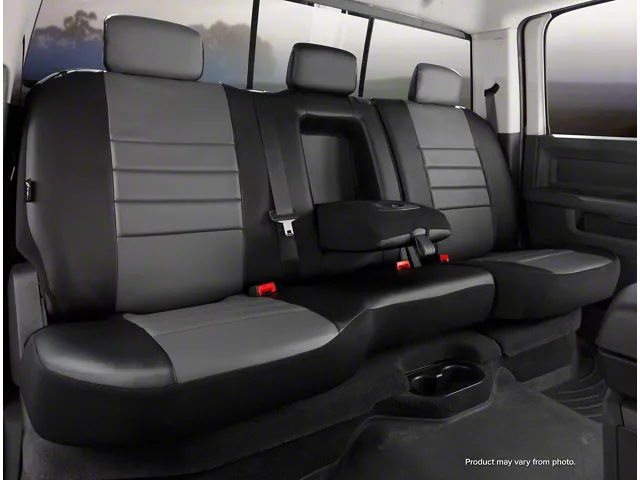
If you want your truck's interior to look like a custom leather job, Fia's LeatherLite covers deliver. The two-tone synthetic leather is padded for comfort and uses Fia's Super-Grip system to stay put.
- Material: Two-tone leatherette, padded
- Fit: Custom-fit with Super-Grip installation
- Best For: Trucks where interior appearance is a priority
- Warranty: Varies by application
Seat Cover Fitment by Truck
Getting the right fit starts with knowing your truck's year, cab configuration, and seat type. Here's what to look for on the most popular platforms.
Ford F-150
The F-150 comes in SuperCab and SuperCrew configurations with bucket seats, a 40/20/40 split bench, or a front bench depending on the trim and year. Most 2015–2024 F-150s use bucket seats with a center console in higher trims and a 40/20/40 bench in XL and XLT work-truck packages. Always confirm your exact seat layout before ordering.
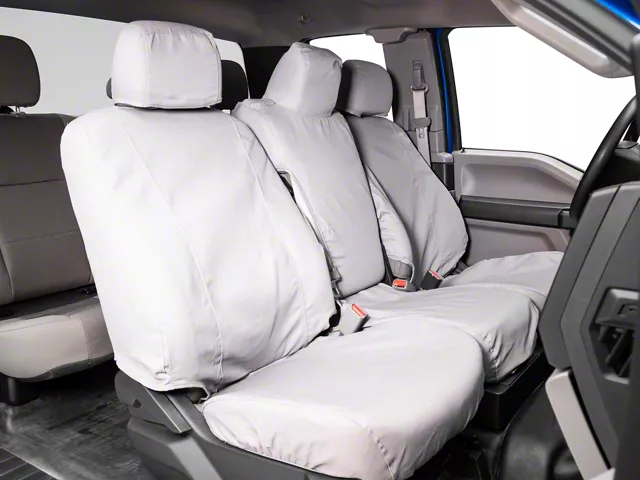
The Covercraft SeatSaver for F-150 is one of the most popular options, offering custom-fit coverage for front-row bucket or bench seats.
Chevy Silverado 1500
Silverado 1500s come in Double Cab and Crew Cab with bucket seats or a 40/20/40 split bench up front. Higher trims typically get buckets with a center console; WT and Custom trims often come with the split bench. Rear seat configurations vary by cab style, so double-check before you buy.
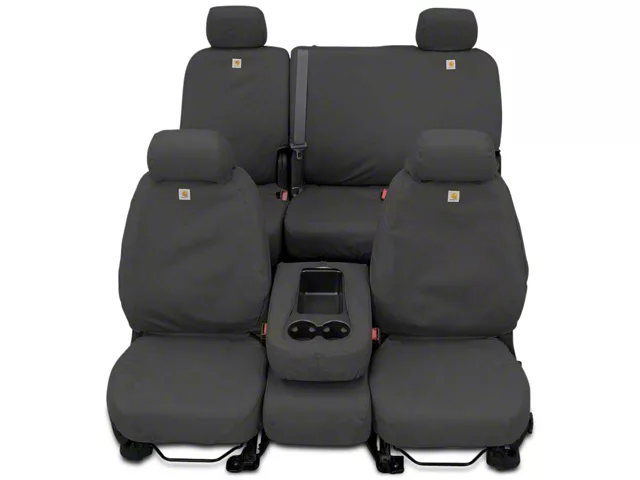
For Silverado-specific fitment, the Covercraft Carhartt for Silverado is available in bucket-seat configurations for 2014+ models.
RAM 1500
The RAM 1500 saw a major redesign in 2019, so fitment is split between 2009–2018 (Classic) and 2019+ (DT) platforms. Both generations offer bucket seats and bench seats, but the seat dimensions and mounting points are different. If you're ordering for a 2019+ RAM, make sure the covers are listed for the DT platform specifically.
The Covercraft Carhartt SeatSaver for RAM 1500 is available in Mossy Oak camo and other patterns for both generations.
GMC Sierra 1500
The Sierra 1500 shares its platform and seat configurations with the Chevy Silverado 1500. In most cases, seat covers that fit a Silverado of the same year, cab style, and seat type will also fit the Sierra. That said, some trim-specific features (like the Sierra Denali's unique seat bolstering) may require a trim-specific cover. Always filter by your exact year and model when shopping.
Heavy-Duty Trucks: F-250/F-350, Silverado 2500/3500, RAM 2500/3500
Heavy-duty trucks follow similar seat conventions as their half-ton counterparts, but they often come with vinyl bench seats from the factory — especially in fleet configurations. Seat covers are even more popular on HD trucks because they transform basic vinyl benches into something more comfortable and durable. Custom-fit covers are available for most HD trucks from Covercraft and Coverking.
A quick fitment tip: When shopping for seat covers on our site, use the year/make/model filters to narrow results to covers engineered specifically for your truck. Bench seats, bucket seats, split-folds, and integrated seat belts all require different patterns.
How to Install Truck Seat Covers
Most quality seat covers install in 20–30 minutes with no tools required. Here's the general process:
- Remove the headrests. Press the release button on the headrest post and pull them straight up.
- Slip the cover over the seatback. Start at the top and pull the cover down over the seatback, tucking excess material into the gap between the seatback and seat cushion.
- Install the seat cushion cover. Pull the bottom cover over the seat cushion and secure it underneath with straps, hooks, or elastic — depending on the brand.
- Reinstall the headrests through the cover's headrest openings.
- Adjust and tighten. Smooth out any wrinkles and tighten all straps. Custom-fit covers should sit flush with minimal adjustment.
Tips for a Clean Install
- Let the cover break in. Neoprene and canvas covers loosen slightly after a few days of use, so don't panic if they feel tight on day one.
- Check airbag seams. Make sure the tear-away stitching along the side airbag seam is properly aligned and not covered by tucked fabric.
- Move the seat forward. Slide the seat all the way forward to access the back straps, then slide it back to reach the front.
Care and Cleaning by Material
- Neoprene: Wipe down with a damp cloth and mild soap. Avoid machine washing unless the manufacturer specifically says it's safe.
- Canvas / Duck-Weave: Machine wash cold, tumble dry low. Carhartt SeatSavers are designed for repeated machine washing.
- Leatherette: Wipe clean with a damp cloth. Use a UV protectant spray to prevent fading.
- Poly-Cotton: Machine wash warm, tumble dry low.
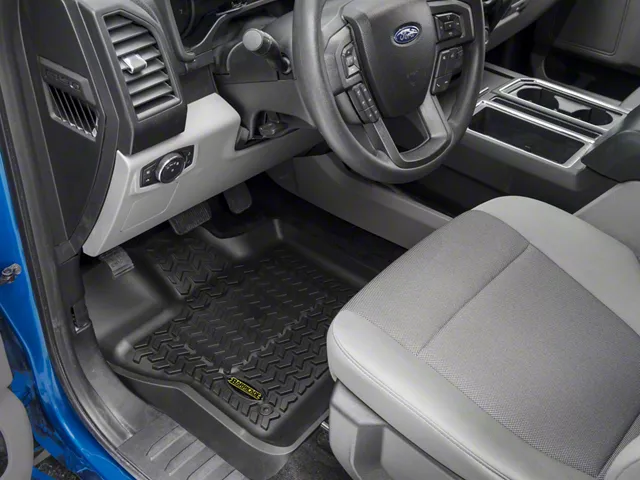
While you're upgrading your interior protection, it's worth pairing seat covers with heavy-duty floor mats — they'll catch the dirt and mud that misses your seats.
Related Content
Your truck's interior takes just as much abuse as the exterior, and it deserves the same level of protection. Whether you're looking for rugged canvas covers for the jobsite, waterproof neoprene for weekend adventures, or clean leatherette for the daily commute, the right seat covers make your cab tougher, easier to clean, and more comfortable. Pair them with floor liners for your F-150 or matching floor mats, and you've got a truck interior that's ready for whatever you throw at it. Browse our full lineup of truck seat covers and interior accessories to find the right fit for your rig.
Frequently Asked Questions About Lift Kits and Leveling Kits
Truck owners researching suspension upgrades often have the same questions about cost, installation, towing impact, and tire fitment. Here are the most common ones answered.
What Is the Difference Between a Lift Kit and a Leveling Kit?
A leveling kit raises only the front of your truck 1 to 2.5 inches using spacers or torsion keys to eliminate factory rake. A lift kit raises both the front and rear 2 to 12 inches by replacing or upgrading suspension components like springs, shocks, and control arms for increased ground clearance and off-road capability.
Is a Leveling Kit Worth It?
A leveling kit is worth it if you want to eliminate the factory nose-down rake, fit slightly larger tires (up to 33 to 35 inches), and improve your truck's appearance without spending much money. At $50 to $300 for parts and a 1 to 2 hour install, it's one of the highest-impact, lowest-cost mods available.
Does a Leveling Kit Affect Towing?
A leveling kit can change how your truck behaves under load. Factory rake is designed so the truck levels out when towing or hauling. Leveling the front means the truck may squat in the rear under heavy loads. You won't lose towing capacity, but you should be mindful of tongue weight distribution.
Does a Lift Kit Void Your Warranty?
A lift kit doesn't automatically void your entire warranty. Under the Magnuson-Moss Warranty Act, the dealer must prove that your aftermarket modification directly caused a specific failure before denying a warranty claim. However, related suspension and drivetrain components may not be covered if the dealer links the failure to the lift.
Can You Tow With a Lifted Truck?
You can tow with a lifted truck, but there are considerations. A lift changes the angle of your hitch and may require a drop hitch to keep your trailer level. Larger tires can also affect braking distance. If you tow regularly, stick to moderate lift heights and make sure your hitch setup compensates for the added height.
How Long Does It Take To Install a Leveling Kit?
Most leveling kits install in 1 to 2 hours. Strut spacer kits are the quickest since you're adding a spacer on top of the existing strut assembly. Torsion key swaps can be slightly faster. This is a beginner-friendly DIY project that requires basic hand tools, a jack, and jack stands.
How Long Does It Take To Install a Lift Kit?
A lift kit installation takes 4 to 8 or more hours depending on the lift height and complexity. A basic 2 to 3-inch kit can be done in 4 to 5 hours by an experienced installer. A full 6-inch suspension lift with all the associated components can take a full day. Professional installation is recommended for lifts 4 inches and above.
Does a Leveling Kit Affect Gas Mileage?
A leveling kit by itself has minimal to no effect on gas mileage if you keep your stock tire size. If you upgrade to larger, heavier tires after leveling, expect a slight decrease in fuel economy due to increased rolling resistance. The impact is far smaller than what you'd see with a full lift kit and oversized tires.