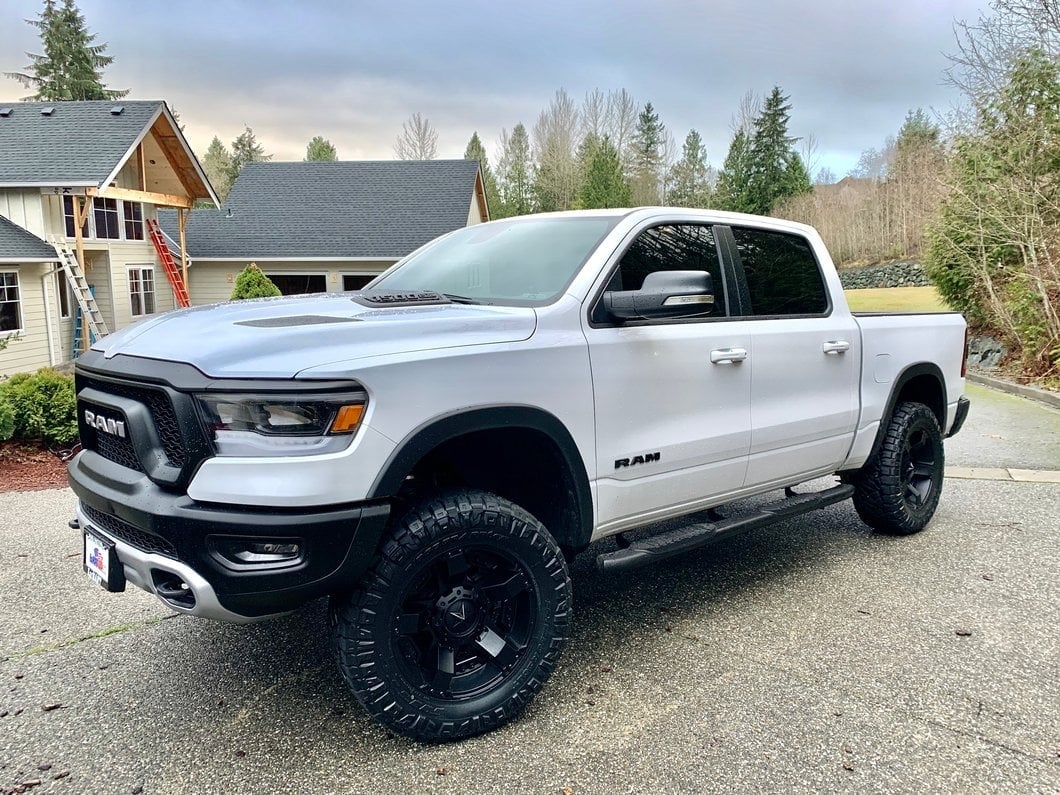
How Much Fuel Does a Lifted Truck Use?
![]() Yes, lifted trucks generally use more fuel than their stock counterparts. Depending on your lift height, tire size, and driving habits, you can expect to lose anywhere from about 1 to 4 miles per gallon compared to a stock setup.
Yes, lifted trucks generally use more fuel than their stock counterparts. Depending on your lift height, tire size, and driving habits, you can expect to lose anywhere from about 1 to 4 miles per gallon compared to a stock setup.
That said, a lift doesn't automatically destroy your fuel economy. A modest 2-inch leveling kit with stock-sized tires might only cost you half a mile per gallon, while a 6-inch suspension lift paired with 37-inch mud-terrains will hit your wallet noticeably harder at the pump. Three main factors determine how much fuel economy you'll actually lose: the added weight of lift components, the size and type of tires you run, and how much your truck's aerodynamics change at speed.
If you're planning a build and wondering whether the MPG tradeoff is worth it, the answer depends on what you're building for. Let's break down the numbers by lift height so you can make an informed decision before choosing lift kits for your truck.
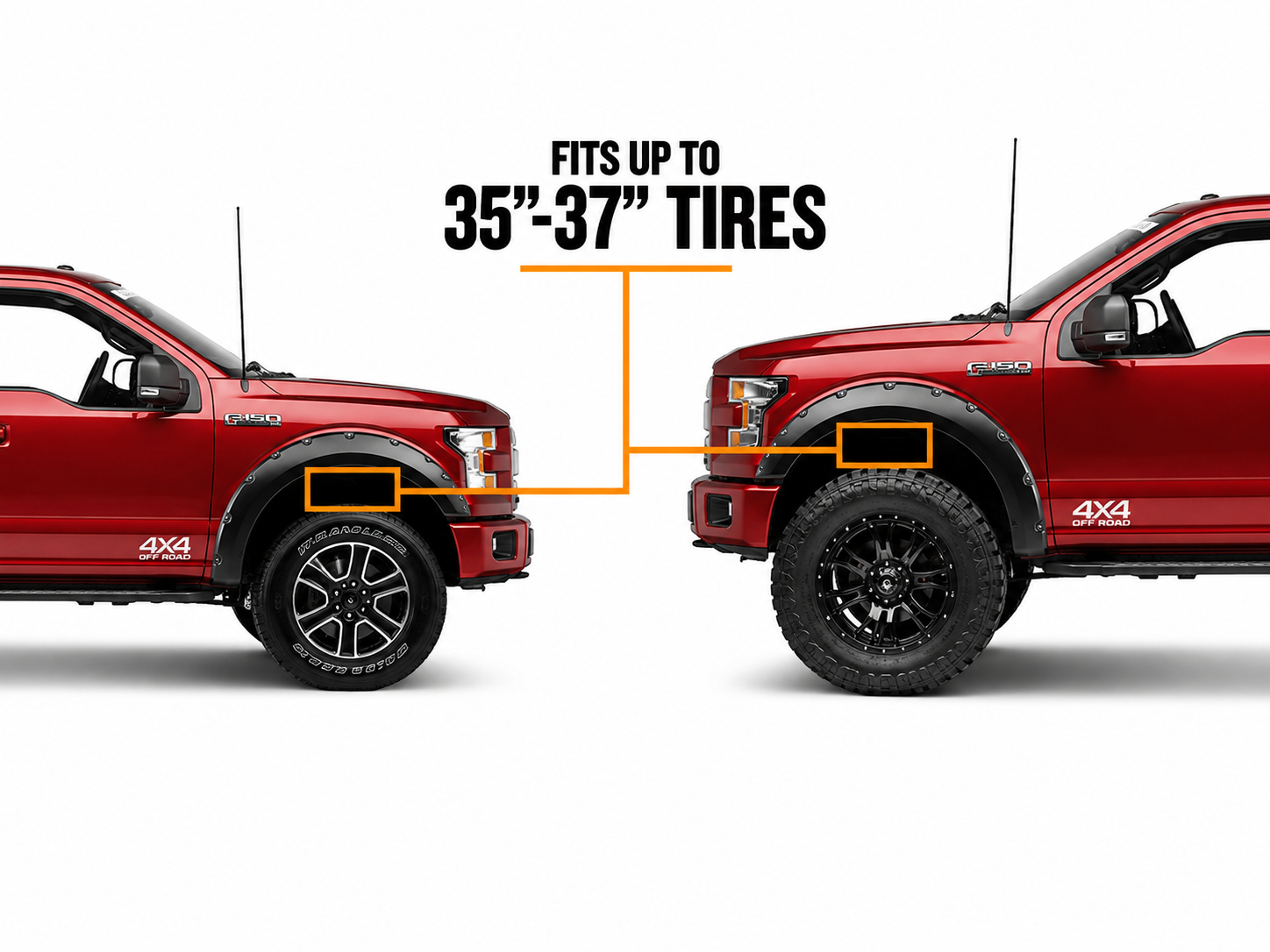
MPG Impact by Lift Height
![]() Not all lifts are created equal when it comes to fuel economy. The taller you go, the more MPG you'll sacrifice — but the relationship isn't always linear. Tire choice, driving conditions, and your specific truck platform all play a role. If you're still deciding on height, our guide on how much lift your truck needs can help you find the right balance.
Not all lifts are created equal when it comes to fuel economy. The taller you go, the more MPG you'll sacrifice — but the relationship isn't always linear. Tire choice, driving conditions, and your specific truck platform all play a role. If you're still deciding on height, our guide on how much lift your truck needs can help you find the right balance.
2-Inch Leveling Kit or Lift
A 2-inch lift is the most fuel-friendly option. You're looking at roughly 0.5 to 1 MPG of loss, and in some cases you won't notice a difference at all. At this height, you can usually keep your stock tires or step up to a 32-inch wheel-and-tire combo without any significant penalty. The aerodynamic profile of your truck barely changes, and the lift components themselves — whether spacers or basic strut extensions — add minimal weight.
This is the sweet spot for daily drivers who want a leveled stance without a noticeable hit at the pump.
4-Inch Suspension Lift
At four inches of lift, you'll typically lose 2 to 3 MPG. This is where things start to add up, because a 4-inch lift is usually paired with 33- to 35-inch tires that increase both rolling resistance and wind drag. The suspension components themselves — new control arms, shocks and struts, crossmembers — also add meaningful weight to the truck.
You'll feel the difference most at highway speeds, where the combination of a taller profile and bigger tires creates more aerodynamic drag. Around town, the impact is smaller but still present.
6-Inch+ Suspension Lift
A 6-inch or taller suspension lift is where fuel economy takes its biggest hit: expect 3 to 4+ MPG of loss. At this height, you're running 35- to 37-inch tires (or larger), adding hundreds of pounds of suspension hardware, and significantly increasing your truck's frontal area — the amount of surface that pushes against the wind as you drive.
Builds at this level are typically purpose-built for off-roading or show trucks where maximum ground clearance and visual impact matter more than pump costs. If you're building a daily driver at this height, plan on budgeting for the extra fuel.
|
Estimated MPG Loss by Lift Height
|
|
Lift Height
|
Typical Tire Size
|
Estimated MPG Loss
|
Best For
|
|
2"
|
Stock–32"
|
0.5–1 MPG
|
Daily drivers wanting a leveled stance
|
|
4"
|
33"–35"
|
2–3 MPG
|
Balanced off-road and street use
|
|
6"+
|
35"–37"+
|
3–4+ MPG
|
Dedicated off-road and show builds
|
Why Lifted Trucks Use More Fuel
![]() Understanding why a lift costs you MPG can help you make smarter choices about which components to run. It comes down to three factors, and each one compounds the others.
Understanding why a lift costs you MPG can help you make smarter choices about which components to run. It comes down to three factors, and each one compounds the others.
Increased Weight
Every pound your engine has to move requires energy, and lift kits add weight. A basic leveling kit with spacers might only add 5 to 15 pounds — barely noticeable. But a full 6-inch suspension system with new control arms, crossmembers, skid plates, and heavy-duty shocks can add 100 to 300+ pounds to your truck's curb weight.
That extra weight means the engine has to work harder during acceleration and while climbing grades. You can minimize this by choosing a lift that replaces only the components you need rather than adding an entirely new system on top of your existing hardware.
Larger Wheels and Tires
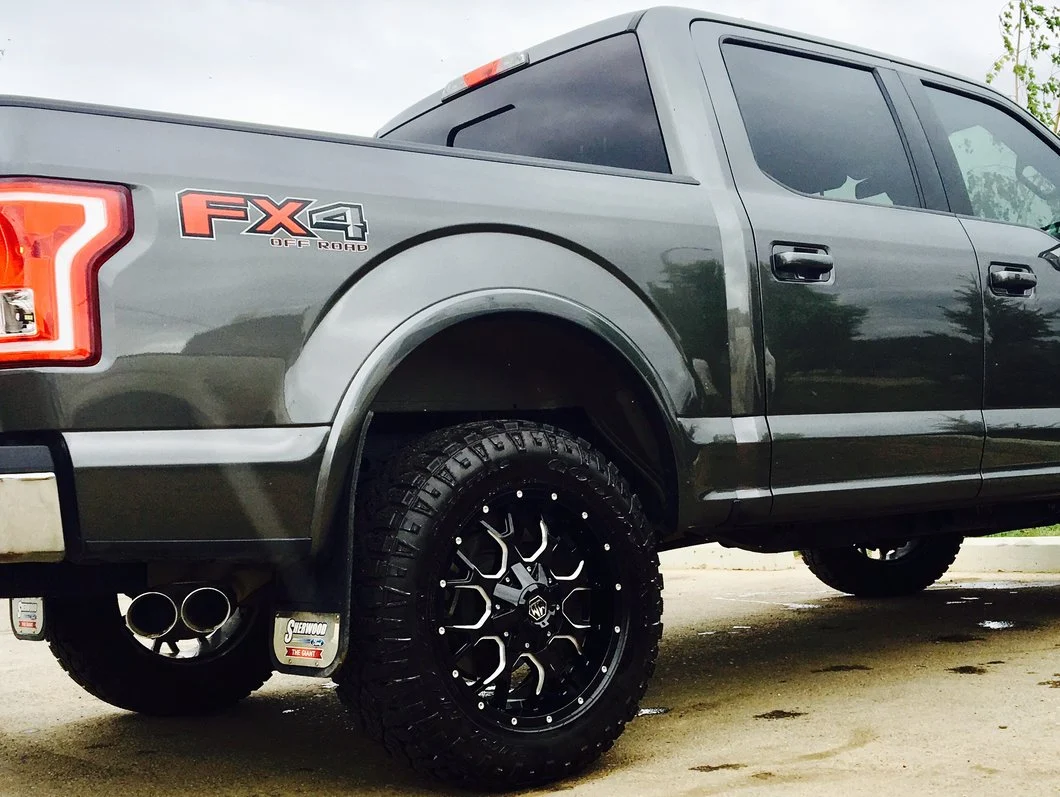
This is often the biggest contributor to fuel economy loss — even more than the lift itself. Larger wheels and tires increase rolling resistance, which is the energy your engine spends just to keep the tires turning on pavement. Heavier tire-and-wheel combos also increase rotational mass, meaning the engine works harder during every acceleration event.
Tread pattern matters, too. Here's how different tire types compare:
- Highway/all-season tires: Lowest rolling resistance and road noise. Best for fuel economy on a lifted truck that's primarily a daily driver.
- All-terrain (A/T) tires: Moderate rolling resistance with more aggressive tread for occasional off-road use. A solid middle ground for most lifted truck owners.
- Mud-terrain (M/T) tires: Highest rolling resistance due to deep, aggressive tread blocks. Great off-road traction but the worst option for highway MPG.
Reduced Aerodynamics
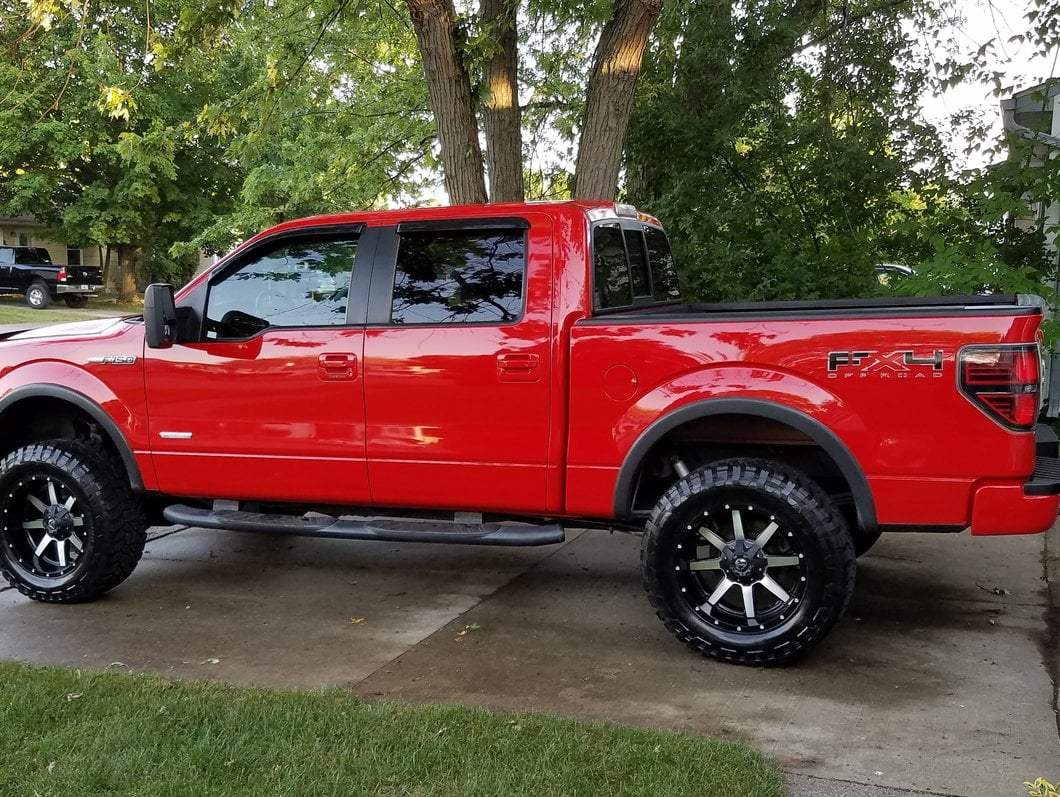
There's a reason race cars sit low to the ground — a lower profile means less aerodynamic drag. When you lift your truck, you increase its frontal area, which is the total surface the wind hits as you drive. The taller the truck, the more wind resistance the engine has to overcome to maintain speed.
This effect is minimal at city speeds but becomes significant on the highway. At 60-70 mph, aerodynamic drag is one of the biggest forces working against your engine. Every inch of lift increases that frontal area, and the effect gets worse as speed climbs. That's why many lifted truck owners notice their biggest MPG drops during highway commutes rather than around-town driving.
Body Lift vs. Suspension Lift: Which Hurts MPG More?
![]() If fuel economy is a major concern, it's worth understanding the difference between these two lift types. For a deeper comparison, check out our guide on lift kits vs. leveling kits.
If fuel economy is a major concern, it's worth understanding the difference between these two lift types. For a deeper comparison, check out our guide on lift kits vs. leveling kits.
A body lift raises the cab and bed of your truck using spacers between the body and the frame. The suspension, drivetrain, and axles stay at stock height. Because a body lift doesn't change the mechanical components underneath, it adds very little weight — typically 20 to 50 pounds of spacers and hardware. Your suspension geometry stays stock, so rolling resistance doesn't change. The main MPG hit comes from the slightly taller profile creating a bit more wind drag.
A suspension lift, on the other hand, raises the entire truck — frame, axles, and all — by replacing or modifying suspension components. This adds more weight, changes your truck's center of gravity, and usually requires larger tires to fill the wheel wells. The combination of added weight, bigger tires, and a taller profile means a suspension lift will almost always cost you more MPG than a body lift of the same height.
Here's the tradeoff in bullet form:
- Body lift MPG impact: Minimal. Adds little weight and doesn't require larger tires. Slight aero penalty only. Best if you want a taller look without sacrificing much fuel economy.
- Suspension lift MPG impact: Moderate to significant. Adds weight, usually paired with larger tires, and increases frontal area. Best if you need real ground clearance for off-road performance.
How to Get Better Gas Mileage in a Lifted Truck
Lifting your truck doesn't mean you have to accept the worst possible fuel economy. There are practical steps you can take to claw back some of those lost miles per gallon.
Re-Gear Your Differential
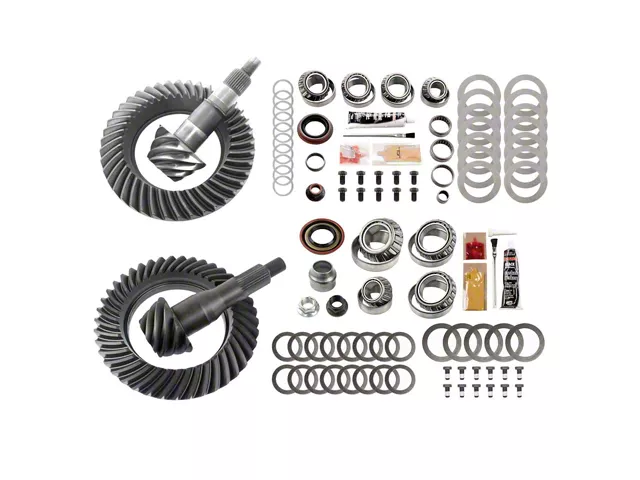
When you install larger tires, your truck's effective gear ratio changes. The engine has to spin harder to turn those bigger wheels at the same speed, which burns more fuel. Swapping to a set of ring and pinion gears with a numerically higher ratio — like going from 3.21 to 3.73 or 4.10 — restores the mechanical advantage your engine lost.
Think of it this way: re-gearing lets your engine work at its efficient RPM range again instead of lugging at low revs or over-revving to keep up with larger tires. It's one of the most effective single modifications you can make to improve fuel economy on a lifted truck.
Choose the Right Tires
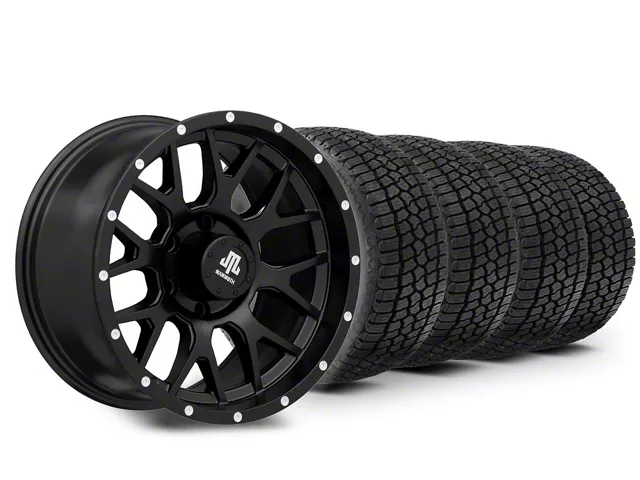
Your tire choice has as much impact on MPG as the lift itself. If you don't go off-road regularly, there's no reason to run heavy mud-terrain tires every day. All-terrain tires offer a strong balance of off-road grip and on-road efficiency, and they'll save you fuel compared to aggressive M/T treads.
Another approach is to run two sets: a lighter wheel and tire kit with highway-friendly tires for your daily commute, and a dedicated off-road set for weekends on the trail. It's an upfront investment, but the fuel savings add up over time.
Drive Smarter
Sometimes the simplest changes make the biggest difference. A few driving habits that help:
- Accelerate gradually: Keeping your RPMs below 2,000 during acceleration prevents the engine from burning excess fuel. Easy on the pedal, easy on the wallet.
- Use cruise control on the highway: Maintaining a steady speed eliminates the constant acceleration-deceleration cycle that wastes fuel, especially on a truck with more aerodynamic drag.
- Keep your tires properly inflated: Under-inflated tires increase rolling resistance. Check your pressures at least once a month — it's free MPG.
- Stay on top of maintenance: Clean air filters, fresh spark plugs, and properly serviced drivetrain components all help your engine run as efficiently as possible.
Consider a Tuner or Cold Air Intake
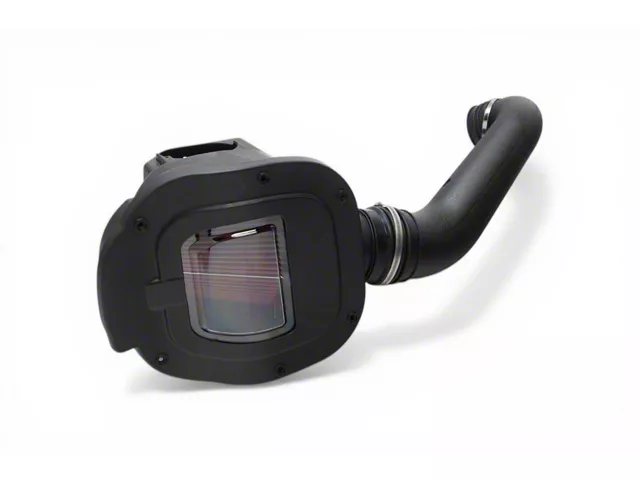
A performance tuner can adjust your truck's fuel mapping, shift points, and throttle response to optimize for fuel economy rather than peak power. Many tuners offer a dedicated "economy" mode that can recover 1-2 MPG on a lifted truck.
Pairing a tuner with a cold air intake gives your engine denser, cooler air for combustion — which means it doesn't have to work as hard to produce the same power. It's not a dramatic improvement on its own, but combined with re-gearing and smarter tire choices, the gains stack up.
Related Content
Whether you want to add a subtle leveling kit for a cleaner stance or you're building a full off-road rig with maximum clearance, we carry the lift kits, wheels and tires, and supporting accessories to get your truck where you want it — and help you do it right.
Frequently Asked Questions About Lifted Trucks and Fuel Economy
Truck owners considering a lift kit often have questions about how it will affect their fuel costs. Here are the most common questions answered.
How Much Gas Does a Lifted Truck Use?
A lifted truck typically uses 1 to 3 more gallons of fuel per tank compared to its stock configuration. The exact increase depends on lift height, tire size, and driving conditions. A 2-inch leveling kit may cost you less than 1 MPG, while a 6-inch suspension lift with 35-inch tires can reduce fuel economy by 3 to 4 MPG or more at highway speeds.
What Are the Cons of a Lifted Truck?
The main downsides of lifting a truck include reduced fuel economy, a higher center of gravity that affects handling and stability, increased stopping distances, potential warranty concerns, and higher overall cost from the kit, installation, and larger tires. Towing capacity can also decrease with suspension lifts because the altered hitch geometry changes load distribution.
How Much Does a 4-Inch Lift Affect Gas Mileage?
A 4-inch suspension lift typically reduces gas mileage by 2 to 3 MPG, depending on the truck and tire combination. The lift itself adds weight and increases frontal area, but the larger tires most owners pair with a 4-inch lift — usually 33- to 35-inch — create additional rolling resistance that accounts for most of the efficiency loss.
How to Make a Lifted Truck More Fuel-Efficient?
You can improve a lifted truck's fuel efficiency by keeping tires at the recommended pressure, choosing lighter alloy wheels, avoiding aggressive off-road tread patterns for daily driving, re-gearing the differential to match your tire size, accelerating gradually, and maintaining consistent highway speeds. Keeping RPMs below 2,000 during normal driving also helps reduce fuel consumption significantly.
Does a 2-Inch Lift Affect Gas Mileage?
A 2-inch lift or leveling kit has a minimal impact on gas mileage — typically less than 1 MPG. Because a small lift does not drastically change the truck's aerodynamic profile and usually does not require larger tires, the fuel economy penalty is negligible for most daily drivers compared to the improved stance and ground clearance you gain.
Does a Body Lift Affect Gas Mileage Differently Than a Suspension Lift?
Yes, a body lift generally has less impact on fuel economy than a suspension lift. Body lifts raise the cab without changing suspension geometry, ground clearance, or wheel travel, so they add minimal weight and frontal area. Suspension lifts alter the entire ride height, increasing aerodynamic drag and usually requiring larger, heavier tires that significantly affect rolling resistance and fuel efficiency.
Does Tire Size Affect MPG on a Lifted Truck?
Tire size is often the single biggest factor in MPG loss on a lifted truck. Moving from stock 31-inch tires to 35-inch off-road tires can reduce fuel economy by 2 to 3 MPG due to increased weight, rolling resistance, and unsprung mass. Choosing lighter, highway-friendly tread patterns and alloy wheels can reduce the penalty by roughly half compared to aggressive mud-terrain tires.