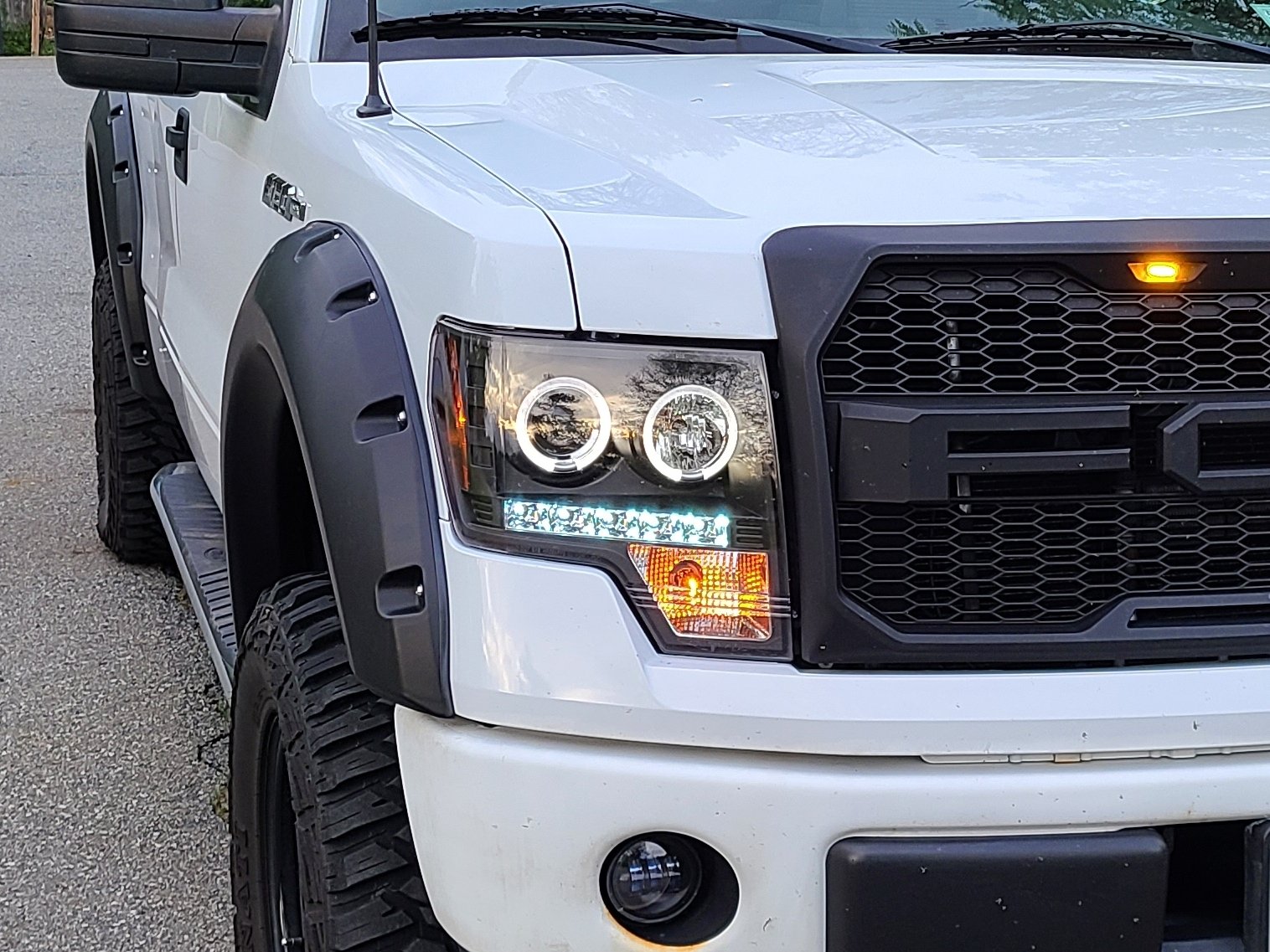
Fender flares protect your truck's paint, cover wider tires after a lift, and sharpen your stance. This guide breaks down every style, material, top brand, and installation step you need to make the right call.
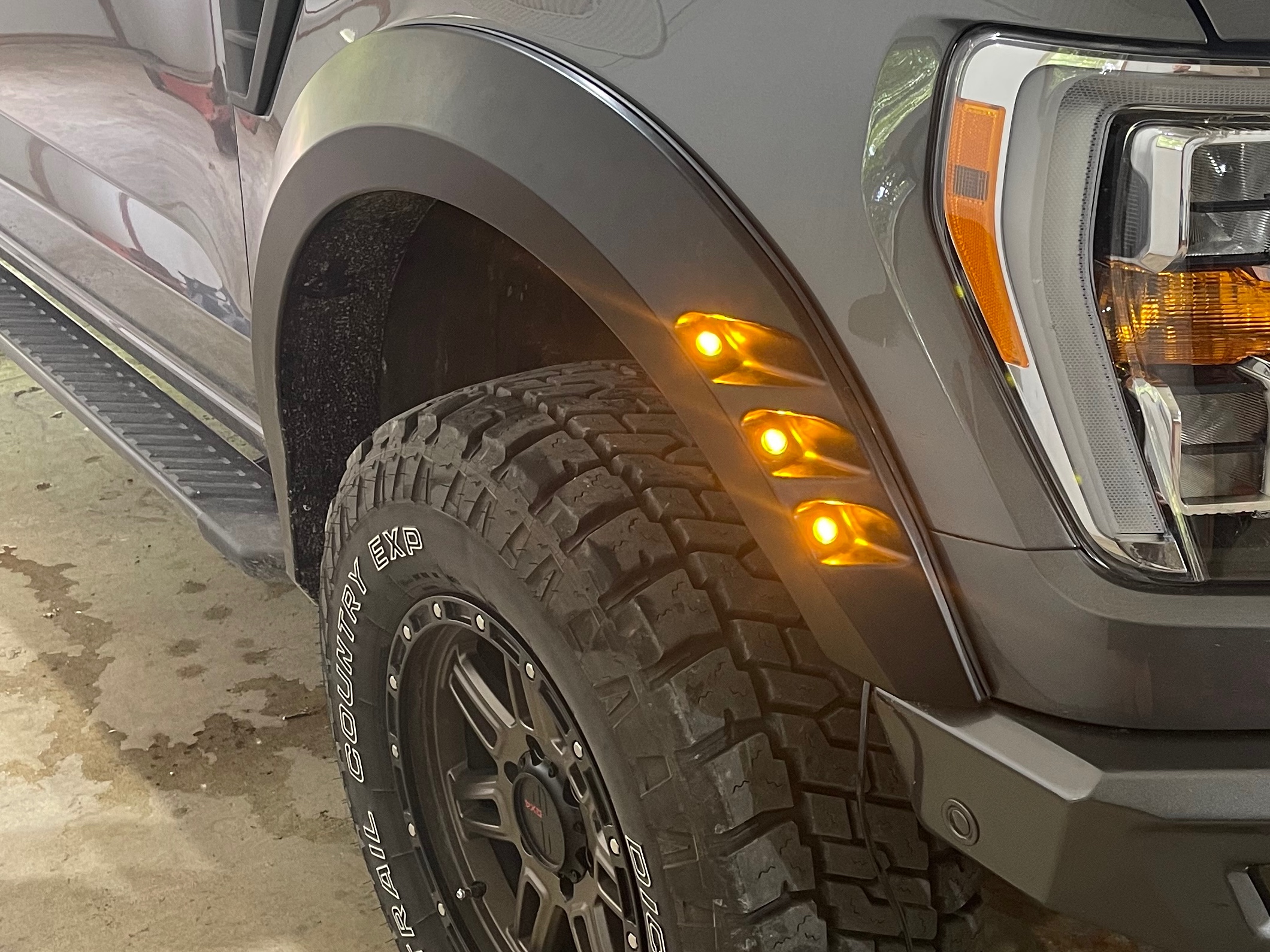
If you've ever kicked up a rock that left a chip in your paint — or looked at your truck after a lift and realized the tires stick out past the fender — you already know why fender flares exist. They're one of the most practical exterior mods you can add to a truck, and they happen to look great doing their job. In this guide, we'll walk you through the four main fender flare styles, compare the top brands we carry at AmericanTrucks, break down material differences that actually matter, cover fitment across the most popular truck platforms, and give you a step-by-step installation walkthrough. Whether you're building a trail rig or cleaning up a daily driver, you'll leave here knowing exactly which flares fit your truck and your build.
What Are Fender Flares and Why Do You Need Them?
Fender flares are aftermarket extensions that mount along the edge of your truck's wheel wells, widening the fender to cover more of the tire and protect your truck's body from road debris. They bolt or clip onto your existing fenders and come in styles ranging from subtle factory-match profiles to aggressive bolt-on designs that completely change your truck's stance.
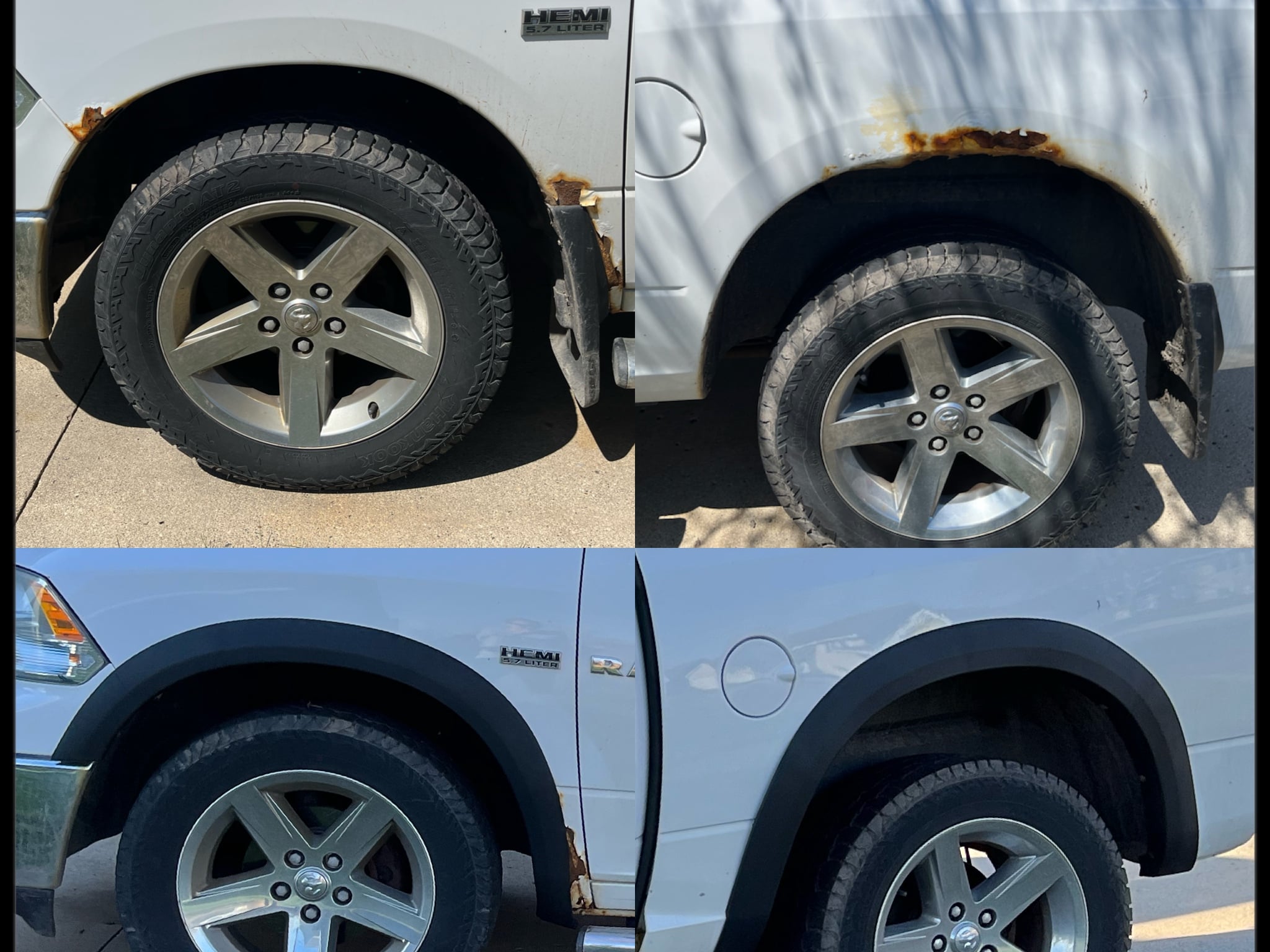
So why do truck owners add them? There are four practical reasons fender flares belong on your short list of exterior upgrades:
- Paint and Body Protection: Rocks, gravel, mud, and road salt kick up from your tires and blast your paint, rocker panels, and the trucks behind you. Fender flares act as a physical barrier, catching debris before it chips your finish or dents your quarter panels.
- Tire Coverage and Legal Compliance: If you've gone with wider tires or wheels with more offset, your tread likely pokes past the factory fender line. Most states require tires to be fully covered by the fender, and flares solve that problem without trimming your body panels.
- Wider, More Aggressive Stance: Even if your tires fit fine, fender flares fill the gap between the tire and the fender edge. The result is a more planted, muscular look — especially on lifted trucks where the wheel well gap can look oversized.
- Hide Minor Fender Damage: Got a dent, scratch, or spot of rust along your fender lip? Fender flares cover it up cleanly, saving you a body shop bill while giving your truck a fresh, intentional look.
Whether you're building an off-road rig that needs real protection or cleaning up a daily driver, fender flares deliver one of the best cost-to-impact ratios of any exterior mod.
Types of Fender Flares
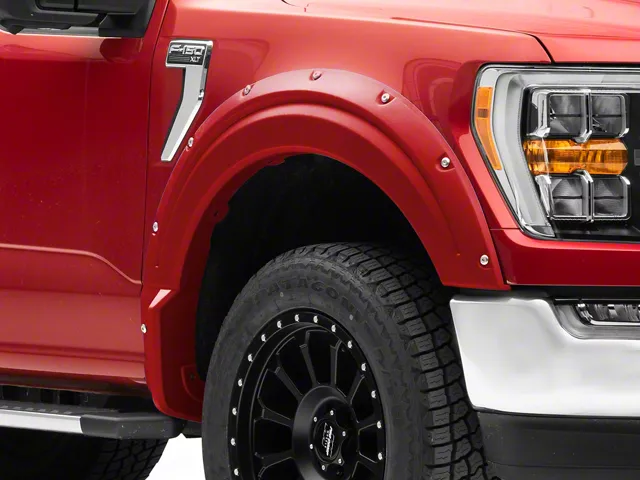
The four main types of fender flares are pocket style, OE style, cut-out style, and extended/smooth style. Each one serves a different build goal, so picking the right type comes down to how much tire coverage you need and the look you're going for.
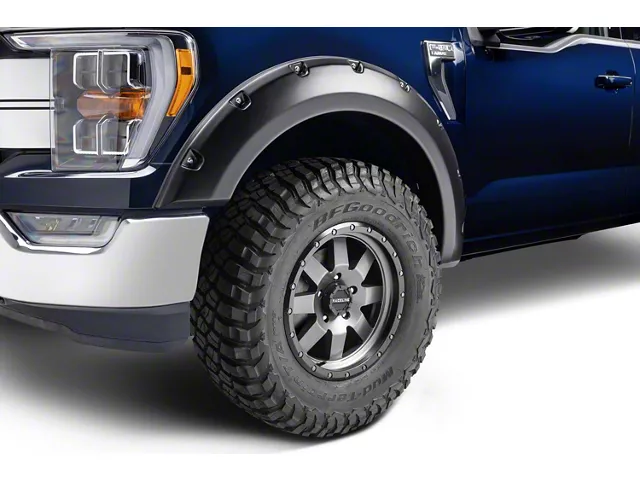
- Pocket Style (Bolt-On): These are the most popular aftermarket fender flares on the market, and for good reason. Pocket-style flares feature visible bolt-head accents along the edge that give your truck a rugged, purpose-built look. They extend the fender 2–3 inches beyond the factory line, which makes them the go-to choice if you're running 33–35-inch tires on a lifted truck. The aggressive stance they create works equally well on off-road rigs and street builds. Most pocket-style sets require drilling mounting holes into your fender, but the hardware is designed to seal against moisture. Brands like Bushwacker and Rough Country offer some of the widest selections in this category. If you want a Raptor-style fender flare look without the Raptor price tag, pocket-style flares get you there.
- OE Style (Factory Match): OE-style fender flares replicate the look of factory-installed flares. They sit flush against the body with smooth edges and no visible hardware, extending the fender 1–1.5 inches. This is the right choice if you want a subtle upgrade that looks like it came from the factory — ideal for daily drivers and trucks that need a clean, professional appearance. Most OE-style flares use a no-drill design that clips into existing factory mounting points, which makes installation straightforward and reversible. Check out OE replacement fender flares for a clean factory-match option.
- Cut-Out Style: Cut-out flares deliver maximum tire clearance by requiring you to trim back the factory fender metal before installation. These are built for heavily modified trucks — think 37-inch tires on long-travel suspension — where even pocket-style flares can't provide enough room. The trade-off is permanence: once you cut your fenders, you're committed. Cut-out flares are best suited for dedicated off-road builds or competition trucks where performance matters more than resale value.
- Extended/Smooth Style: Extended flares add just 0.5–1 inch of coverage with a smooth, streamlined profile. They're the most understated option, designed for near-stock trucks that need a slight bit of extra coverage without changing the truck's character. Street-oriented builds and daily drivers that run a slightly wider wheel and tire combo benefit most from this style. The clean lines blend in rather than stand out, which is exactly the point.
Best Fender Flare Brands for Trucks
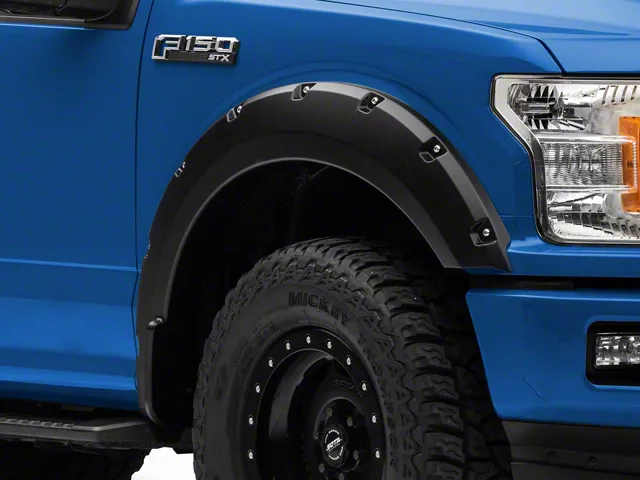
Bushwacker is the industry leader in truck fender flares, offering the widest fitment catalog and the most trusted materials in the segment. Beyond Bushwacker, several other brands deliver strong options across different budgets and build styles.
Here's how the top fender flare brands stack up:
- Bushwacker: The benchmark for aftermarket fender flares. Bushwacker manufactures in the USA using their proprietary DuraFlex 2000 material, which is more flexible and impact-resistant than standard polypropylene. Their lineup includes the Pocket Style, Extend-A-Fender, and Fender Flare lines, covering nearly every truck platform from the late '90s to current models. Expect to pay $200–$500+ per set depending on style and fitment. If budget isn't the deciding factor, Bushwacker is the safest bet.
- Rough Country: Rough Country has earned a reputation for delivering solid quality at accessible prices. Their pocket-style fender flares and rivet-style options use polypropylene construction and typically run $150–$300 per set. If you want the bolt-on look without the premium price tag, Rough Country is one of the best values in the category.
- RedRock / Proven Ground: These are house brands you'll find here at AmericanTrucks, and they consistently earn strong customer reviews. We carry both OE replacement and pocket-style options in the $150–$300 range. The RedRock fender flare kit is a popular pick for truck owners who want quality without paying the Bushwacker premium.
- Husky Liners: Most truck owners know Husky for their floor liners, but they also make pocket-style fender flares. Husky uses a DuraFlex material under a Bushwacker license, which means you're getting similar material quality in a slightly different design. Their fitment catalog is smaller than Bushwacker's, but if you're already running Husky products, the brand consistency is a nice plus.
- Rugged Ridge: Rugged Ridge focuses on the all-terrain segment, making them a strong option if you're building an off-road truck or running a Jeep alongside your pickup. Their fender flares are particularly popular on older F-150s and Jeep Wranglers, with designs that lean toward the aggressive, trail-ready end of the spectrum.
- EGR: EGR sits at the premium end of the market, producing fender flares with an OE-quality fit and a smooth, factory-like finish. They're often used by dealerships for accessories packages, which tells you something about their build quality. EGR flares are a solid choice if you want a refined look and don't mind paying for it.
Fender Flare Materials Compared
![]() The material your fender flares are made from directly affects their durability, flexibility, appearance, and how well they hold up in extreme weather. Most aftermarket fender flares use one of four materials, and the differences matter more than you might expect.
The material your fender flares are made from directly affects their durability, flexibility, appearance, and how well they hold up in extreme weather. Most aftermarket fender flares use one of four materials, and the differences matter more than you might expect.
- ABS Plastic: The budget option. ABS is rigid and easy to mold, which keeps costs down. The downside is that it can become brittle in cold climates and is more prone to cracking from impacts. If you live somewhere with harsh winters or regularly drive on rough roads, ABS may not hold up as well over time.
- Polypropylene (PP): The best all-around material for fender flares. PP is flexible enough to absorb impacts from rocks and trail debris without cracking, it's UV-stable so it won't fade as quickly in the sun, and most PP flares are paintable if you want a color-matched look. Rough Country and RedRock both use polypropylene in their core lineups.
- DuraFlex 2000 (Bushwacker Proprietary): This is Bushwacker's premium blend of polypropylene, engineered for extra flexibility and durability. DuraFlex 2000 flares can flex significantly without cracking — useful if you're on trails where branches and rocks contact your flares regularly. It's the gold standard in the fender flare world and a major reason Bushwacker commands higher prices.
- Fiberglass: Rarely used on truck fender flares, and for good reason. Fiberglass is rigid and doesn't absorb vibration well, which means it can crack over time from normal driving. Unless you're building a show truck that won't see rough roads, fiberglass isn't the right material for a fender flare application.
For most truck owners, polypropylene or DuraFlex 2000 is the right call. Both materials handle real-world driving conditions without sacrificing looks, and both accept paint if you want to go beyond the standard matte black finish.
Fender Flares by Truck Model
Fender flare fitment varies significantly between truck platforms — and even between generations and trim levels of the same truck. Here's what to know about the most popular models.
Ford F-150 Fender Flares
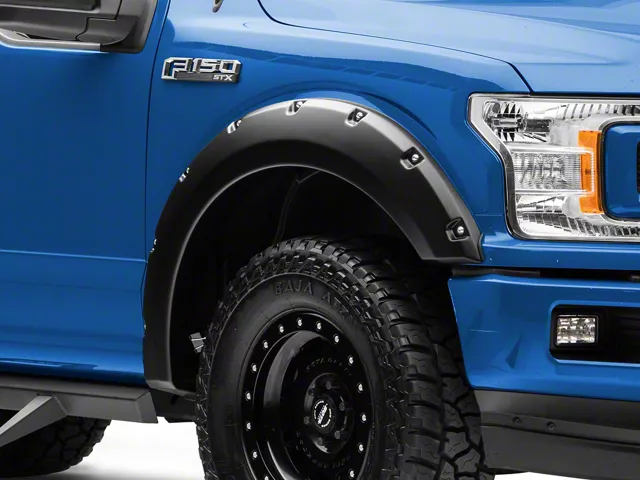
The F-150 is the most popular truck platform in the country, which means it has the widest selection of fender flare options available. You'll find pocket-style, OE-style, extended, and cut-out flares from nearly every brand we carry.
One important note: 2015 and newer F-150s use an aluminum body. That doesn't change how fender flares mount, but you'll want to make sure the included hardware is compatible with aluminum panels to avoid corrosion from mixed metals. Most major brands (Bushwacker, Rough Country, RedRock) include aluminum-safe mounting hardware in their F-150 kits.
Browse our full selection of Bushwacker Max Coverage Pocket Style Fender Flares for F-150 to see what's available for your year and trim.
RAM 1500 Fender Flares
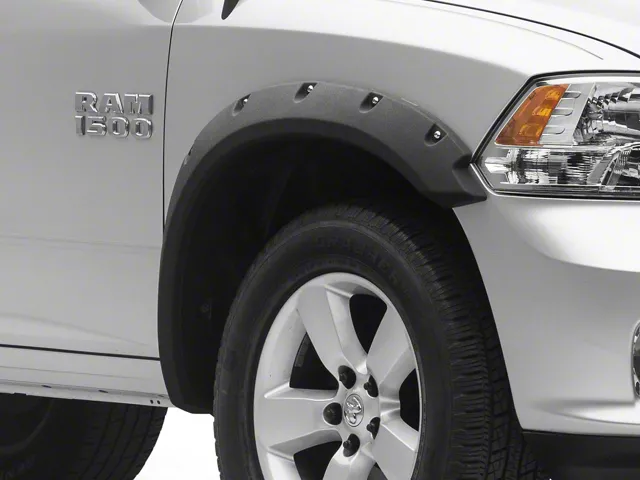
The RAM 1500's compound fender curves give it a distinctive look, and fender flares follow those contours well — especially polypropylene flares that flex to match the body lines. Both OE-style and pocket-style flares are available across most RAM 1500 generations, with strong options from Bushwacker and RedRock.
If you're running a leveling kit or a 2-inch lift with 33-inch tires, pocket-style flares will give you the coverage and stance you need. Check out our RAM 1500 textured fender flares for a direct-fit option.
Chevy Silverado Fender Flares
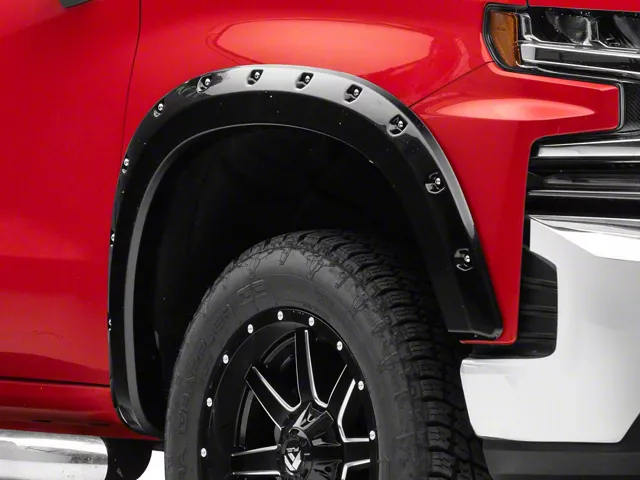
Pocket-style flares are the most popular choice for Silverado owners, and the squared-off fender shape of the Silverado makes for a clean, aggressive look with bolt-on flares. Rough Country and RedRock both offer strong options in the $150–$300 range, and Bushwacker covers the Silverado extensively in their premium lineup.
See our Silverado 1500 fender flares to find the right fit for your generation.
Other Trucks: Super Duty, Tundra, and Tacoma
We carry fender flares for every truck platform we support, including the Ford Super Duty, Toyota Tundra, and Toyota Tacoma. Super Duty trucks benefit especially from pocket-style flares if you're running dually or wider single-rear-wheel setups on a work truck. Browse our Super Duty fender flares for current options. No matter which truck you drive, always shop by year, make, model, and engine to guarantee the right fit. Our vehicle selector does the hard work of narrowing down your options so every part you see is confirmed to fit your truck.
How to Choose the Right Fender Flares
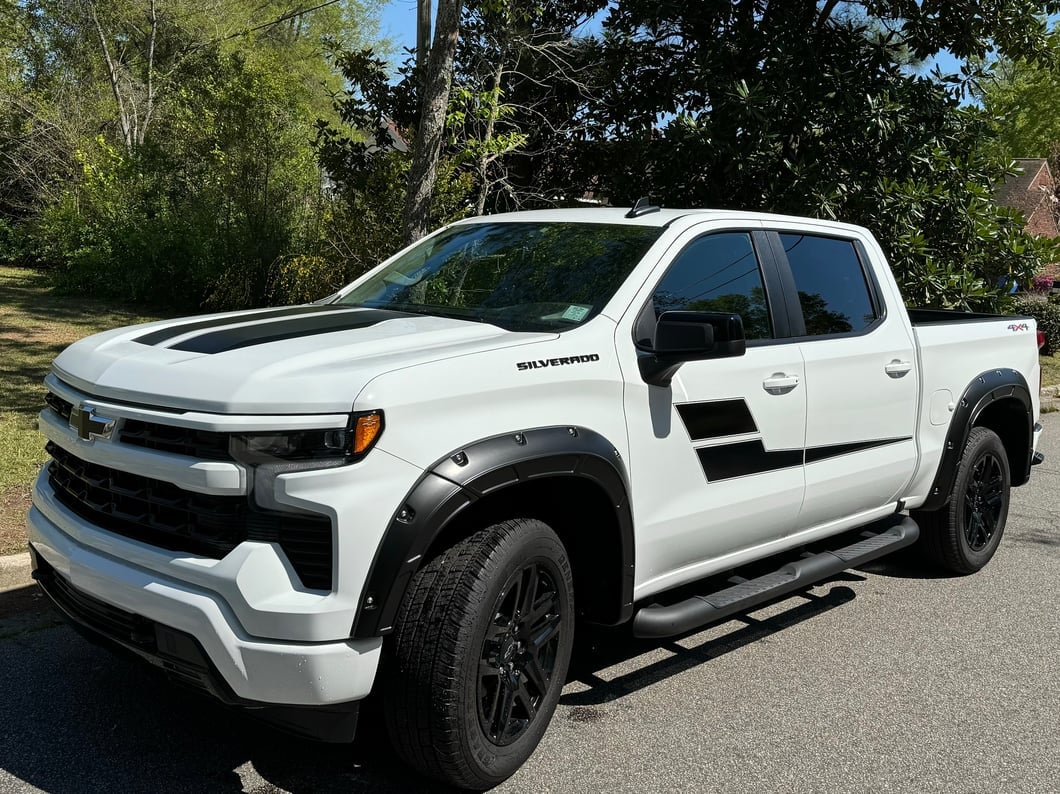
Picking the right fender flares means matching the flare style, width, and material to your truck's setup and how you use it. Start by identifying your build goal — daily driver, off-road truck, or show build — then measure your tire offset to determine how much extra fender coverage you actually need.
- Step 1 — Determine Your Use Case: A daily driver that sees occasional gravel roads needs different flares than a dedicated trail rig with 35-inch tires. OE-style flares suit clean, subtle builds. Pocket-style flares are the right call for lifted trucks and off-road setups. Extended flares work for near-stock trucks that just need a touch more coverage.
- Step 2 — Measure Your Tire Poke: If your tires extend past the factory fender line, measure how far. That measurement tells you how much extra coverage your flares need to provide. Pocket-style flares typically offer 2–3 inches of extension, while OE-style flares add 1–1.5 inches.
- Step 3 — Pick a Style That Matches Your Build: Your flares should look intentional with the rest of your truck. A pocket-style flare on a stock-height daily driver can look out of place, just as a smooth OE flare on a lifted trail truck might not provide enough coverage or visual presence.
- Step 4 — Use the Vehicle Selector for Guaranteed Fitment: This is the step most people skip, and it's the most important. Our vehicle selector filters by year, make, model, and engine, so every fender flare you see is confirmed to fit your exact truck. Don't guess on fitment — let the selector do the work.
- Step 5 — Decide on Finish: Most fender flares ship in matte black textured finish, which looks great on most trucks and requires no additional prep. If you want a color-matched look, choose a paintable flare and have it sprayed to match your truck's paint code. Some brands offer pre-painted options for popular colors.
How to Install Fender Flares
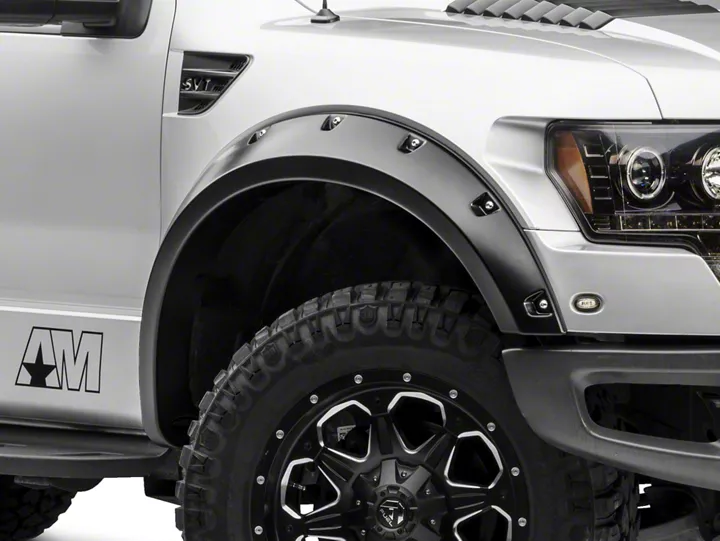
![]() Most fender flares install in 1–3 hours for a full set of four, and the job requires only basic hand tools. OE-style flares are the easiest — they typically clip into existing factory mounting points with no drilling. Pocket-style flares may require drilling mounting holes, but the process is straightforward if you follow the included instructions.
Most fender flares install in 1–3 hours for a full set of four, and the job requires only basic hand tools. OE-style flares are the easiest — they typically clip into existing factory mounting points with no drilling. Pocket-style flares may require drilling mounting holes, but the process is straightforward if you follow the included instructions.
Here are the five core steps for installing fender flares, based on a standard Bushwacker pocket-style installation:
- Prep the Surface: Wash and dry your fenders thoroughly. Use rubbing alcohol or a wax-and-grease remover to clean the mounting surface. Any dirt, wax, or residue under the flare will weaken the seal and can trap moisture against your paint.
- Test-Fit the Flares: Hold each flare in position without fastening it. Check the alignment against the fender edge, the headlight, and the bumper line. Mark your mounting hole locations with a grease pencil or masking tape.
- Drill the Mounting Holes (If Required): For pocket-style and cut-out flares, drill the mounting holes at your marked locations. Use the drill bit size specified in the instructions — typically 5/32 inch or 3/16 inch. Apply touch-up paint or a rust inhibitor to the drilled holes before mounting to prevent corrosion.
- Apply Foam Sealing Tape: Most fender flare kits include adhesive foam tape that goes between the flare and the body. This tape creates a seal that keeps water, mud, and debris from getting behind the flare. Press it firmly along the inside edge of the flare before mounting.
- Mount and Secure the Flares: Align the flare with your drilled holes or factory mounting points, then install the fasteners. Tighten hardware in a cross pattern (just like lug nuts) to ensure even pressure across the flare. Don't overtighten — snug is enough. Once all four are mounted, turn your steering wheel to full lock in both directions and check for tire clearance.
Tools You'll Need
- Socket set and ratchet (10mm, 8mm common)
- Phillips and flathead screwdrivers
- Power drill with appropriate drill bits (for pocket-style installs)
- Rubbing alcohol or wax-and-grease remover
- Masking tape and a grease pencil for marking
- Touch-up paint or rust inhibitor for drilled holes
Installation Tips
- Use 3M Automotive Tape: If your kit includes adhesive backing in addition to bolt-on hardware, 3M double-sided automotive tape creates a stronger, longer-lasting bond than generic adhesive.
- Work in Warm Conditions: Adhesive tape and foam seals bond best above 60 degrees Fahrenheit. If you're installing in cold weather, warm the tape with a heat gun before applying.
- Check Tire Clearance at Full Lock: After installation, turn your wheels all the way left and right while a friend watches for contact between the tire and the flare. This is especially important on lifted trucks with larger tires.
- Consider Professional Help for Cut-Out Flares: If your install requires trimming the factory fender metal, a body shop can make cleaner cuts and treat the exposed metal to prevent rust. The extra cost is worth it for a permanent modification.
For a visual walkthrough, check out the Bushwacker install guide for step-by-step details specific to pocket-style flares.
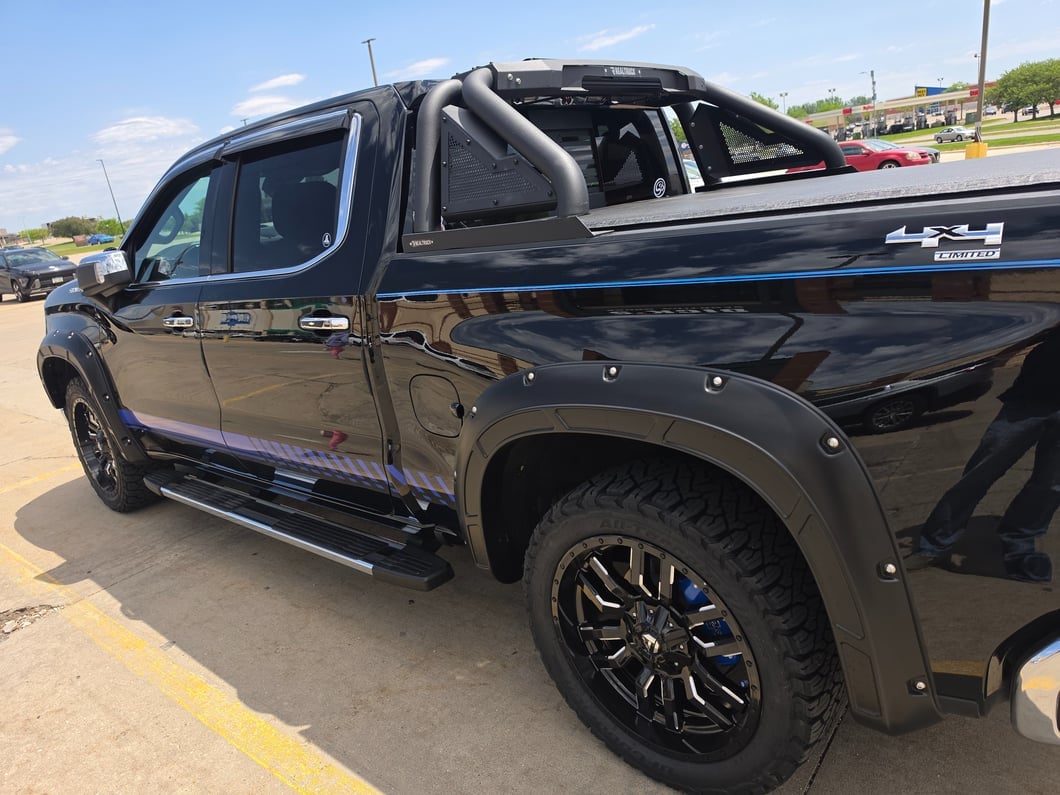
Ready to give your truck more protection, better tire coverage, and a tougher stance? We carry fender flares for every major truck platform, and our vehicle selector makes it easy to find the exact fit for your year, make, and model. Browse our full fender flare collection, pick the style that fits your build, and take advantage of free shipping on orders over $149.
Related Content
![]() Building out your truck's exterior? These guides cover the mods that pair best with fender flares:
Building out your truck's exterior? These guides cover the mods that pair best with fender flares:
Frequently Asked Questions About Fender Flares
Whether you're shopping for your first set of fender flares or replacing worn-out factory flares, these are the questions truck owners ask most often.
What Are the Different Types of Fender Flares?
The four main types of fender flares are pocket style (bolt-on with visible rivets), OE style (smooth, factory-matching), cut-out style (requires trimming the factory fender for maximum clearance), and extended/smooth style (minimal extension for near-stock trucks). Pocket style is the most popular aftermarket choice for trucks because it offers the most tire coverage and an aggressive look.
Are Fender Flares Actually Worth It?
Yes — fender flares protect your truck's paint from rocks, mud, and road debris kicked up by your tires. They also provide legal tire coverage if you've upgraded to wider wheels or added a lift kit. Beyond function, flares give your truck a wider, more aggressive stance that transforms its appearance. Most truck owners consider them one of the best value-per-dollar exterior mods available.
How Do I Know What Size Fender Flares I Need?
Measure how far your tires extend past the factory fender — that's your minimum flare width. Pocket-style flares typically add 2–3 inches of coverage, while OE-style flares add 1–1.5 inches. If you're running 33-inch or larger tires on a lifted truck, pocket-style flares are usually the right choice. Always use a vehicle-specific fitment selector to guarantee proper alignment with your truck's body lines.
Do Fender Flares Damage Truck Paint?
Properly installed fender flares actually protect your paint by deflecting debris. However, poor installation — skipping surface prep, trapping dirt, or omitting weatherstripping tape — can cause moisture buildup and damage over time. Always clean the mounting area thoroughly, apply 3M automotive tape along the contact edge, and inspect behind the flares periodically to prevent issues.
How Much Does It Cost to Have Fender Flares Installed?
Fender flare sets for trucks typically range from $150 to $500 depending on brand, style, and material. Professional installation adds $100–$200 for labor. Most pocket-style and OE-style flares are designed for DIY installation using basic hand tools, so you can save on labor costs by tackling the project yourself in 1–3 hours.
Can I Paint Fender Flares to Match My Truck?
Yes — most polypropylene and ABS fender flares are paintable. Apply an adhesion promoter first, followed by automotive primer and your truck's factory paint code color. Many owners prefer the matte black textured finish straight out of the box, which complements most truck colors and doesn't require paint matching or touch-ups after trail use.
Do You Need to Drill Holes for Fender Flares?
It depends on the style. OE-style fender flares use existing factory mounting points and require no drilling. Pocket-style flares may require drilling 2–4 small holes per fender, depending on your truck model. Cut-out flares require the most modification, including trimming the factory fender. Always check the installation requirements for your specific kit before purchasing.
What Is the Best Fender Flare Brand for Trucks?
Bushwacker is widely considered the industry leader for truck fender flares, thanks to their proprietary DuraFlex 2000 material and the broadest fitment catalog available. Rough Country and RedRock offer excellent value in the $150–$300 range. The best brand for you depends on your budget, truck model, and whether you prioritize durability, finish quality, or price.
Are Fender Flares Legal?
Fender flares are legal in all 50 states and actually help you comply with tire coverage laws. Many states require tires to be fully covered by the fender or a flare extension. If you've installed wider wheels, wheel spacers, or a lift kit that causes your tires to extend past the factory fender, adding fender flares keeps your truck street-legal.
Pocket Style vs. OE Style Fender Flares: Which Is Better?
Neither is objectively better — it depends on your build. Pocket-style flares are ideal for lifted trucks with 33-inch or larger tires because they add 2–3 inches of coverage and deliver a rugged, off-road look. OE-style flares suit daily drivers and subtle builds where you want factory-matching coverage with 1–1.5 inches of extension. Both protect paint equally well.