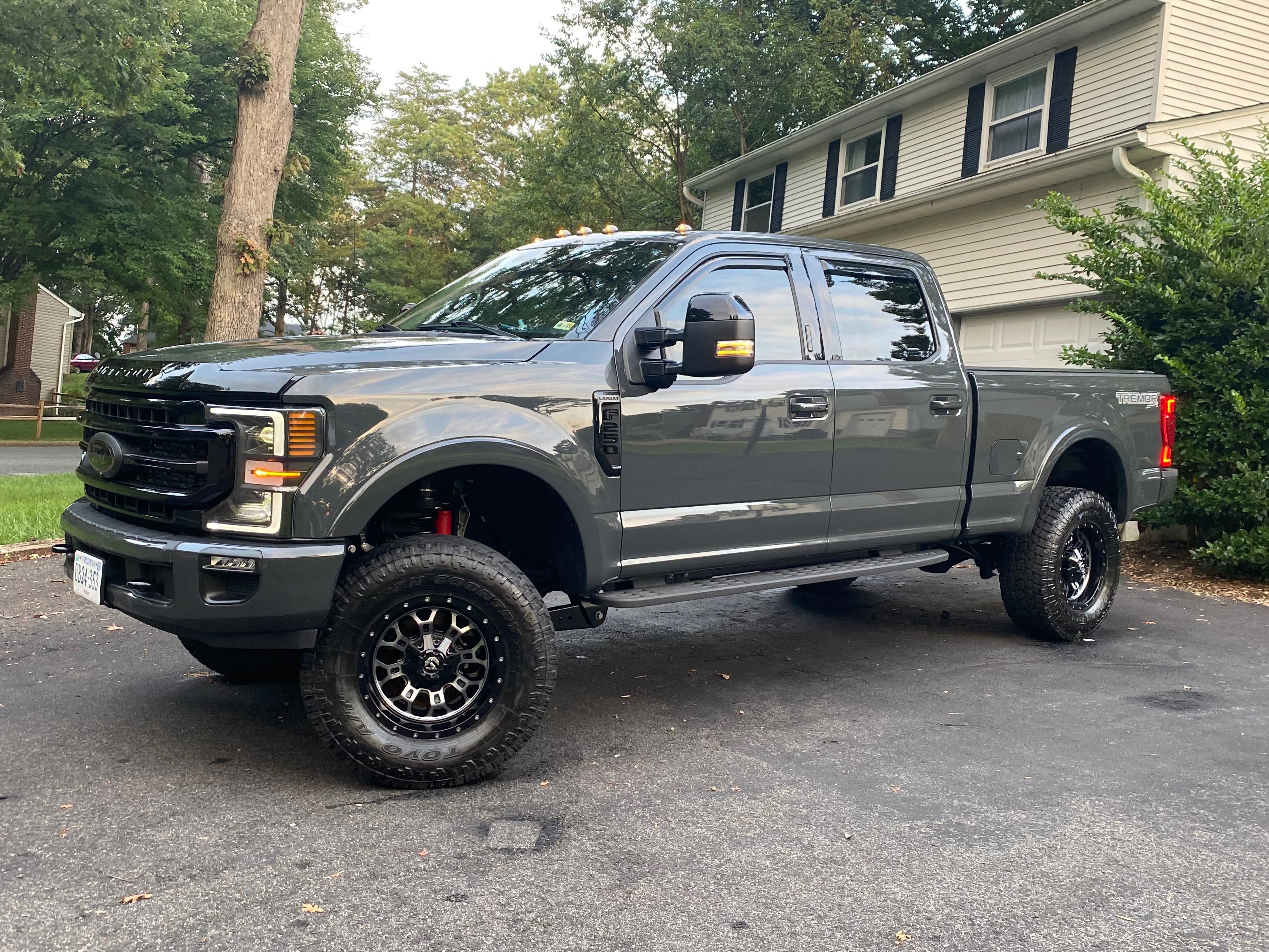
What Is a Lift Kit and Why Do Truck Owners Want One?
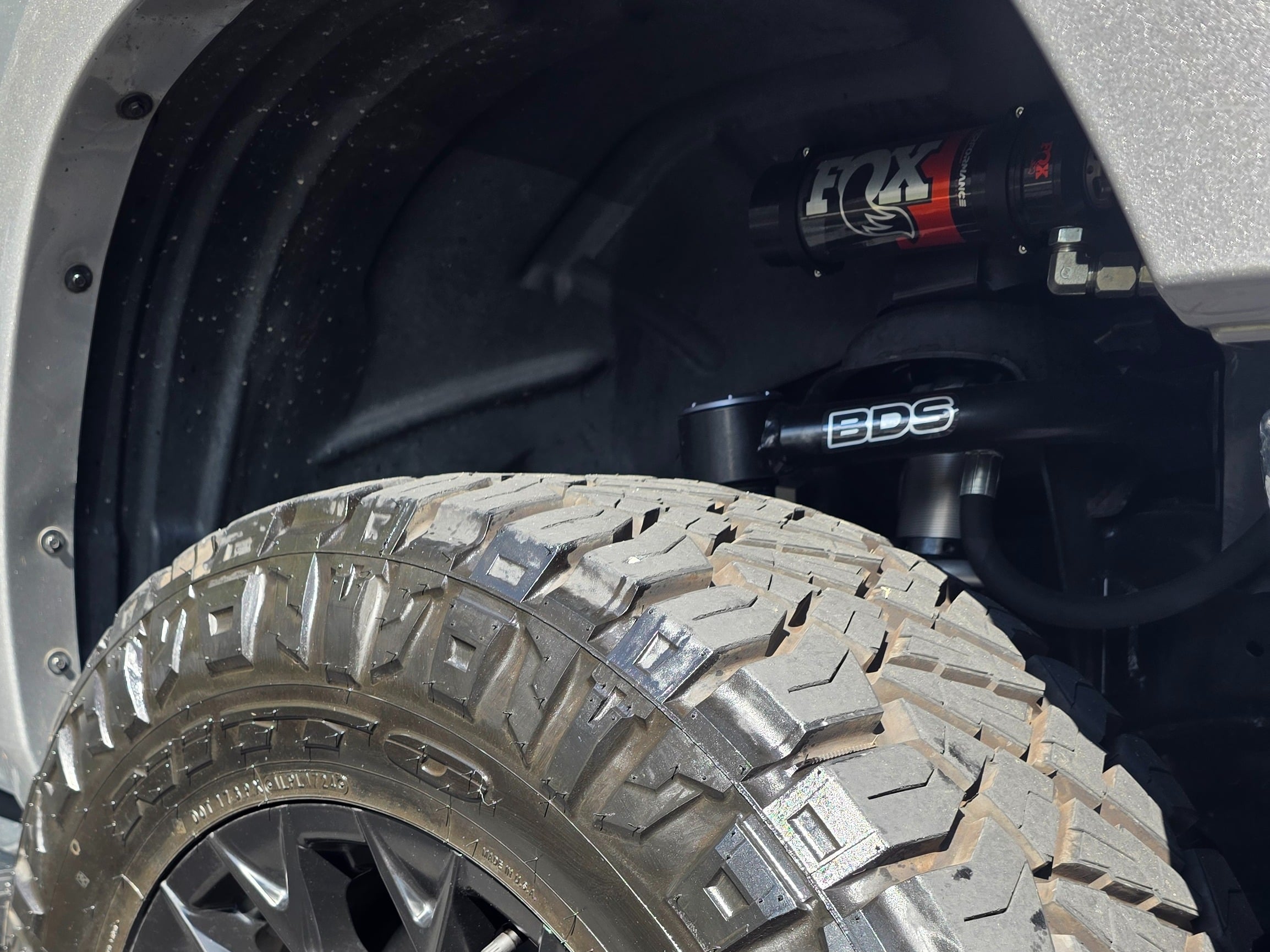
A lift kit is an aftermarket modification that raises a truck's body or suspension above its factory height, increasing ground clearance and allowing fitment of larger tires. Lift kits range from simple spacer-based leveling kits to complete suspension overhauls, with height gains from one inch to eight inches or more.
Truck owners lift their rides for three main reasons:
- Off-road capability: Extra ground clearance helps you clear rocks, ruts, and uneven terrain without scraping the undercarriage.
- Aesthetics: A lifted truck with oversized tires and aftermarket wheels delivers that aggressive, head-turning stance most enthusiasts are after.
- Functionality: Additional clearance creates room for larger tires that perform better in mud, sand, and snow, while also giving you more space underneath for skid plates and other protection.
Whether you're building a weekend trail rig, a daily driver that stands out in the parking lot, or a work truck that needs to handle rough job sites, a lift kit is one of the most impactful upgrades you can make.
Types of Lift Kits Compared: Body, Suspension, and Leveling
The three main types of lift kits — body lifts, suspension lifts, and leveling kits — differ in how they raise your truck and what they cost. Body lifts use spacers between the frame and body to add 1 to 3 inches of height for $200 to $1,000, while suspension lifts replace or modify suspension components for 2 to 8+ inches of true ground clearance at $1,000 to $5,000+. Leveling kits correct the factory front-to-rear rake with spacers or torsion key adjustments for $200 to $600, giving you a level stance without a full lift.
Body Lift Kits
Body lift kits work by placing blocks or spacers between the truck's body and its frame. The frame, suspension, and drivetrain stay at their stock height — only the body moves up. This creates enough room to fit larger tires without modifying the suspension geometry.
- Budget-friendly: Body lifts typically cost $200 to $1,000 for parts, making them one of the most affordable ways to gain tire clearance.
- Simpler installation: Most body lifts can be completed in a home garage with basic hand tools, and they don't require suspension alignment afterward.
- No ground clearance gain: Because the frame stays at stock height, you won't gain actual ground clearance underneath — only visual height and tire room.
- Visible gap: Body lifts can create a noticeable gap between the body and frame that some owners find unappealing, especially without gap guards.
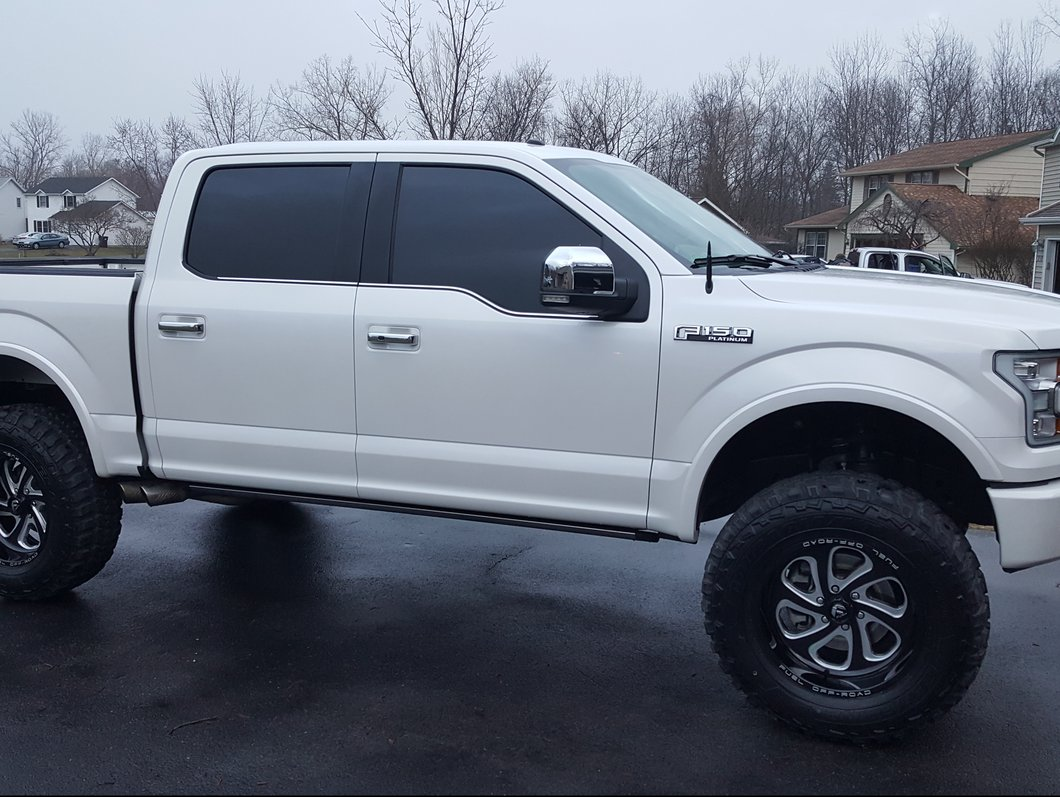
Suspension Lift Kits
Suspension lift kits replace or modify the truck's suspension components — springs, shocks, control arms, and sometimes the entire front knuckle assembly. This raises the frame itself, delivering true ground clearance gains along with the visual height increase.
- Real ground clearance: Suspension lifts raise the entire undercarriage, improving approach angles, departure angles, and obstacle clearance for serious off-road use.
- Greater height range: You can achieve anywhere from 2 inches to 8+ inches of lift, depending on the kit and your goals.
- Higher cost: Expect to spend $1,000 to $5,000+ on parts alone, plus professional installation if you're not comfortable with advanced suspension work.
- Ride quality impact: Cheaper suspension lifts can result in a stiffer ride. Quality kits from reputable brands are engineered to maintain or even improve ride quality.
For a deeper look at how these systems differ, check out our comparison of lift kits vs. leveling kits and our guide to off-road suspension basics.
Leveling Kits
Leveling kits are designed to correct the factory rake — the slight downward angle from rear to front — that most trucks ship with from the factory. By raising the front end 1 to 2.5 inches with spacers, strut extensions, or torsion key adjustments, a leveling kit gives your truck a balanced, level stance.
Leveling kits are best for owners who want a cleaner look and a bit more room for slightly larger tires without the complexity or cost of a full lift. They're popular among daily drivers and tow rig owners who don't need aggressive off-road clearance but want their truck to look sharp and sit even.
| Type |
Height Range |
Cost (Parts) |
Ground Clearance Gain |
Best For |
| Body Lift |
1 - 3 inches |
$200 - $1,000 |
None (body only) |
Budget tire clearance |
| Suspension Lift |
2 - 8+ inches |
$1,000 - $5,000+ |
Full undercarriage |
Off-road performance |
| Leveling Kit |
1 - 2.5 inches |
$200 - $600 |
Minimal (front only) |
Level stance, mild tire upgrade |
Pros of Lifting Your Truck
The main advantages of lifting your truck include improved off-road capability with better ground clearance and approach angles, the ability to fit larger tires and wheels for an aggressive custom look, better forward visibility on the road, more clearance for towing setups, and potentially higher resale value within the enthusiast market.
Improved Off-Road Capability
This is the reason most people lift their trucks in the first place. A suspension lift raises your frame, axles, and differentials away from the ground, which means rocks, stumps, and trail obstacles are less likely to make contact with critical components. A 4-inch suspension lift can add meaningful improvements to your approach angle (the steepest incline you can climb without the front bumper hitting) and departure angle (the steepest decline you can descend without dragging the rear).
Pair that extra clearance with larger, more aggressive tires, and you've got a truck that can handle trails, mud pits, and washboard roads that would leave a stock-height truck struggling.
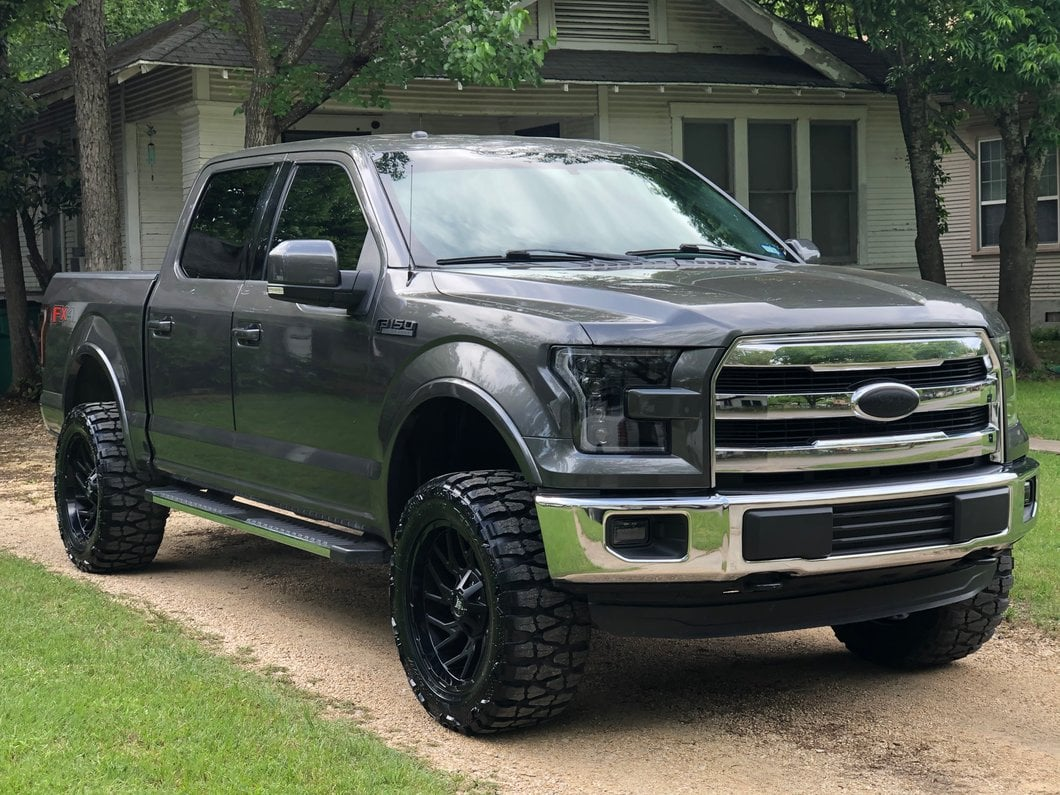
For more on this topic, read our breakdown of how lift kits improve off-road capability.
Enhanced Appearance and Customization
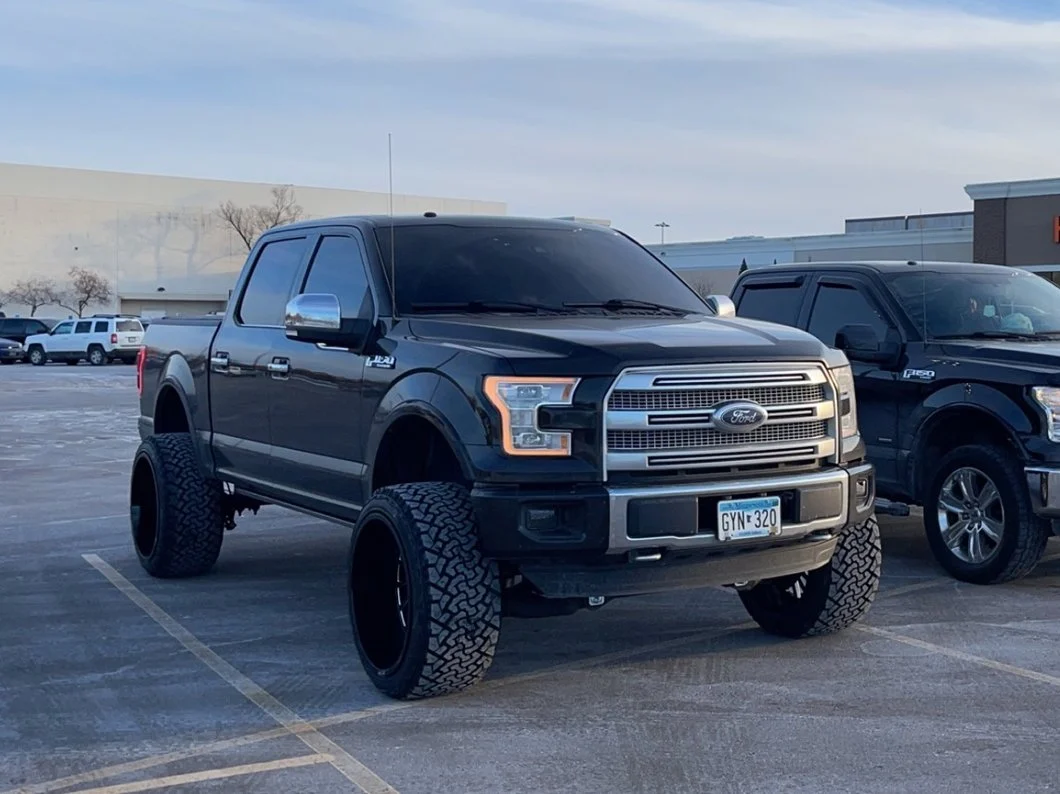
A lifted truck makes a statement. The added height opens up room for bigger wheels and wider tires, giving your truck that aggressive, planted stance that turns heads. Many owners use a lift as the foundation for a full build — combining it with aftermarket bumpers, fender flares, and lighting to create a truck that's uniquely theirs. If you're interested in the visual impact, take a look at how upgrading your wheels can change the entire character of your truck.
Better Visibility on the Road
Sitting higher gives you a better vantage point in traffic. You can see further ahead, spot hazards sooner, and generally feel more confident navigating crowded highways and intersections. For owners who spend a lot of time on the road, that improved sightline is a real everyday benefit.
Increased Towing Clearance
If you tow trailers, boats, or equipment, a lift can give you extra clearance between your rear bumper and the ground when the truck squats under a load. This is especially useful for gooseneck and fifth-wheel setups where tongue weight pushes the rear down. A leveling kit or mild suspension lift can help keep your truck level and your headlights properly aimed while towing.
Higher Resale Value Among Enthusiasts
A well-executed lift — using quality components and professional installation — can increase your truck's appeal on the resale market. Enthusiast buyers often seek out trucks that are already built, and a clean lift with matching wheels and tires can command a premium over a stock-height equivalent. The key word is "well-executed" — cheap lifts with worn-out components can have the opposite effect.
Cons of Lifting Your Truck
The drawbacks of lifting your truck include reduced fuel economy (typically 1 to 3 MPG), accelerated wear on drivetrain and steering components, a higher center of gravity that increases rollover risk, higher upfront and ongoing maintenance costs, and potential complications with your factory warranty and insurance rates.
Reduced Fuel Economy
This is one of the most common trade-offs. Lifting your truck increases aerodynamic drag — there's more surface area catching wind underneath — and most owners pair a lift with larger, heavier tires that create additional rolling resistance. The result is a 1 to 3 MPG loss compared to stock, depending on lift height and tire size. On a truck that already gets 18 to 22 MPG highway, that's a noticeable hit at the pump over time.
For a detailed look at how modifications affect your mileage, check out our article on the fuel economy impact of lifted trucks.
Increased Wear on Drivetrain Components
Raising your truck changes the operating angles of drivetrain components. U-joints, CV joints, and tie rod ends all work harder when the suspension geometry is altered. Over time, this added stress can lead to premature wear, vibrations, and the need for earlier replacement. Quality lift kits often include components designed to correct these angles, but budget kits may skip those corrections, accelerating wear even faster.
Higher Center of Gravity and Rollover Risk
Every inch you lift your truck raises its center of gravity. A higher center of gravity means the truck is more prone to body roll in sharp turns and, in extreme cases, has an increased rollover risk. This doesn't mean lifted trucks are unsafe, but it does mean you need to adjust your driving habits — particularly on highway on-ramps, wet roads, and in emergency maneuvers. Wider tires and aftermarket sway bars can help offset some of this effect.
Higher Upfront and Maintenance Costs
Beyond the initial cost of the lift kit and installation, lifted trucks tend to cost more to maintain. Larger tires are more expensive to replace. Alignment services may cost more due to modified geometry. And if components like extended brake lines, longer shocks, or drop brackets wear out, the replacement parts are typically pricier than their stock equivalents. For a full breakdown, read our guide on the cost to lift a truck.
Warranty and Insurance Considerations
Many truck owners worry that a lift kit will void their factory warranty, but it's not that simple. The Magnuson-Moss Warranty Act prevents manufacturers from voiding your entire warranty just because you've installed aftermarket parts. However, if a dealer can demonstrate that your lift kit directly caused a failure — a worn ball joint due to altered geometry, for example — they can deny that specific claim. The takeaway: keep your installation records and use reputable, well-engineered lift kits to minimize disputes.
On the insurance side, a lifted truck may see higher premiums. Some insurers view lifted vehicles as higher-risk due to the raised center of gravity and increased repair costs. It's worth calling your insurance provider before you install a lift to understand how your rates might change.
How to Choose the Right Lift Kit for Your Truck
Picking the right lift kit starts with understanding how you use your truck. Ask yourself three questions: Do you need serious off-road clearance, or do you just want a better-looking stance? What size tires do you want to run? And what's your budget for both the kit and installation?
- Daily drivers and mild builds: If you're mostly on pavement and want a level look with room for slightly larger tires, a leveling kit or a 1 to 2-inch lift kit is the sweet spot. You'll keep a comfortable ride and reasonable fuel economy.
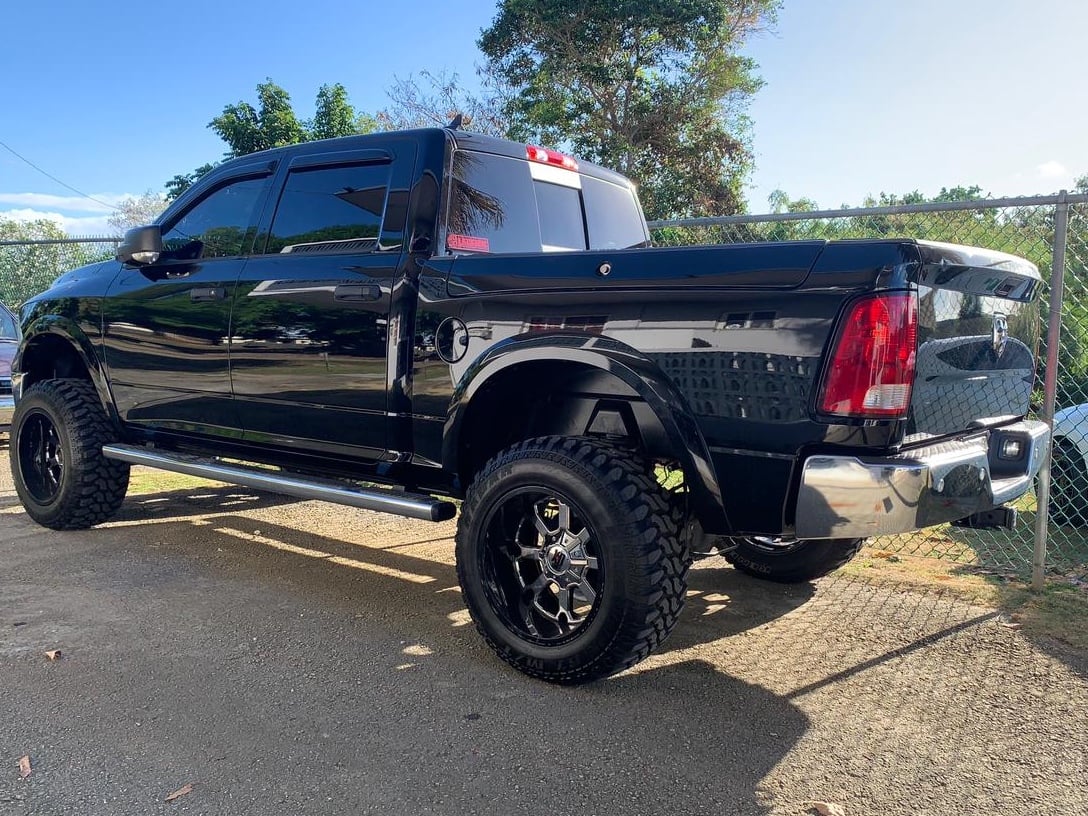
- Weekend wheelers and trail trucks: For owners who hit the trails regularly, a 3 to 5-inch suspension lift gives you meaningful clearance without making the truck impractical for daily use. This range opens the door to 33- to 35-inch tires on most platforms.
- Serious off-road builds: If you're building a dedicated off-road rig, a 6 to 8-inch lift kit paired with 35- to 37-inch tires will give you maximum clearance and capability. Just be prepared for the added cost, maintenance, and changes to ride behavior.
When it comes to matching lift kits to specific truck models, your options vary by platform. F-150 owners have one of the largest selections of lift kit options available, while Silverado and Sierra owners benefit from shared GM architecture with plenty of crossover compatibility. Ram 1500 owners should pay attention to whether their truck runs the coil-spring rear or the air suspension system, as this affects which kits will work.
No matter what truck you drive, always match your lift height to your tire size goals. Running tires that are too large for your lift can cause rubbing, and a lift without appropriately sized tires leaves performance on the table. For help figuring out the right combination, check our guide to choosing the right lift height.
Ready to start browsing? Explore our full selection of lift kits and larger tires to find what fits your truck and your goals.
Lifting your truck is one of the most rewarding modifications you can make — when you do it right. Now that you know the pros, the cons, and the differences between lift kit types, you're in a solid position to make a smart decision. Browse our full lineup of lift kits to find the right fit for your truck, your driving style, and your budget.
Related Content
Frequently Asked Questions About Lifting Your Truck
Truck owners considering a lift kit often have questions about cost, performance, and long-term impact. Here are the most common questions answered.
Does Lifting a Truck Devalue It?
A quality lift kit installed by a reputable shop typically does not devalue a truck, and it can increase resale value among off-road enthusiasts. However, extreme or poorly executed lifts may narrow your buyer pool. Factory and brand-name suspension lift kits tend to hold value better than budget body lifts or custom fabrication work.
Do Lifted Trucks Get Worse Gas Mileage?
Yes, lifted trucks generally lose 1 to 3 miles per gallon compared to stock configuration. The reduction comes primarily from larger, heavier tires and increased aerodynamic drag at highway speeds. A modest 2-inch leveling kit has minimal fuel impact, while a 6-inch suspension lift with 35-inch tires produces the most noticeable drop in fuel economy.
Is Lifting a Truck Worth the Cost?
Lifting is worth the cost if you regularly drive off-road, need additional ground clearance for your terrain, or want the aggressive look a lift provides. Body lift kits start around $200 to $1,000, while suspension lifts range from $1,000 to $5,000 including installation. Evaluate your driving needs, budget, and willingness to accept trade-offs like reduced fuel economy before committing.
Does Lifting Your Truck Cause Transmission Problems?
Lifting a truck does not directly damage the transmission, but it changes driveshaft angles that can accelerate wear on U-joints, CV joints, and transfer case components over time. Suspension lifts of 4 inches or more often require adjustable control arms or driveshaft spacers to maintain proper geometry and prevent premature drivetrain wear.
What Is the Difference Between a Body Lift and a Suspension Lift?
A body lift uses spacers between the frame and body to raise the cab 1 to 3 inches without changing suspension geometry, costing $200 to $1,000. A suspension lift replaces or modifies suspension components to raise the entire vehicle 2 to 12 inches, improving ground clearance and off-road capability but costing $1,000 to $5,000 or more.
Is a Leveling Kit Better Than a Lift Kit?
A leveling kit is better if you want to eliminate factory front-to-rear rake and fit slightly larger tires without major modifications. Leveling kits cost $200 to $600 and raise the front 1.5 to 2.5 inches. A full lift kit is better for serious off-roading, maximum ground clearance, and dramatic appearance changes that a leveling kit cannot achieve.
Does a Lift Kit Void Your Truck's Warranty?
An aftermarket lift kit does not automatically void your entire warranty, but it can void coverage on components affected by the modification under the Magnuson-Moss Warranty Act. Factory-approved lift kits and dealer-installed kits typically preserve warranty coverage. Always consult your dealer and review your warranty terms before installing an aftermarket lift.
Does Lifting a Truck Affect Insurance Rates?
Lifting a truck can increase insurance premiums because the modification raises the vehicle's value and may increase liability risk due to a higher center of gravity. Notify your insurance provider before installing a lift kit, as failing to disclose modifications could result in denied claims. Rate increases vary by insurer but are typically modest for standard lift heights.