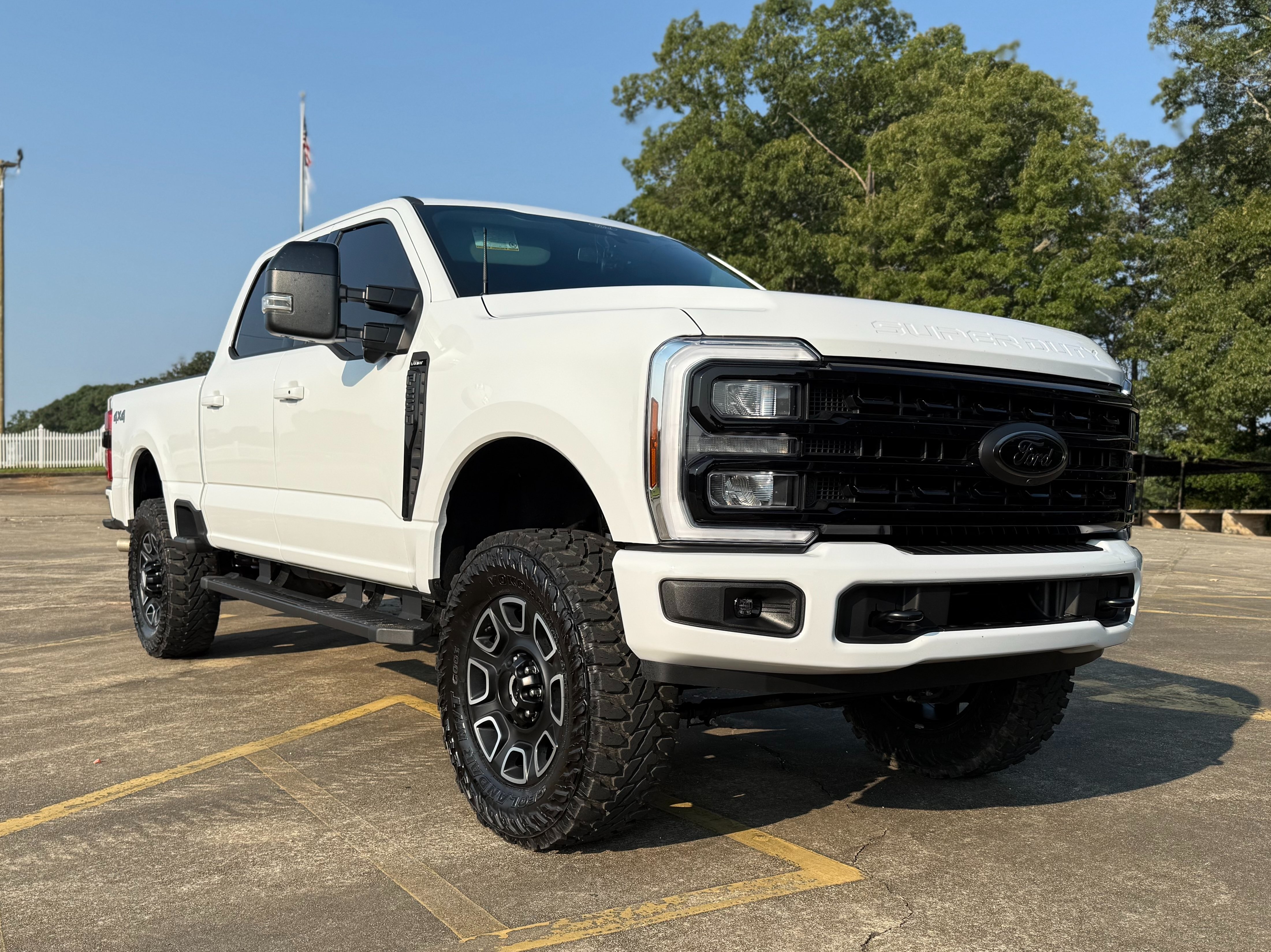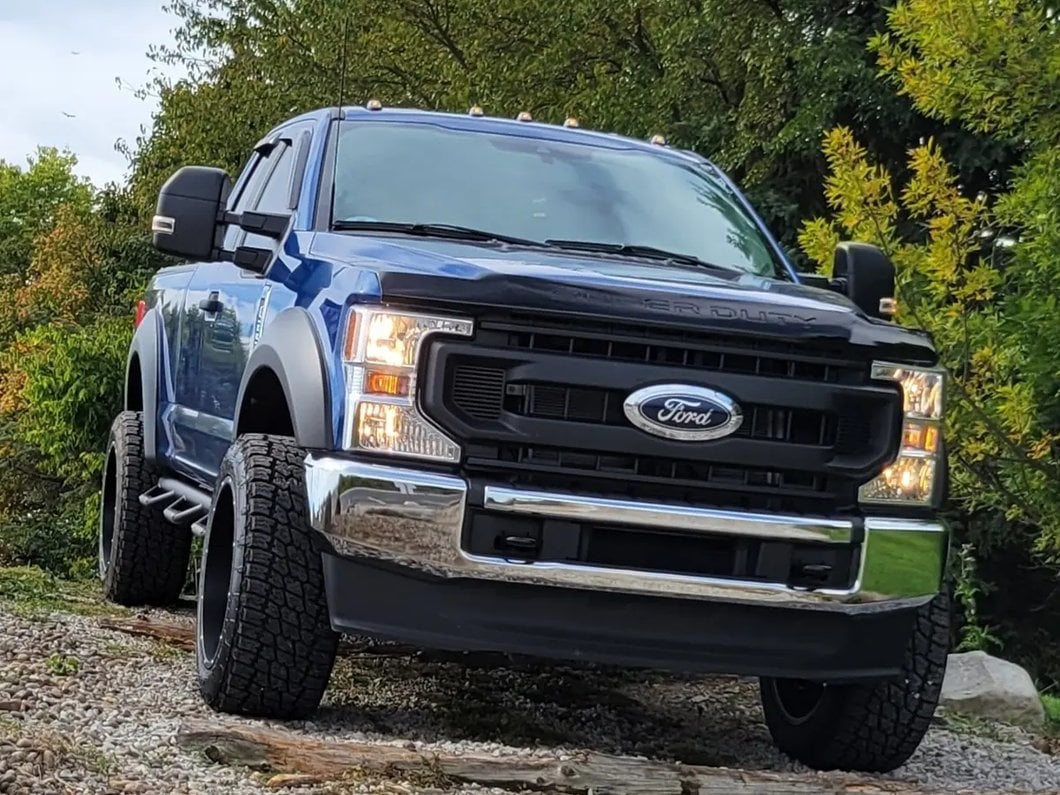
If you're looking to change the stance of your truck, you've probably run into the same crossroads every truck owner hits: do you go with a leveling kit or a full lift kit? Both raise your truck, but they do it in very different ways, at very different price points, and for very different reasons. The right choice depends on how you actually use your truck — whether that's daily driving, towing, weekend trail running, or building a head-turning show rig. We'll break down everything you need to know so you can make the call with confidence.
What Is a Leveling Kit?
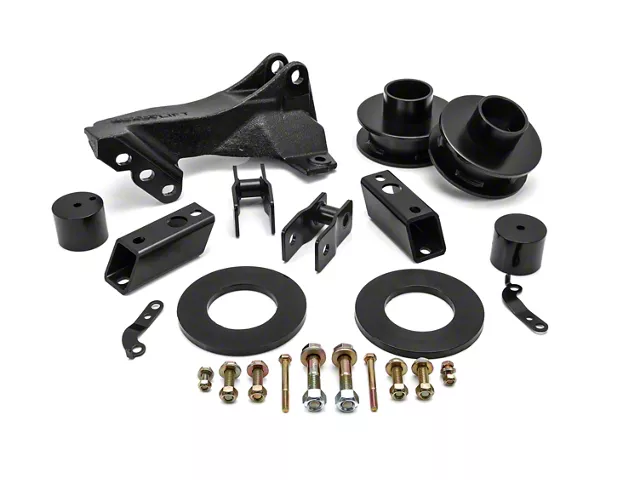
A leveling kit is a suspension spacer that raises the front of your truck 1 to 2.5 inches to match the rear ride height, eliminating the factory nose-down rake that most pickup trucks ship with from the factory. Leveling kits are one of the simplest and most affordable ways to change your truck's stance and open the door to slightly larger tires.
Most trucks come from the factory with the front end sitting lower than the rear. That rake isn't a flaw — manufacturers design it so the truck sits level when you load up the bed or hook up a trailer. But when you're running empty, that nose-down look can bother you. A leveling kit fixes that by bringing the front up to meet the rear.
There are a few types of leveling kits you'll come across:
- Strut spacers: Aluminum or polyurethane pucks that sit on top of the front strut assembly. These are the most common type for trucks like the F-150 and Ram 1500.
- Coil spring spacers: Similar concept, but designed for trucks with coil-spring front suspensions. They sit on top of or underneath the coil spring.
- Torsion keys: Used on trucks with torsion bar front suspensions, like many GM trucks. Aftermarket torsion keys replace the factory keys and allow you to dial in more front lift by adjusting the torsion bar tension.
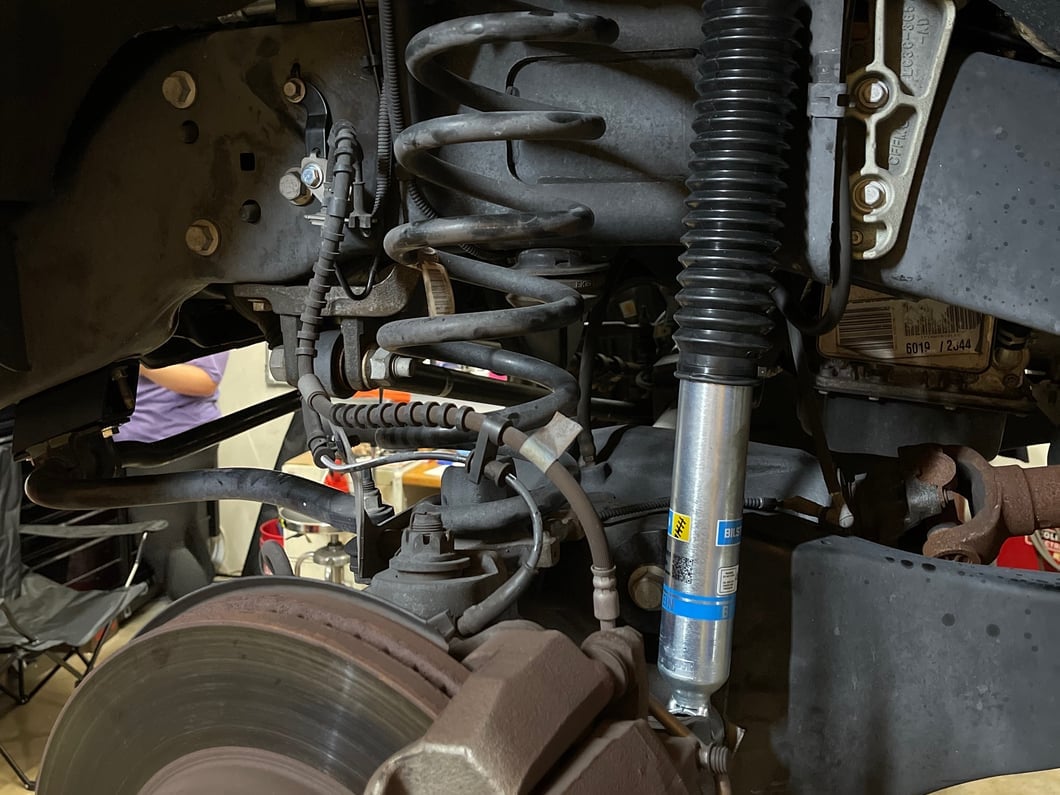
A leveling kit is a great starting point if you want to improve your truck's appearance without getting into a complex suspension overhaul. Most kits install in about an hour with basic hand tools, and you can usually handle the job in your own garage.
What Is a Lift Kit?
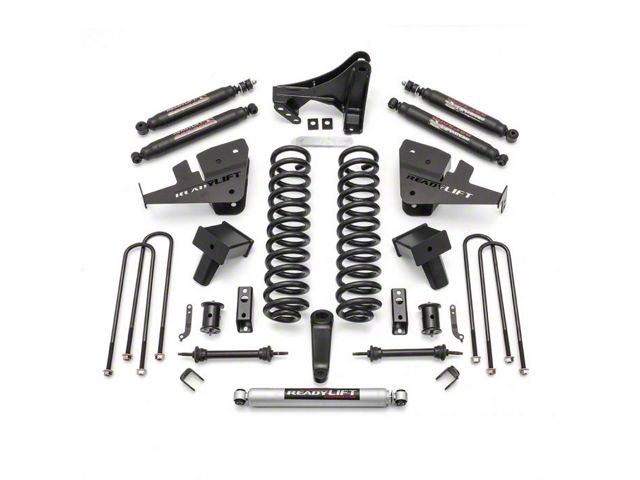
A lift kit is a comprehensive suspension upgrade that raises both the front and rear of your truck anywhere from 2 to 12 inches, providing increased ground clearance, room for oversized tires, and improved off-road capability. Unlike a leveling kit, a lift kit transforms the entire suspension geometry of your truck.
When you start shopping for truck lift kits, you'll find two main categories:
- Body lift kits: These use spacers between the body and frame to raise the body 1 to 3 inches without changing suspension geometry. You get room for larger tires without altering ride quality, but you don't gain any extra ground clearance underneath the frame. Body lifts are more affordable and easier to install, but they're limited in what they can do.
- Suspension lift kits: These replace or modify key suspension components — springs, shocks, control arms, and sometimes brake lines and driveshaft components — to raise the entire truck. Suspension lifts give you both the look and the function, with real gains in ground clearance and articulation for off-road use.
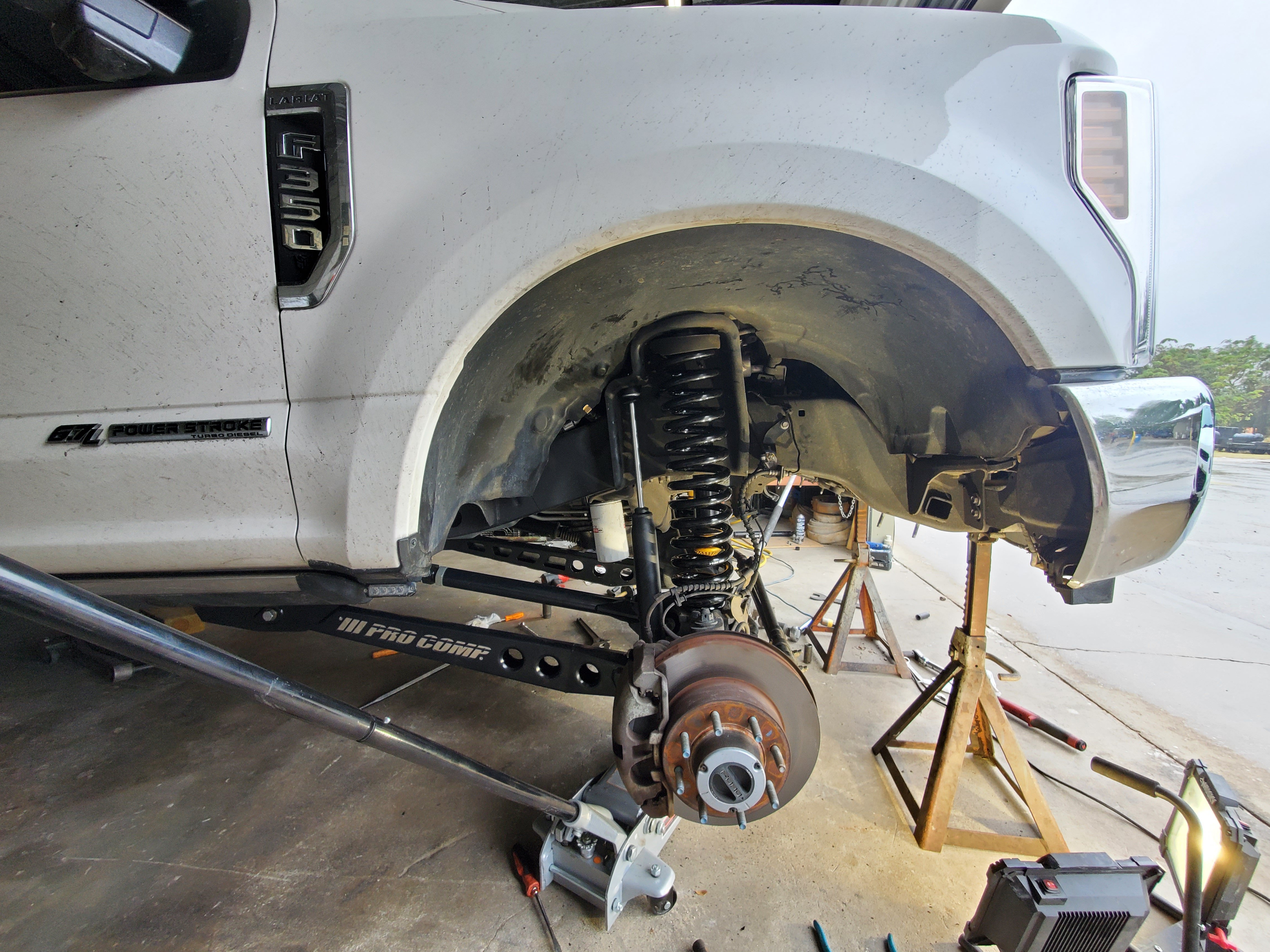
A full suspension lift kit at 4 inches or more can include a long list of components: upgraded coil springs or leaf springs, performance shocks, extended brake lines, new control arms, sway bar links, and sometimes driveshaft spacers. The bigger the lift, the more components you'll need to keep everything working safely and reliably. You can learn more about how lift kits improve off-road capability in our tech guide.
Lift Kit vs Leveling Kit: Key Differences
The main difference between a lift kit and a leveling kit is scope: a leveling kit raises only the front 1 to 2.5 inches to eliminate factory rake, while a lift kit raises both front and rear 2 to 12 inches with a full truck suspension overhaul for ground clearance and off-road performance.
Here's how the two stack up side by side:
| Feature |
Leveling Kit |
Lift Kit |
| Height Increase |
1 to 2.5 inches (front only) |
2 to 12 inches (front and rear) |
| Cost (Parts) |
$50 to $300 |
$400 to $5,000+ |
| Install Time |
1 to 2 hours |
4 to 8+ hours |
| Tire Fitment |
Up to 33 to 35 inches |
Up to 37 to 40+ inches |
| Components |
Spacers, torsion keys |
Springs, shocks, control arms, brake lines, etc. |
| Ride Quality Impact |
Minimal |
Moderate to significant |
| Best For |
Daily driving, mild off-road, towing |
Serious off-road, show trucks, max clearance |
The comparison table makes one thing clear: leveling kits and lift kits aren't really competing products. They're different tools for different goals. A leveling kit is a quick cosmetic and functional tweak; a lift kit is a full-blown suspension transformation.
Pros and Cons of a Leveling Kit
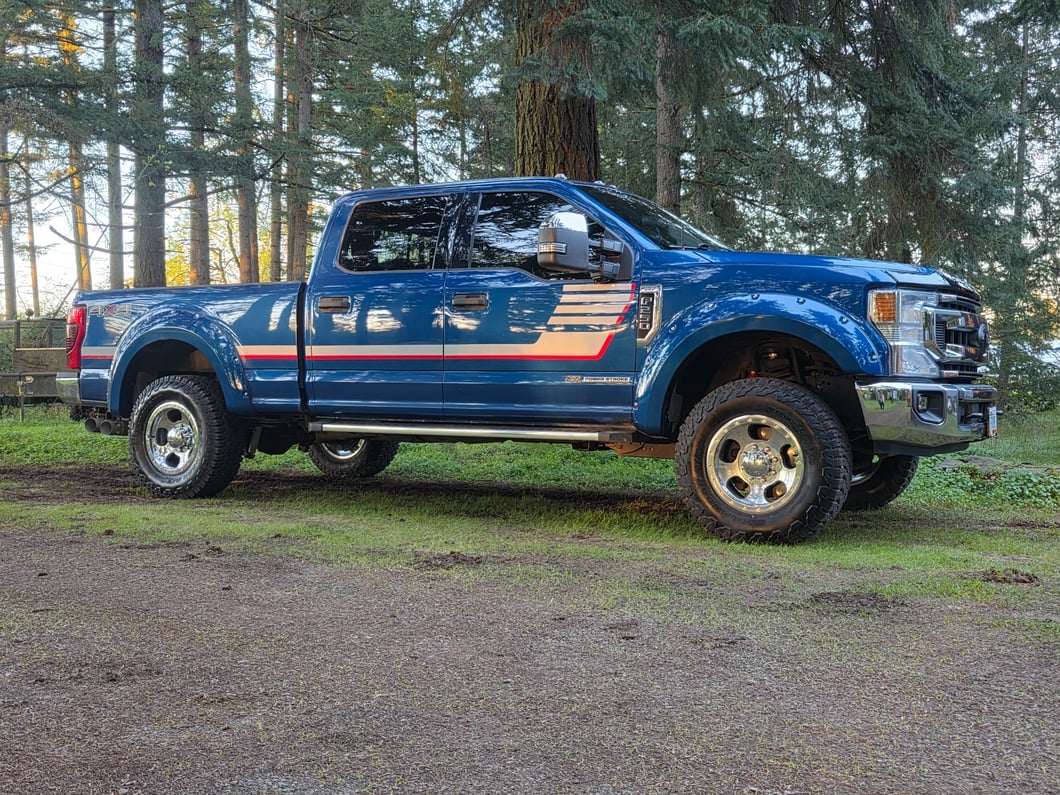
Pros
- Affordable entry point: Most leveling kits fall in the $50 to $300 range for parts, making this one of the most budget-friendly mods you can do.
- Quick install: You can knock out most leveling kit installs in an hour or two in your driveway with basic tools. No specialty equipment required.
- Eliminates factory rake: That nose-down stance disappears, giving your truck a more aggressive, balanced look right away.
- Fits slightly larger tires: A leveling kit opens up enough room to run 33-inch or even 35-inch tires depending on your truck, giving you a noticeable upgrade in stance.
- Maintains factory ride quality: Since you're adding spacers rather than replacing suspension components, you keep the factory ride feel with minimal change.
Cons
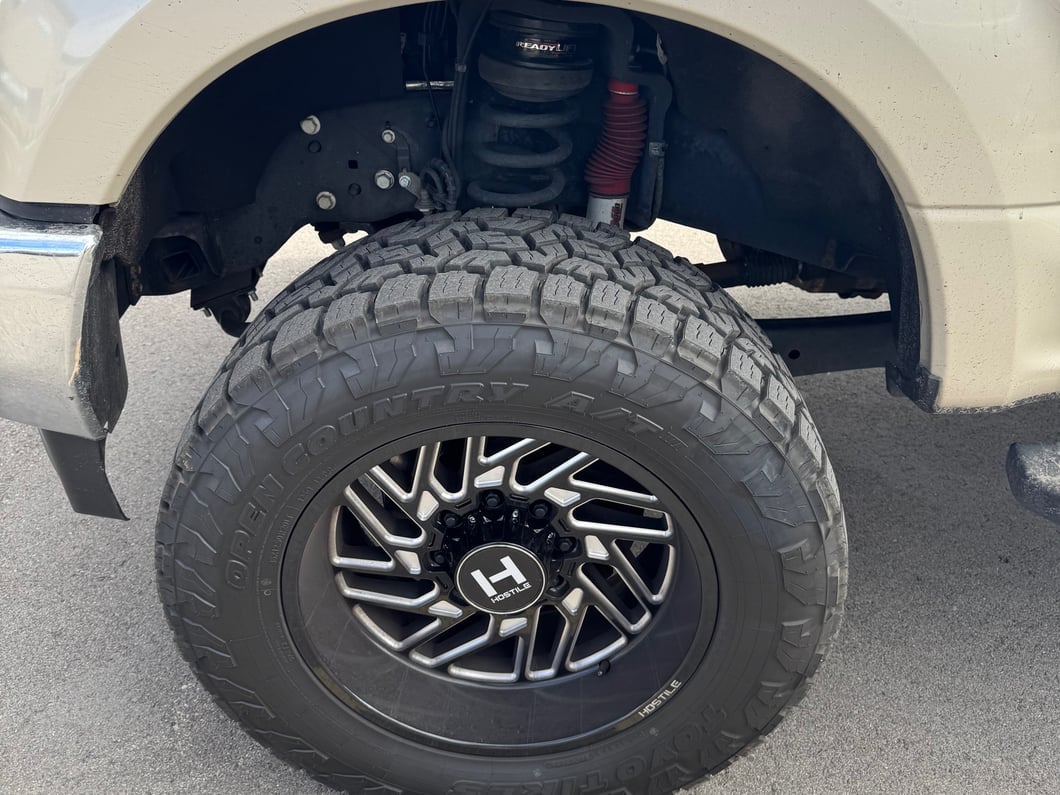
- Front-only lift: A leveling kit only raises the front, so you don't gain any additional ground clearance at the rear or under the frame.
- Limited tire size increase: You're generally capped at 33 to 35 inches depending on the truck, which may not be enough if you're going for an aggressive off-road setup.
- May still look stock: A 2-inch level is subtle. If you want people to notice your truck from across the parking lot, a leveling kit alone might not get you there.
- Not built for serious off-road: You don't gain the ground clearance, wheel travel, or articulation you need for rock crawling, deep ruts, or heavy trail work.
Pros and Cons of a Lift Kit
Pros
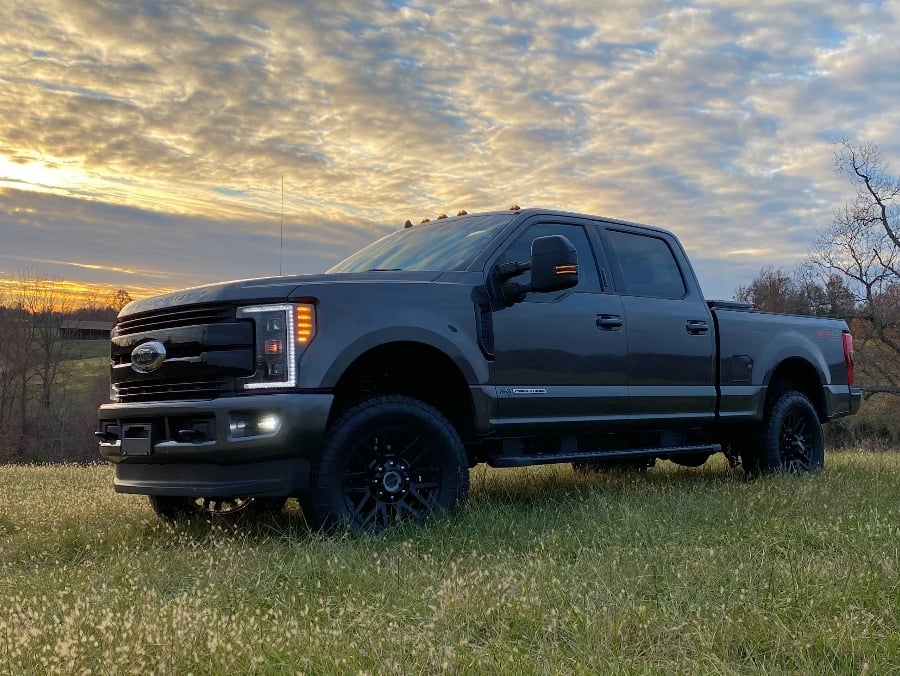
- Maximum ground clearance: A lift kit raises the entire truck, giving you real clearance under the axles and frame for obstacles, rocks, and uneven terrain.
- Fits oversized tires: Lifts of 4 inches or more let you run 35-inch to 40-inch tires, which dramatically improve traction and off-road capability.
- Serious off-road performance: A suspension lift improves wheel travel and articulation, letting your wheels stay planted on uneven ground.
- Aggressive, head-turning stance: Nothing changes the look of a truck like a proper lift. If you're building a show truck or want maximum presence on the road, this is how you get there.
Cons
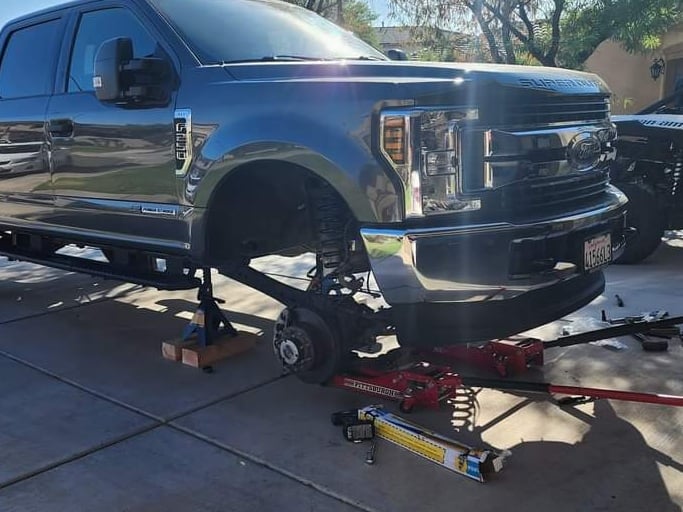
- Expensive: Between the kit itself ($400 to $5,000+), professional installation, new tires and wheels, and an alignment, you can easily be in for several thousand dollars.
- Complex installation: Anything over 4 inches usually requires professional installation with specialty tools. You're looking at 4 to 8+ hours of labor.
- Fuel economy drop: Larger tires, increased weight, and changed aerodynamics mean a noticeable drop in fuel economy. Bigger lifts with oversized tires see the steepest losses.
- Higher center of gravity: A lifted truck handles differently than a stock truck. Cornering and highway stability change noticeably, especially at 6 inches or above.
- May need regearing: Oversized tires can strain your drivetrain. With 35-inch or larger tires, you may need to regear your axles to restore proper power delivery and shift points.
How Much Does a Leveling Kit Cost vs a Lift Kit?
A leveling kit typically costs $50 to $300 for parts and is one of the most affordable suspension mods available, while a lift kit ranges from $400 to $5,000+ for parts alone — and the total investment grows significantly once you add professional installation, larger tires, and supporting upgrades.
Leveling Kit Costs
- Parts: $50 to $300 for the kit itself, depending on the type and brand.
- Installation: Most leveling kits are DIY-friendly with basic hand tools. If you take it to a shop, professional install is straightforward and relatively affordable.
- Alignment: You'll need an alignment after any suspension change — budget for that as an additional line item.
- Total budget: A leveling kit is one of the highest-impact, lowest-cost mods for your truck. Parts, install, and alignment together keep you well under what a lift kit demands.
Lift Kit Costs
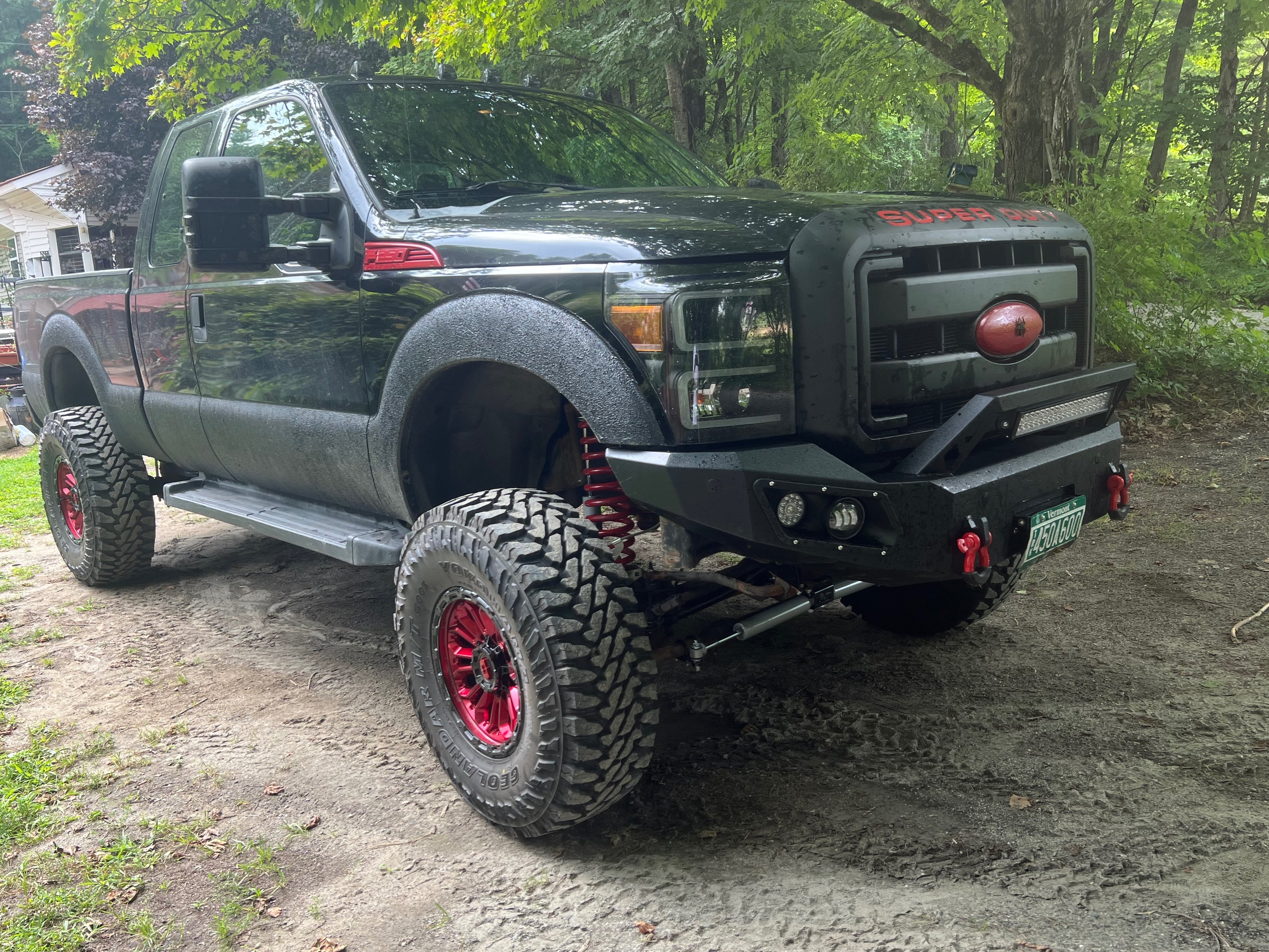
- Parts: $400 to $5,000+ depending on lift height and quality. A basic 2 to 3-inch lift sits at the lower end; a full 6-inch suspension lift with performance shocks and long-travel arms pushes toward the top.
- Installation: Professional installation is recommended for anything 4 inches and above. Expect the labor to add meaningfully to your total — larger lifts require more time and expertise.
- Additional costs: Larger tires, new wheels if needed, alignment, and potential regearing for big tire setups all add to the final number. The bigger you go, the more supporting mods you'll need.
- Total budget: A modest 2 to 3-inch lift with stock-size tires keeps costs manageable, while a fully built-out 6-inch setup with oversized tires, wheels, and regearing can climb into the thousands. Plan your budget around the full picture, not just the kit price.
If you want a deeper look at the full cost picture, check out our guide on picking the right lift height for your truck.
Does a Lift Kit or Leveling Kit Affect Gas Mileage?
A leveling kit has minimal to no impact on gas mileage if you keep your stock tire size, while a lift kit with larger tires noticeably reduces fuel economy due to increased rolling resistance, added weight, and changed aerodynamics.
Here's the thing: the suspension mod itself isn't what kills your MPG — it's the bigger, heavier tires you run afterward. A leveling kit with stock-size tires won't change your fuel economy in any meaningful way. But once you start running 33-inch or 35-inch tires on a leveled truck, you'll notice a small dip.
With a full lift kit and oversized tires (35 inches and up), expect a more noticeable hit. The combination of heavier tires, increased aerodynamic drag from the taller profile, and additional rotational mass all work against your fuel economy. If you're lifting 6 inches and running 37-inch or 40-inch tires, you should be prepared for a meaningful change at the pump.
This is worth considering if your truck is a daily driver with a long commute. For weekend rigs and dedicated off-road builds, most owners accept the fuel economy tradeoff as the cost of doing business.
What Size Tires Can You Run?
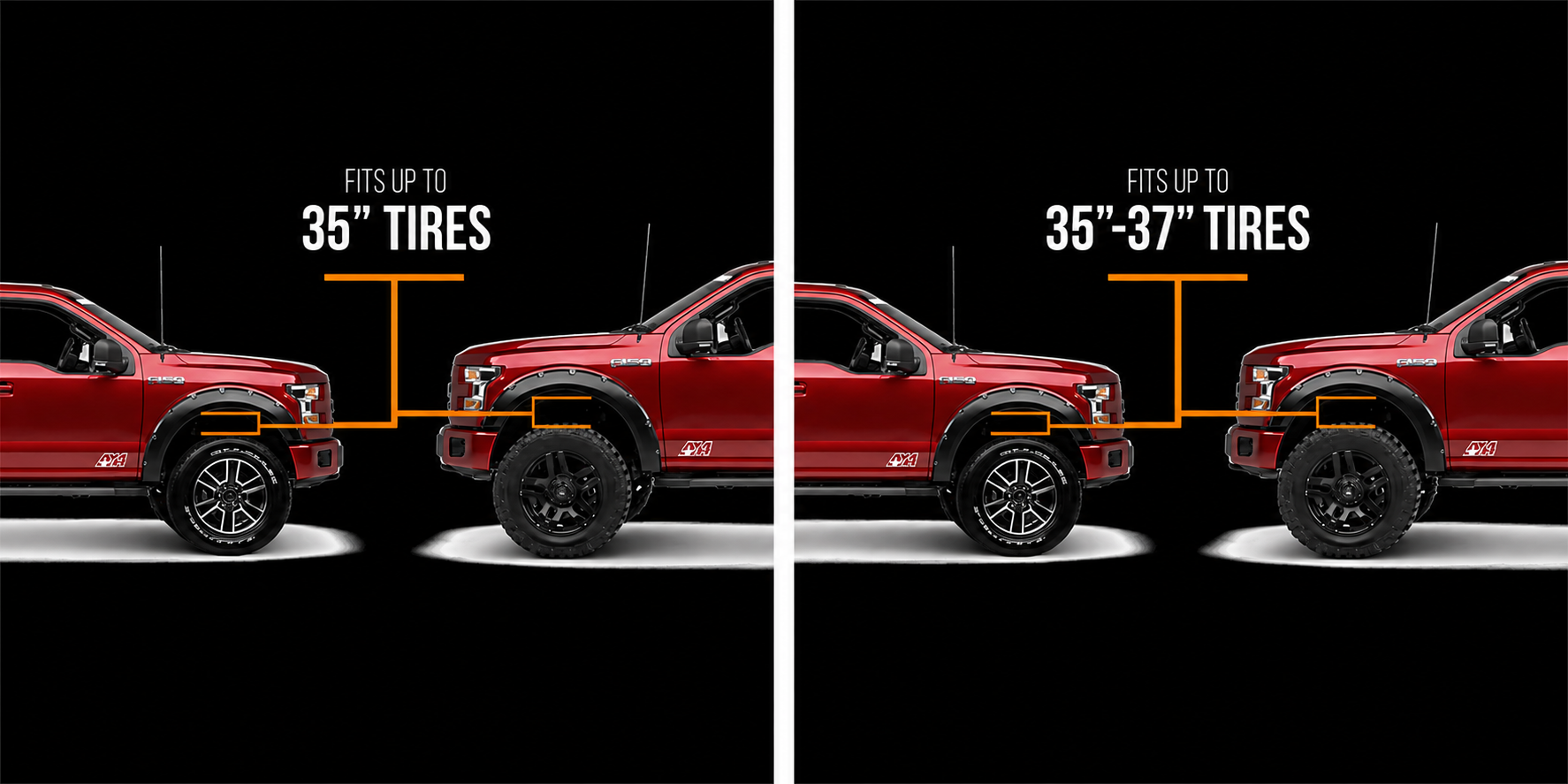
With a leveling kit, you can typically fit 33-inch to 35-inch tires. A 2 to 4-inch lift kit accommodates 33-inch to 35-inch tires comfortably, a 4 to 6-inch lift opens the door to 35-inch to 37-inch tires, and lifts above 6 inches can clear 37-inch to 40-inch-plus tires.
Tire fitment is one of the biggest reasons people level or lift their trucks. Here's a general guide based on lift height:
- Leveling kit (1 to 2.5 inches front): Fits 33-inch to 35-inch tires depending on your truck model and wheel offset. Some trucks may need minor trimming for 35s.
- 2 to 4-inch lift kit: Comfortably runs 33-inch to 35-inch tires with no rubbing issues on most trucks.
- 4 to 6-inch lift kit: Opens up room for 35-inch to 37-inch tires. This is the sweet spot for off-road capability without going extreme.
- 6-inch-plus lift kit: Clears 37-inch to 40-inch or larger tires. At this height, you're in serious off-road or show truck territory.
Keep in mind that tire fitment varies by truck model, cab configuration, bed length, and wheel offset. A set of all-terrain tires with the right specifications paired with aftermarket wheels at the correct offset can make the difference between a clean fit and rubbing at full lock.
Which Is Right for Your Truck?
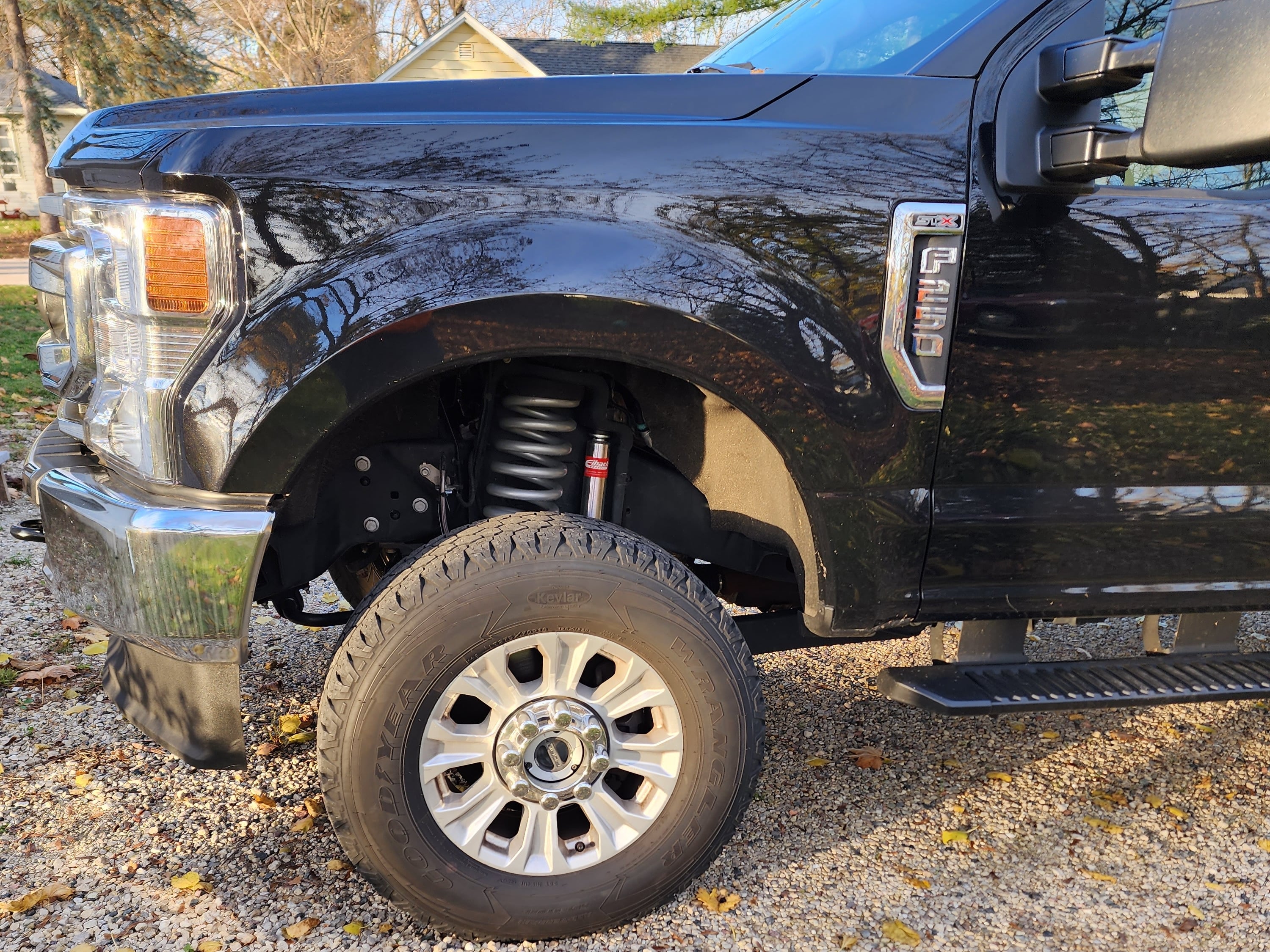
The right choice between a leveling kit and a lift kit comes down to how you use your truck: leveling kits are ideal for daily drivers and tow rigs that want a cleaner stance, while lift kits suit dedicated off-roaders, trail runners, and truck builders going for maximum clearance and tire size.
Here's how to match the right mod to your driving style:
- Daily driver or tow rig: Go with a leveling kit. You'll get a better-looking stance, room for slightly larger tires, and you won't sacrifice ride quality, towing geometry, or fuel economy. If you haul heavy loads regularly, the factory rake is actually designed to work in your favor — a level may change how the truck sits under load.
- Weekend trail runner: A 2 to 4-inch lift kit gives you the ground clearance and tire size you need for moderate trails without completely changing how your truck drives on the highway during the week.
- Dedicated off-road or rock crawling: A 4 to 6-inch-plus lift kit is where you need to be. The additional wheel travel, clearance, and ability to run 35-inch or larger tires make a real difference when the terrain gets serious.
- Show truck or maximum stance: A 6-inch-plus lift with oversized wheels and tires is the way to build a truck that turns heads. Just budget accordingly — you're making an investment in the full package.
By-Truck Recommendations
- Ford F-150: A leveling kit is the single most popular mod for the F-150. If you want to go further, 2 to 4-inch lift kits are widely available with excellent fitment options. Check out F-150 leveling kits for your model year.
- Ram 1500: Leveling kits and 2 to 4-inch lifts cover the sweet spot for most Ram owners. The Ram's air suspension models have specific kit requirements, so make sure you're getting the right setup. Browse Ram 1500 leveling kits for options.
- Chevy Silverado and GMC Sierra: The full range of options is available — from simple torsion key leveling to full suspension lifts at 6 inches and beyond.
- HD trucks (F-250, F-350, Ram 2500, Ram 3500): Consider your payload and towing requirements first. Heavy-duty trucks are often working trucks, and a lift can change towing geometry. Talk to our Sales Tech team — they're real truck enthusiasts who can help you find the right balance.
Ready to upgrade your truck's stance? We carry a wide selection of lift kits and leveling kits for every major truck make and model. Whether you're going for a subtle level or a full suspension lift, you'll find the right kit at AmericanTrucks — and our Sales Tech team is always here to help you pick the perfect setup for your build.
Related Content
Frequently Asked Questions About Lift Kits and Leveling Kits
Truck owners researching suspension upgrades often have the same questions about cost, installation, towing impact, and tire fitment. Here are the most common ones answered.
What Is the Difference Between a Lift Kit and a Leveling Kit?
A leveling kit raises only the front of your truck 1 to 2.5 inches using spacers or torsion keys to eliminate factory rake. A lift kit raises both the front and rear 2 to 12 inches by replacing or upgrading suspension components like springs, shocks, and control arms for increased ground clearance and off-road capability.
Is a Leveling Kit Worth It?
A leveling kit is worth it if you want to eliminate the factory nose-down rake, fit slightly larger tires (up to 33 to 35 inches), and improve your truck's appearance without spending much money. At $50 to $300 for parts and a 1 to 2 hour install, it's one of the highest-impact, lowest-cost mods available.
Does a Leveling Kit Affect Towing?
A leveling kit can change how your truck behaves under load. Factory rake is designed so the truck levels out when towing or hauling. Leveling the front means the truck may squat in the rear under heavy loads. You won't lose towing capacity, but you should be mindful of tongue weight distribution.
Does a Lift Kit Void Your Warranty?
A lift kit doesn't automatically void your entire warranty. Under the Magnuson-Moss Warranty Act, the dealer must prove that your aftermarket modification directly caused a specific failure before denying a warranty claim. However, related suspension and drivetrain components may not be covered if the dealer links the failure to the lift.
Can You Tow With a Lifted Truck?
You can tow with a lifted truck, but there are considerations. A lift changes the angle of your hitch and may require a drop hitch to keep your trailer level. Larger tires can also affect braking distance. If you tow regularly, stick to moderate lift heights and make sure your hitch setup compensates for the added height.
How Long Does It Take To Install a Leveling Kit?
Most leveling kits install in 1 to 2 hours. Strut spacer kits are the quickest since you're adding a spacer on top of the existing strut assembly. Torsion key swaps can be slightly faster. This is a beginner-friendly DIY project that requires basic hand tools, a jack, and jack stands.
How Long Does It Take To Install a Lift Kit?
A lift kit installation takes 4 to 8 or more hours depending on the lift height and complexity. A basic 2 to 3-inch kit can be done in 4 to 5 hours by an experienced installer. A full 6-inch suspension lift with all the associated components can take a full day. Professional installation is recommended for lifts 4 inches and above.
Does a Leveling Kit Affect Gas Mileage?
A leveling kit by itself has minimal to no effect on gas mileage if you keep your stock tire size. If you upgrade to larger, heavier tires after leveling, expect a slight decrease in fuel economy due to increased rolling resistance. The impact is far smaller than what you'd see with a full lift kit and oversized tires.