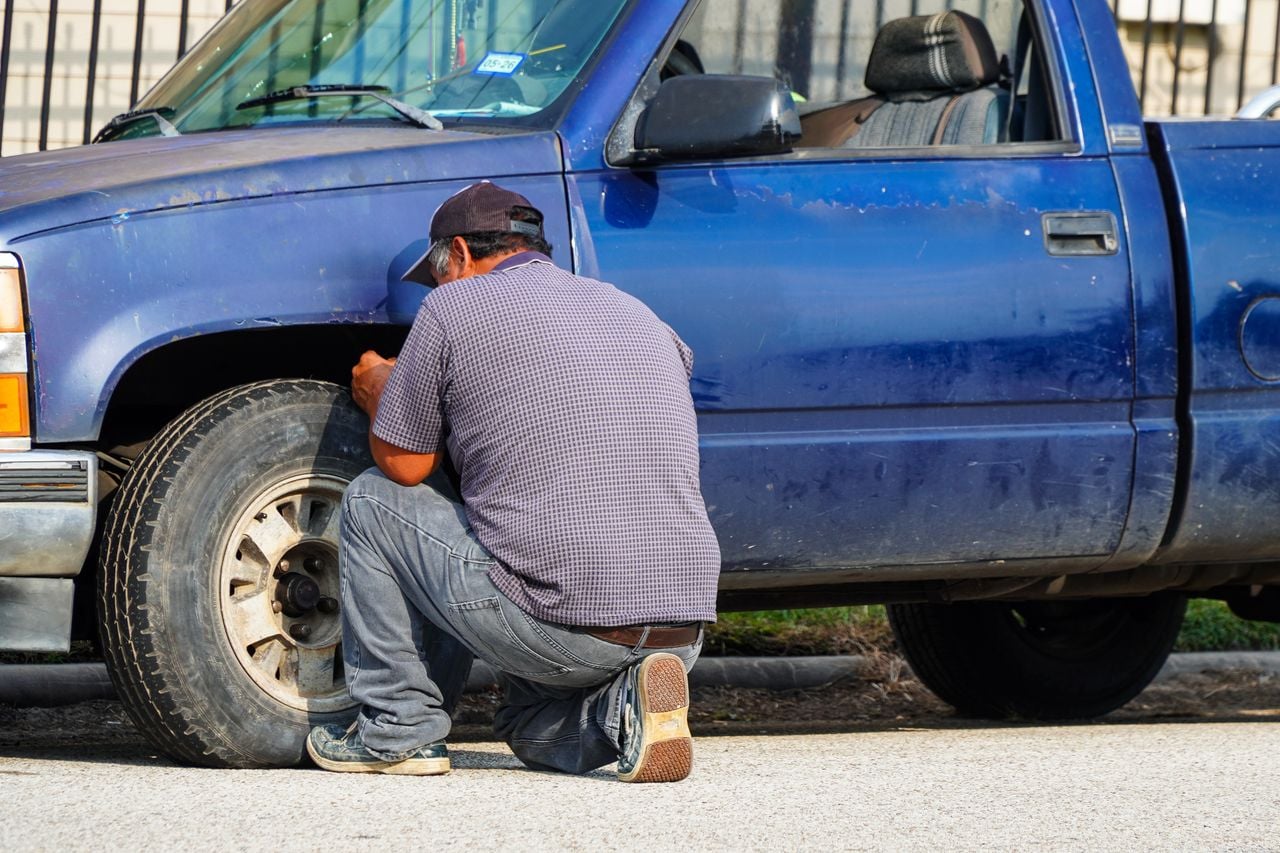
If you own a pickup truck, sooner or later, you’ll have to deal with a punctured tire. From daily commuting to jobsite hauling and trail riding, your tires are constantly exposed to puncture hazards. Once you get a flat, you have a couple of options: figure out how to patch a tire safely, or opt for a replacement.
A good tire patch job can provide a solid repair, provided the damage is properly inspected and centrally located. But given that truck tires usually handle heavy payloads, towing stress, and larger wheel packages, this fix requires extra caution.
This guide covers everything you need to know to patch your tire correctly or determine whether it's time to consider replacement options.
Before You Patch: Making Sure the Tire is Repairable

Before grabbing your tools, verify the tire is actually safe to fix. Attempting to save a compromised tire is a dangerous mistake. Knowing what constitutes a repairable puncture keeps you and your truck safe on the road.
Generally, your tire is repairable if:
- You find a small puncture caused by a nail, screw, or similar debris.
- The damage is centrally located within the main tire tread area.
- The tire retains healthy tread depth and shows no visible structural issues.
Do not patch your tire if:
- The puncture is located on the tire's sidewall or the shoulder.
- The puncture area is large, torn, or irregularly shaped.
- You notice a bulge, bubble, deep cracking, or exposed cords.
- You drove the vehicle on the tire while it was completely flat.
- The tire has multiple punctures close together or overlapping previous repairs.
Take a conservative approach if your truck sees heavy towing, hauling, or frequent trail use. When a repair looks questionable under those demanding conditions, replacement is the best route for tire safety.
How to Patch a Tire Step by Step
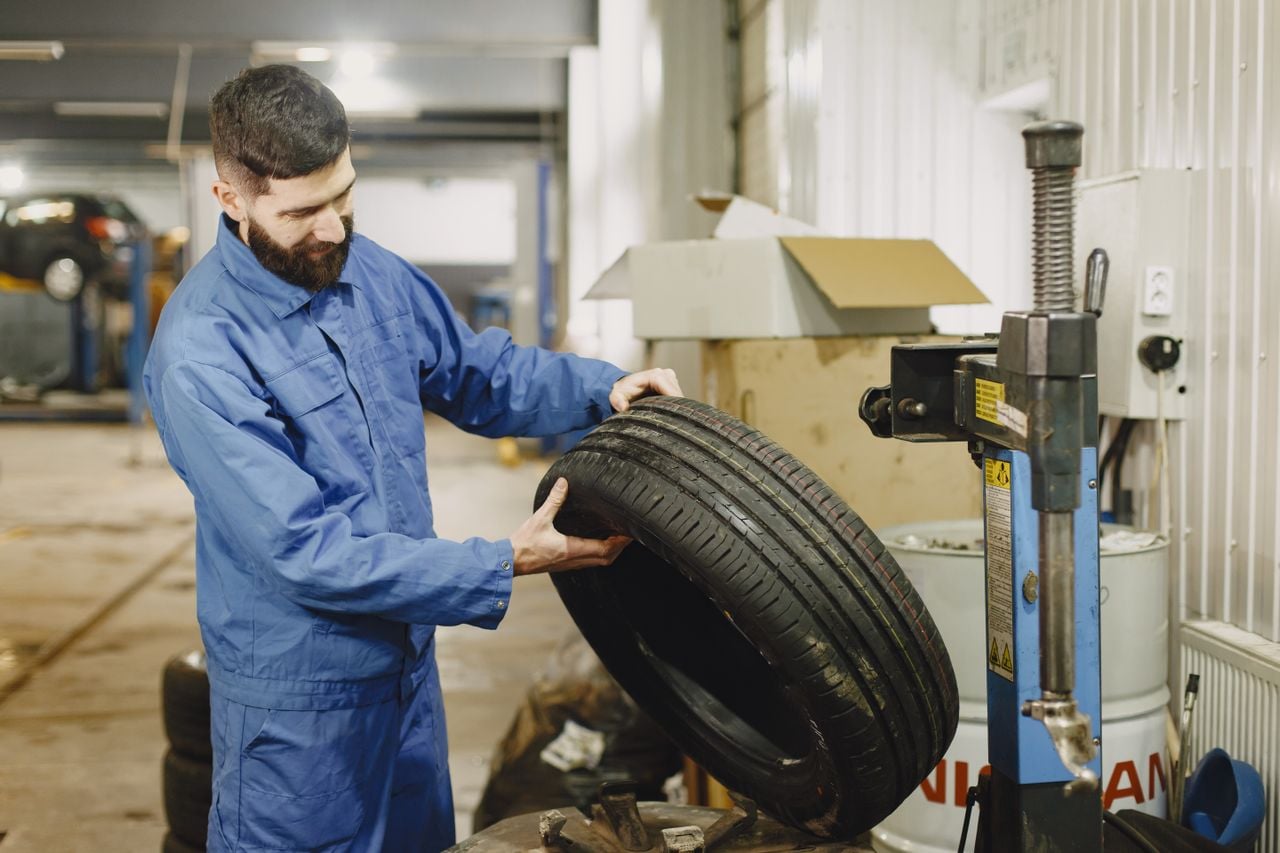
Once you verify the puncture is safe to fix, it is time to get to work. Remember, sidewall damage, large cuts, and structural tire damage are never do-it-yourself (DIY) patch jobs, but for a standard tread puncture, follow this process:
- Find the leak: Inflate the tire enough to inspect the surface. Spray the tread with soapy water and watch for bubbling to locate the exact puncture location. Once found, mark the spot with chalk or a marker.
- Remove the wheel if needed: For an outside plug-style emergency fix, your wheel can sometimes stay on the vehicle if you have clear access. However, for a true internal patch or a plug-patch combo, you must remove the tire from the rim to properly inspect the inside.
- Remove the object: Grip the nail, screw, glass, or piece of debris with pliers and pull it out. Pay close attention to the angle of the object as it comes out, so you can follow that same path during the repair.
- Prepare the puncture: If using a tire plug kit, push the reamer tool into the hole to clean out debris and roughen the rubber. For an internal repair, clean the inner liner, buff the surface until rough, and apply rubber cement following the kit's instructions.
- Install the plug, patch, or plug-patch: For basic plugs, thread the sticky rubber plug through the insertion tool, push it into the hole, pull the tool out quickly, and use a razor blade to trim the excess flush with the tread. For internal patches, wait until the cement is completely dry and tacky, firmly press the patch over the puncture area, and roll it flat.
- Reinflate and double-check for leaks: Inflate the tire to the recommended tire pressure listed on your truck’s driver-side door placard, not the maximum pressure molded onto the sidewall. Spray the repair area with soapy water again and watch for bubbles. Recheck the pressure after a short drive and the next day. If the tire still leaks, loses pressure, vibrates, or shows a sidewall bulge, stop driving and replace it.
Patch vs. Plug: What’s The Difference?
When dealing with flat tires, you might wonder whether it is better to plug or patch them. Both address punctures, but function differently:
- Tire Plug: Inserted from the outside, this is a fast, accessible method ideal for roadside emergencies. However, professionals usually treat an outside plug as a temporary solution.
- Tire Patch: Applied directly to the inner liner after removing the tire from the wheel. It seals the inside of the tire, but a patch alone does not fill the actual puncture path.
- Plug-Patch Combination: This offers the strongest repair by filling the puncture channel while simultaneously sealing the inner liner.
For a pickup truck handling regular highway driving, heavy payload weight, towing, or rough trail use, a proper internal plug-patch is a much safer, reliable long-term option than relying strictly on an external plug.
Tools You’ll Need to Patch or Plug a Tire
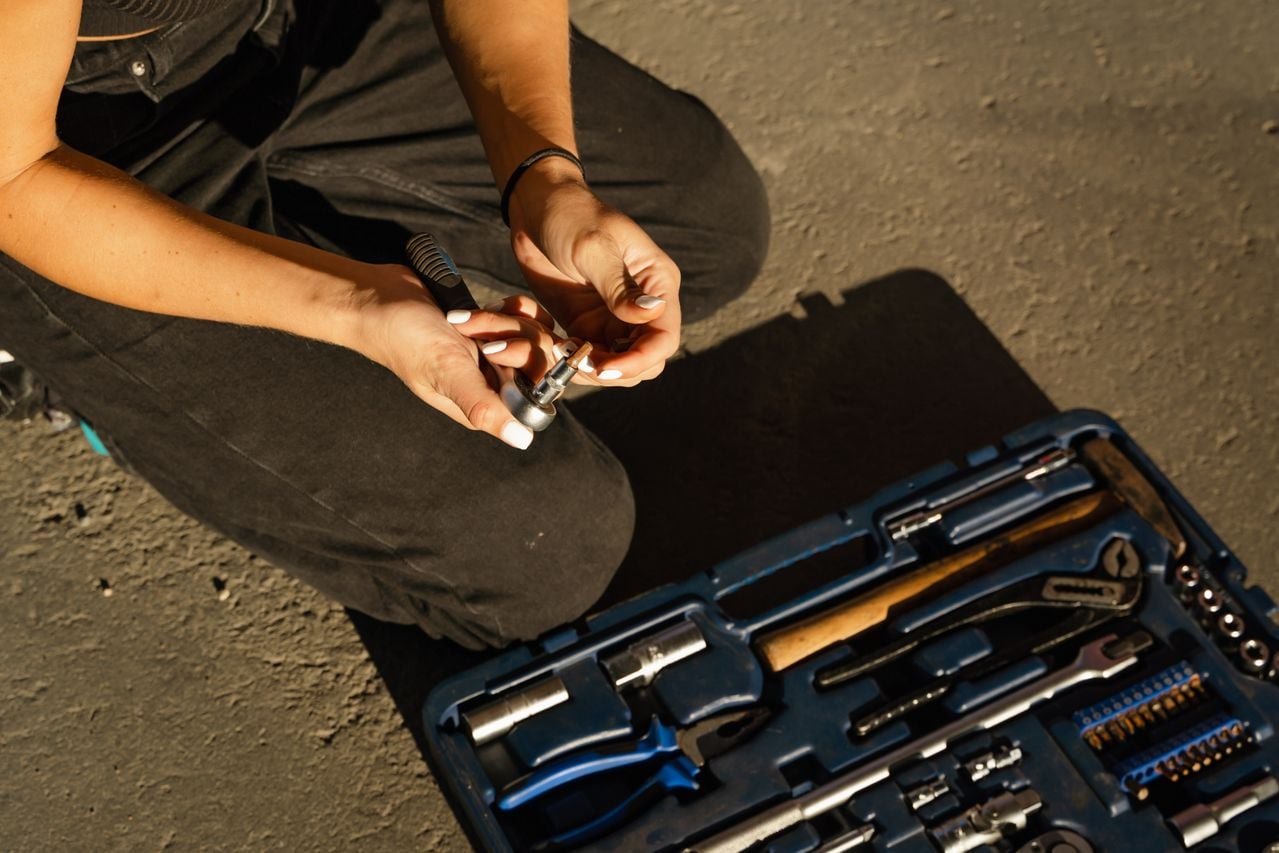
Having the right tools makes any repair process smooth and straightforward. Gather these items before you start working:
- Tire plug kit or a complete internal patch/plug-patch kit.
- Pliers to remove the puncturing object.
- Tire pressure gauge.
- Portable air compressor or tire inflator.
- Soapy water in a spray bottle.
- Jack, lug wrench, and jack stands (when removing the wheel).
- Tire marker or chalk.
- A utility knife or razor blade to trim plug material.
Always park on level ground, set the parking brake firmly, stay well clear of active traffic, and locate the manufacturer-recommended lifting points before you grab the jack.
When Replacing the Tire is the Safer Move
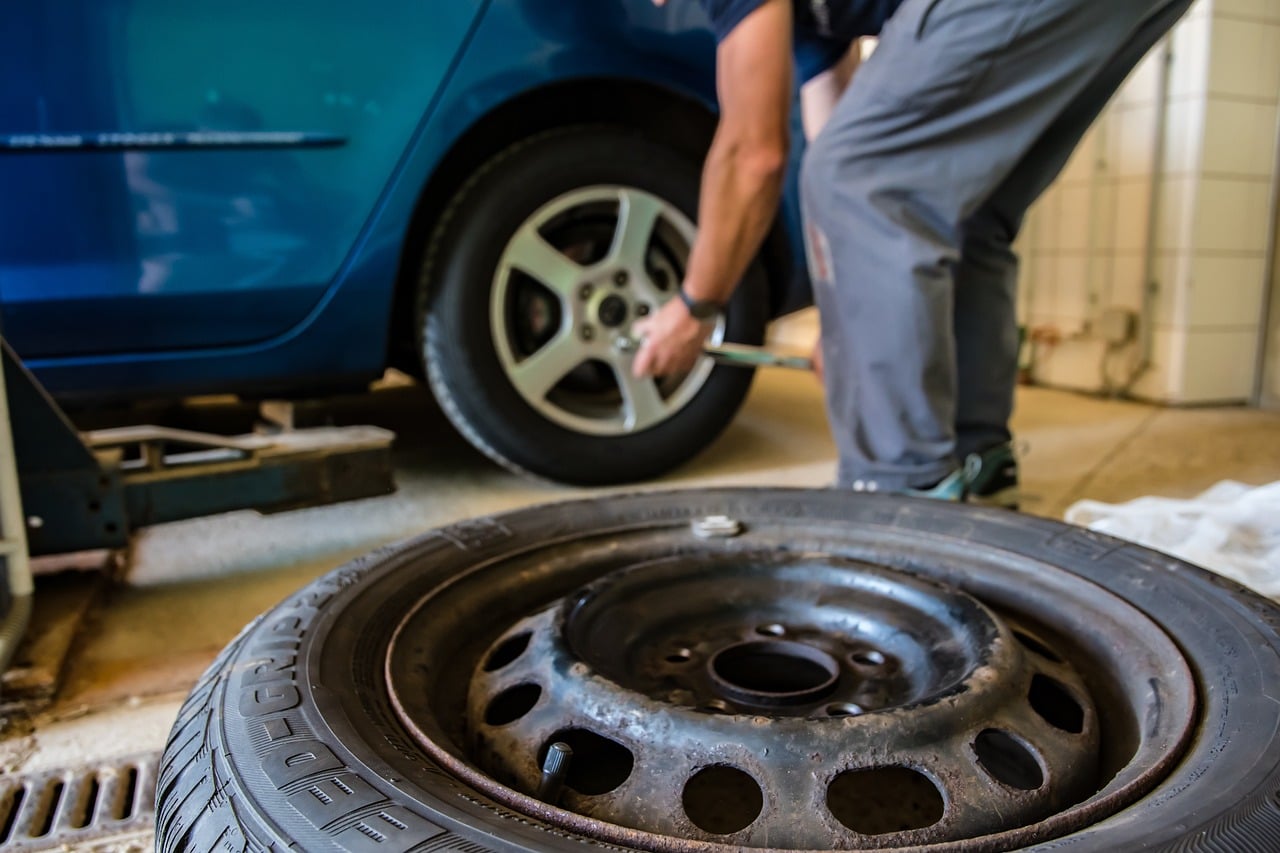
Patching a tire saves money and extends its life when the damage is truly minor, but replacing the tire is always the safer move when its structural integrity is compromised.
You should replace the tire immediately if the puncture sits in the shoulder or sidewall, or if you spot a bulge, deep cut, or exposed belt damage. Tires with multiple punctures, overlapping repairs, or extremely low tread depth also belong in the recycling pile.
Once your patched tire no longer safely supports how you use your truck, whether that involves heavy towing, aggressive off-roading, or demanding jobsite work, it is time for an upgrade.
In those cases, finding reliable, vehicle-specific parts is crucial. AmericanTrucks offers comprehensive fitment guidance and a wide selection of truck-specific wheel and tire packages to ensure your new setup clears perfectly and gets your rig back on the road safely.
FAQs About Patching a Tire
Still have a few questions before making the call on your flat? You aren’t alone. Here are quick, practical answers to what truck owners ask most from tire repair services.
Is it better to plug or patch a tire?
A proper repair, like a plug-patch combination, is generally better because it completely fills the puncture path and seals the inside of the tire simultaneously. An outside plug is fast and convenient, but many technicians consider it a temporary fix until the tire can be inspected internally.
How long can you drive on a patched tire?
A proper internal plug-patch can last for the remainder of the tire's natural tread life. However, a basic external plug should be treated as a temporary fix to get you safely to a repair shop. Always closely monitor a repaired truck tire under heavy loads or towing stress.
Can a patched tire leak air or cause a blowout?
A correctly repaired tire shouldn't leak, but poor prep, a large puncture, or hidden internal damage can cause pressure loss. The patch itself rarely causes a blowout; instead, the real risk comes from driving on a tire that is structurally weakened or damaged internally from being driven flat.