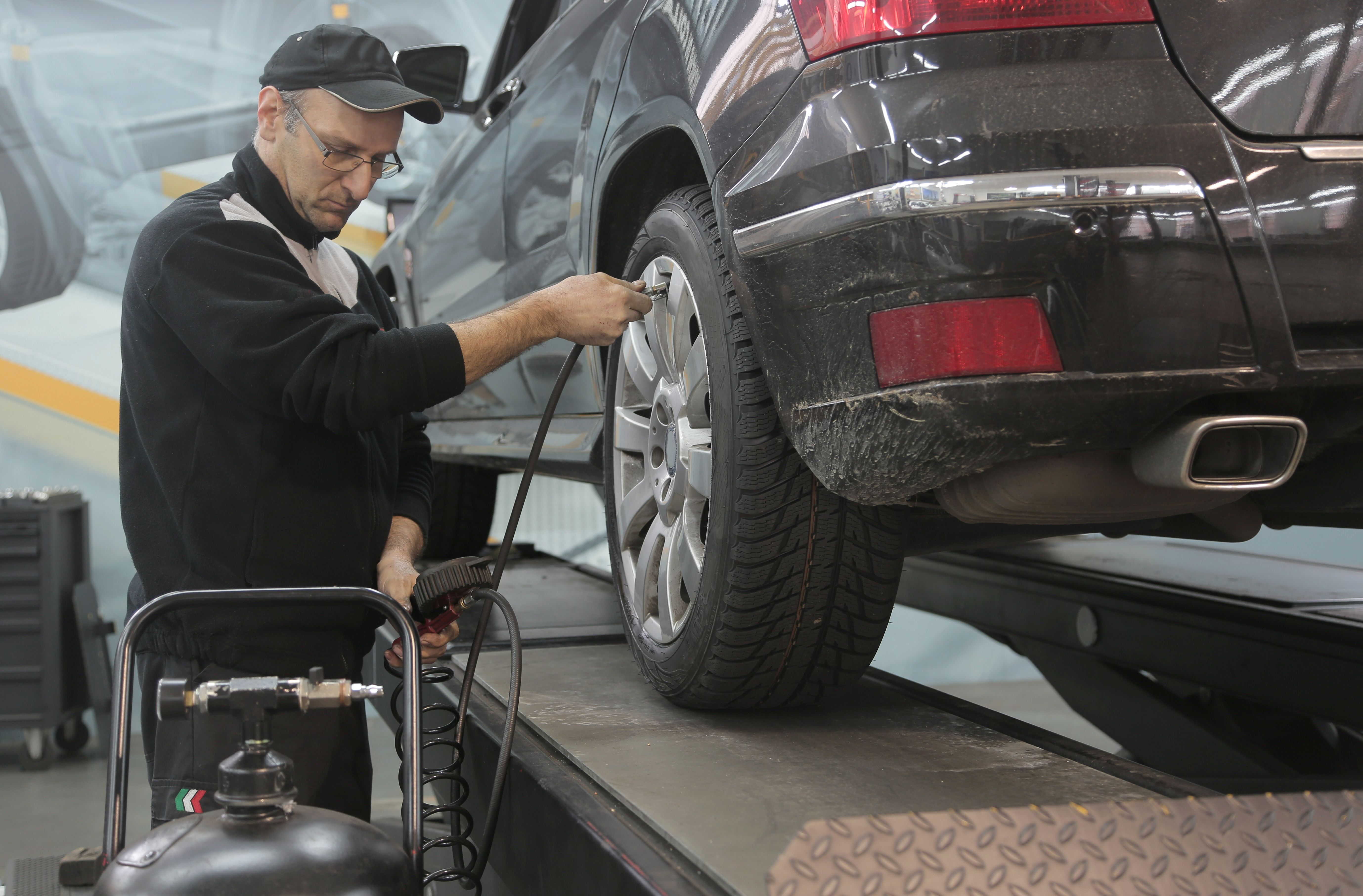
Whether you are correcting overinflation from a recent top-off, preparing to air down your tires for a weekend trail ride, or adjusting a heavy-duty setup for a softer ride, knowing how to let air out of tires safely is an essential skill. After all, driving on properly inflated tires is crucial for both your safety and your truck's performance.
For pickup owners, tire pressure requires special attention. Your truck might carry heavy payloads, tow large trailers, run oversized tire packages, or transition frequently between paved roads and rough terrain. While letting air out is a simple process, you need to do it in a controlled manner using a pressure gauge to get it right.
Otherwise, you risk accidentally creating an underinflation problem.
This guide will explain exactly how to safely execute this process, how much air to remove, when intentional tire deflation makes sense, and when you should grab an air compressor to reinflate.
Before You Let Air Out: Know Your Target PSI
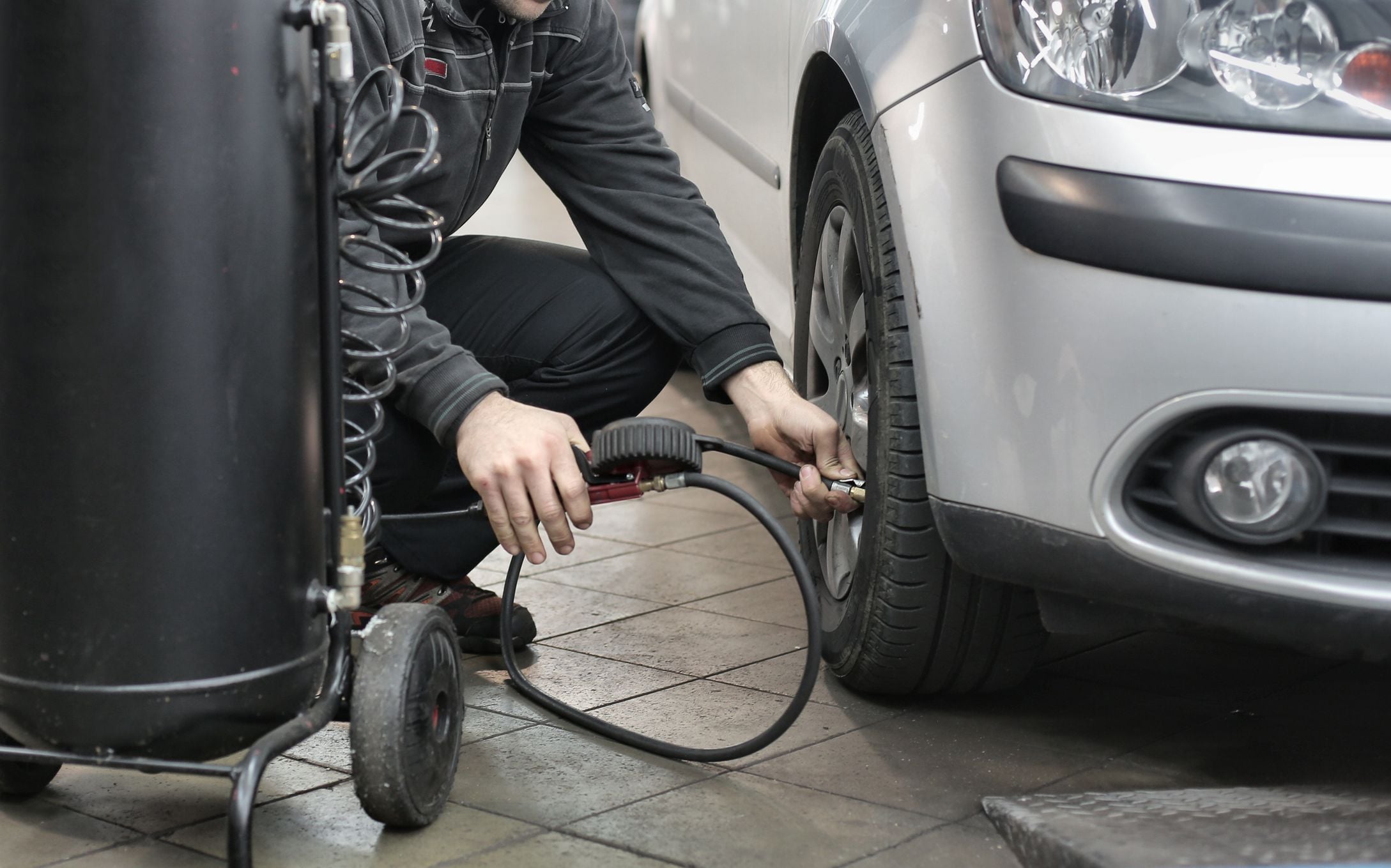
Before you press that valve pin and hear that familiar hissing sound as air escapes, you’ll want to know the specific desired PSI you are trying to reach. Guessing is risky, as improper inflation negatively impacts your vehicle's performance, fuel efficiency, and overall tire wear.
For normal, everyday driving, use the manufacturer's recommended tire pressure. You can find this ideal tire pressure listed on:
- The sticker inside the driver's side door jamb.
- Your truck’s owner's manual.
- The vehicle's tire and loading information label.
Do not use the maximum PSI printed on the tire's sidewall. That number represents the absolute maximum the tire can safely hold, not the target pressure for regular use. Also, keep in mind that to accurately monitor tire pressure, you should check it when the tires are cold (meaning the truck has been parked for several hours).
If your truck is towing, hauling, or running an upgraded suspension and larger tires, your correct pressure may require adjustments based on your specific load, tire type, and vehicle guidance.
How to Let Air Out of Tires Step by Step
Deflating your tires requires a careful, methodical approach to ensure they deflate safely without causing damage. These steps are strictly for controlled pressure adjustments, however, and are not intended for masking a slow leak, driving on a flat tire, or dealing with damaged rubber.
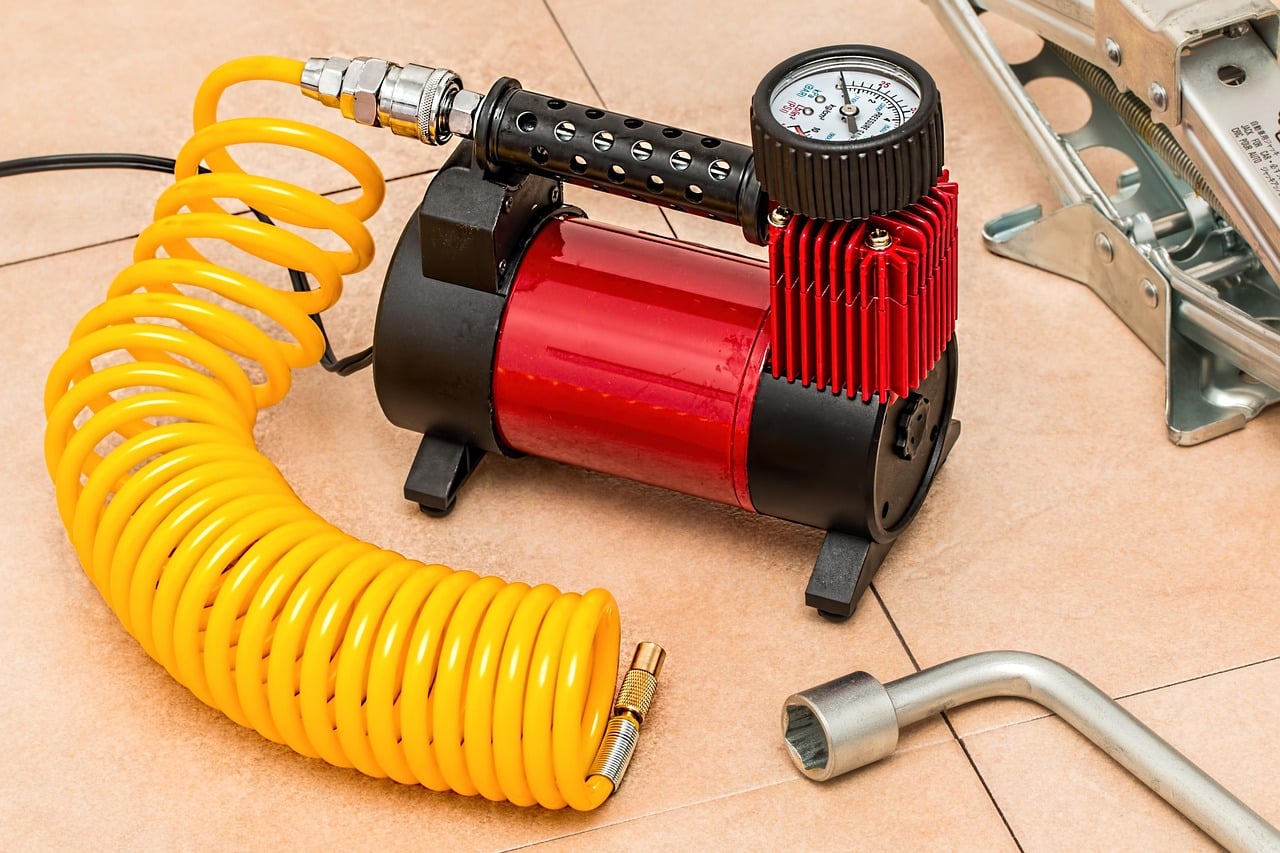
To get started, you’ll need a couple of items depending on your setup:
- A reliable tire pressure gauge: Essential for checking your starting and ending PSI.
- A tool to press the valve pin: Many pressure gauges have a built-in air-release nub, but you can also use a key, a small flathead screwdriver, or the back of a valve cap.
- An inflation tool: You will need a portable air compressor or a standard tire pump to add air back when you are finished.
- (Optional) A dedicated tire deflator: If you frequently air down for the trail, this tool replaces the manual or improvised methods and deflates tires quickly.
With your gear in hand and your target pressure in mind, you are ready to get to work. Follow these simple steps to safely let the air out of your tires:
- Step 1—Park safely: Park your truck on level ground. Set the parking brake and avoid working near active traffic so you can handle the process safely.
- Step 2—Check tire pressure: Use your tire gauge to check tire pressure before releasing any air. Compare this reading against the recommended PSI for road driving or your preset PSI for off-roading.
- Step 3—Remove the valve stem cap: Unscrew the valve cap and set it somewhere safe. This small cap helps protect the Schrader valve inside from dirt, moisture, and debris.
- Step 4—Press the valve pin: Use the back of your tire gauge or a small blunt tool to carefully press the small valve pin inside the valve stem core. Release air in short bursts rather than holding the valve open continuously. This prevents you from accidentally letting out too much air. Avoid using long needle-nose pliers to grip the pin, as this can easily damage the valve core.
- Step 5—Recheck pressure as you work: Check the PSI every few seconds to get accurate readings, especially if you only need to remove a small amount of air. Slow your bursts as the tire approaches your desired pressure.
- Step 6—Replace the valve cap: Once you reach the correct pressure, screw the cap back onto the valve stem securely.
- Step 7—Repeat evenly if adjusting multiple tires: Ensure your tire pressures remain consistent from side to side unless your truck’s specific guidance calls for different front and rear pressures.
If you notice one tire continuously dropping pressure after you've adjusted it, treat it as a potential leak requiring a tire shop visit.
How Much Air Should You Let Out?
Avoid looking for a single universal PSI recommendation, as the right pressure depends on multiple factors. Your exact target will change based on your truck model, tire size, cargo load, terrain type, and driving speed.
If you are dealing with overinflated tires, let out air until the tire matches the recommended cold PSI listed on your truck’s placard or owner’s manual. Being a few PSI above the recommendation may not damage your tire immediately, but if left uncorrected, it can cause a harsh ride, reduce your tire's surface area, lead to uneven wear, and affect handling.
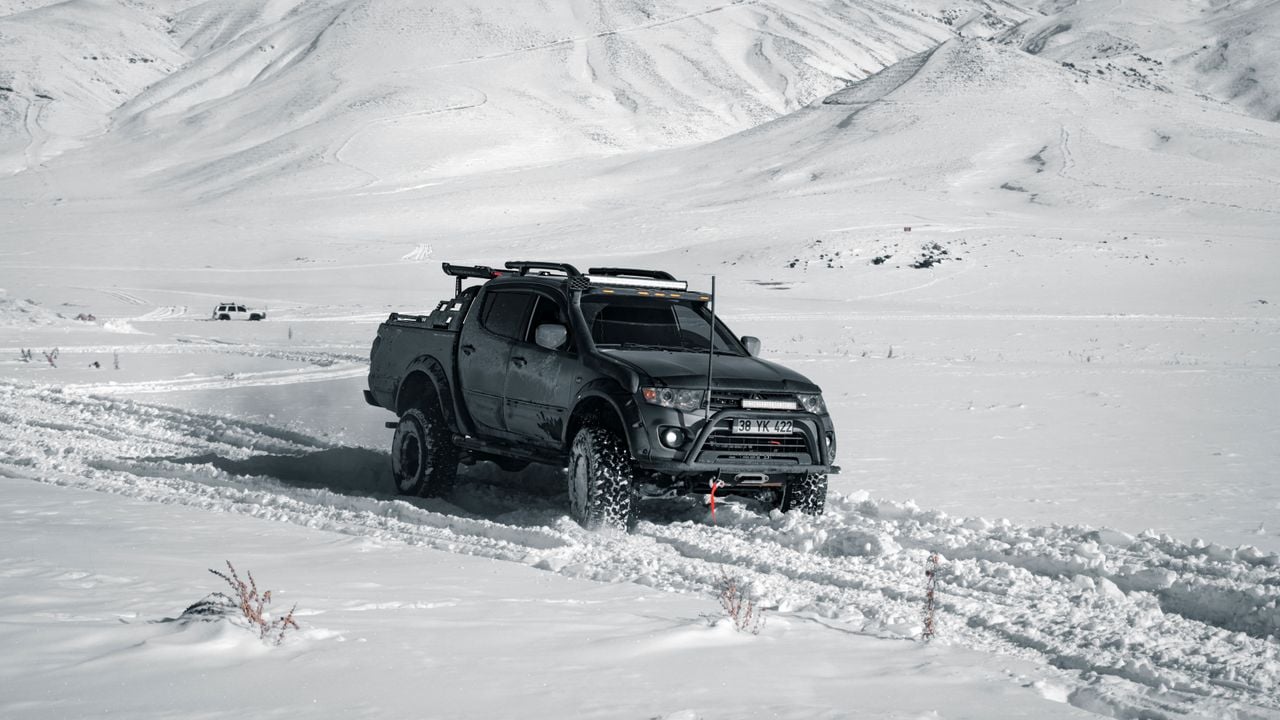
For off-roading, lower air pressure can provide better traction by increasing the tire’s contact patch, allowing the rubber to flex over the road surface or trail for better grip. Sand, loose gravel, and deep snow driving might call for lower pressure for better flotation. Rocks and mud benefit from moderate airing down for compliance. Keep in mind that larger wheels with shorter sidewalls leave very little room for aggressive deflation.
Safety Warning: Avoid completely deflating the tire. Extreme over-deflation can severely compromise your steering, build up dangerous heat, damage the tire, or unseat the tire bead from the wheel entirely.
Airing Down for Off-Roading vs. Fixing Overinflation
"Letting air out" usually refers to two distinct scenarios: correcting your tire pressure for safe road driving or intentionally dropping it for trail conditions.
- Fixing overinflated tires: When correcting a tire with too much air, your goal is to return it to the manufacturer's recommended pressure for safe driving. This is best done when the tire is cold. Once you reach that baseline target, your truck is fully prepared and safe for normal driving on paved roads.
- Airing down off-road: Conversely, airing down off-road is a strategy used by many off-roaders to improve traction, comfort, and tire compliance on loose or uneven terrain. This should always be temporary. You must have a plan to reinflate your tires before returning to road speeds.
If you are shopping for new truck wheel and tire packages or researching truck suspension upgrades, think about tire pressure tools early on. Quality deflators and reliable compressors should be part of your full setup to get the most out of your new parts on the trail without scrambling for a gas station air pump afterward.
When You Should Stop and Reinflate Instead
Lower pressure is not always safer. Sometimes, the real issue you are feeling behind the wheel is a leak, a damaged tire, or a truck being pushed past its limits under heavy load. You should stop and reinflate immediately if:
- The tire is already sitting below the recommended road pressure.
- You spot a visible puncture, sidewall damage, a bulge, or an exposed cord.
- You plan to tow a trailer, haul heavy cargo, or drive at highway speeds.
- Your dashboard tire pressure warning light stays illuminated after adjustment.
- One tire loses pressure significantly faster than the others.
Always remember to add air back to your desired pressure using a portable compressor, an onboard air system, a shop compressor, or a gas station air pump before returning to normal driving.
Underinflated tires are especially risky for pickups carrying cargo, towing trailers, or running oversized tires, as those tires are already working much harder than standard commuter car tires.