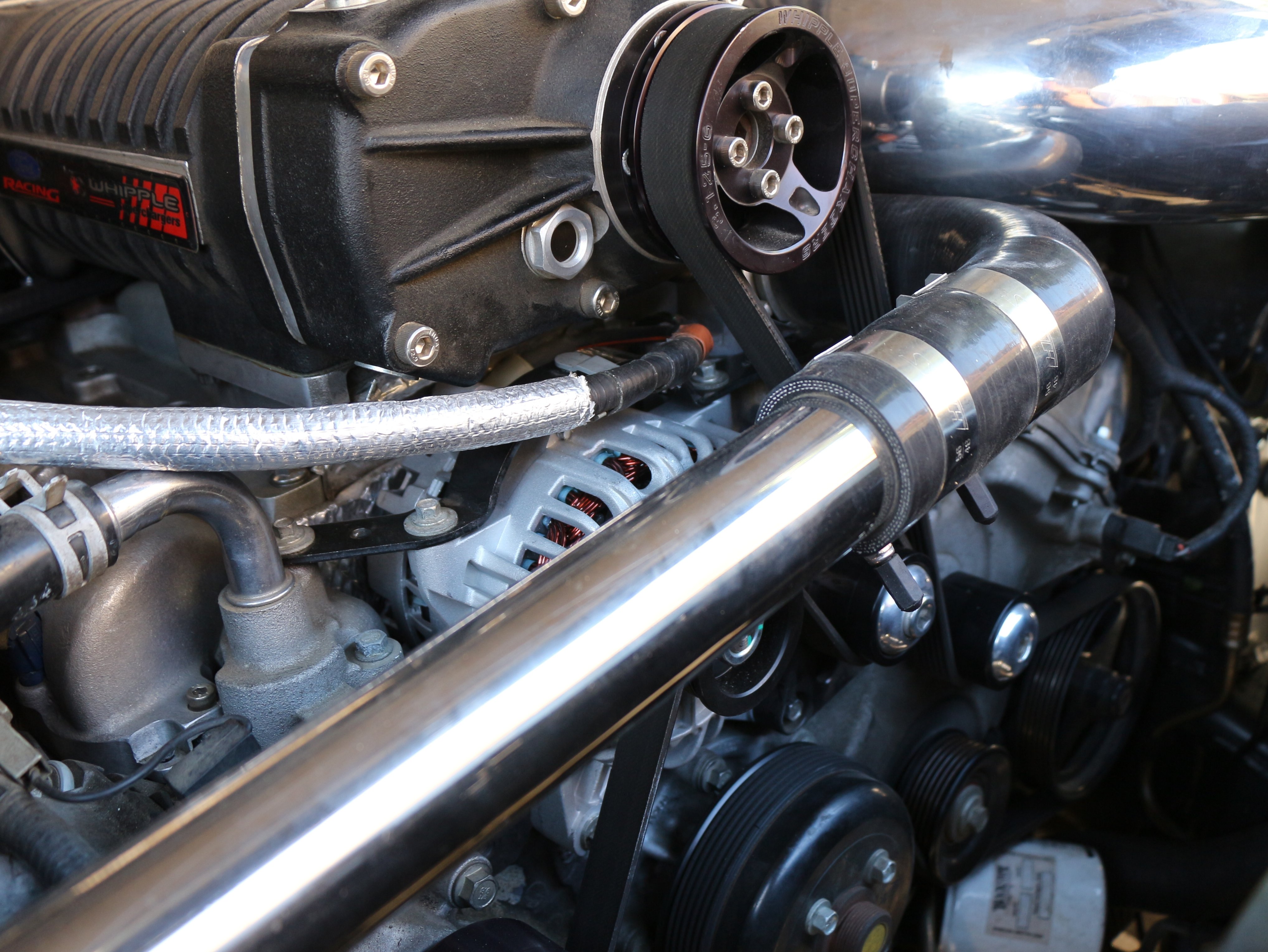
What Does an Alternator Do?
Your truck's alternator is the heart of its electrical system. It converts mechanical energy from the engine's spinning crankshaft into electrical energy that powers everything from your headlights and radio to your ECU and fuel injectors. Without a working alternator, your battery would drain in minutes and your truck would shut down.
Here's the short version: the alternator uses a belt-driven rotor spinning inside a set of stationary coils (the stator) to generate alternating current. A built-in rectifier converts that AC to DC, and a voltage regulator keeps output steady, typically between 13.5 and 14.5 volts. That voltage charges the battery while simultaneously powering every electrical component in your truck.
Your battery's main job is starting the engine. Once the motor is running, the alternator takes over. It supplies the current your truck needs and tops off the battery so it's ready for the next start. When the alternator starts to fail, the battery picks up the slack temporarily, but it can't do that job for long.
8 Signs Your Alternator Is Going Bad
A failing alternator rarely dies without warning. Most of the time, you'll notice one or more of these symptoms before you're stranded in a parking lot. Recognizing the early signs of a bad alternator lets you address the problem on your schedule, not on the side of the highway.
Battery Warning Light on Dashboard
The battery-shaped warning light on your dash doesn't just mean "bad battery." It monitors your entire charging system, including the alternator. When alternator output drops below or spikes above the normal 13.5 to 14.5 volt range, this light turns on. Sometimes it flickers before staying illuminated, especially as the alternator's output fluctuates under varying electrical loads. Even if the truck seems to run fine with the light on, don't ignore it — you're draining the battery and running on borrowed time.
Dim or Flickering Headlights

Your headlights are one of the biggest electrical draws on your truck, so they're often the first things to show alternator trouble. If you notice your headlights dimming at idle and brightening when you rev the engine, that's a classic sign of inconsistent voltage from a failing alternator. Flickering headlights, where the brightness pulses up and down, point to the same issue. If you've already upgraded to aftermarket lighting, check out our automotive lighting guide and Ram lighting upgrades to make sure your setup isn't drawing more power than your charging system can handle.
Dead or Weak Battery
A battery that keeps dying even after you replace it or charge it overnight is one of the clearest signs of an alternator problem. Can a bad alternator drain a battery? Absolutely. If the alternator isn't putting out enough voltage to keep the battery charged, the battery discharges every time you drive, and eventually it won't have enough juice to crank the engine. We'll cover how to tell the difference between a bad battery and a bad alternator in detail below, but the quick test is this: jump the truck and see what happens. If it dies again within a few minutes, the alternator is almost certainly the problem.
Electrical Accessories Malfunctioning
Modern trucks run a lot of electronics. When alternator output drops, your truck's computer starts shedding non-essential loads to keep the engine running. You might notice:
- Slow power windows: Windows roll up and down sluggishly or stop mid-travel.
- Erratic gauges: Your speedometer, tachometer, or fuel gauge may jump around or drop to zero.
- Radio cutting out: The infotainment system restarts or loses power intermittently.
- Seat heaters and AC weakening: Climate control may blow less effectively as electrical draw is restricted.
If several of these happen at once, the alternator is a prime suspect.
Difficulty Starting or Frequent Stalling
An alternator that can't maintain proper voltage leaves the battery undercharged. You'll hear it on startup: a sluggish crank, clicking sounds, or the engine barely turning over. In more advanced cases, the truck may stall while you're driving. This happens because the engine's fuel injection system and ignition coils need consistent voltage to operate. When the alternator can't deliver, the engine simply quits.
Strange Noises from the Engine Bay
Alternators use internal bearings and are driven by a serpentine belt. When either component wears out, you'll hear it. Common sounds include:
- Whining or buzzing: Often caused by worn bearings inside the alternator. The pitch usually rises with engine RPM.
- Grinding: Internal bearing failure. This typically means the alternator is close to seizing up entirely.
- Squealing: Usually the serpentine belt slipping on the alternator pulley. A worn, loose, or glazed belt can't maintain grip, especially under heavy electrical loads.
If the noise goes away when you disconnect the alternator belt (engine off, of course), you've found your problem.
Burning Rubber or Electrical Smell
A failing alternator can overheat, and when it does, you'll often smell burning rubber from the serpentine belt being overworked or slipping. You might also catch a sharp, acrid electrical smell, which indicates overheated wiring or a melting insulation issue inside the alternator itself. Either smell means you should stop driving and diagnose the problem immediately. Overheated alternators can damage surrounding wiring and components.
Voltage Gauge Reading Low
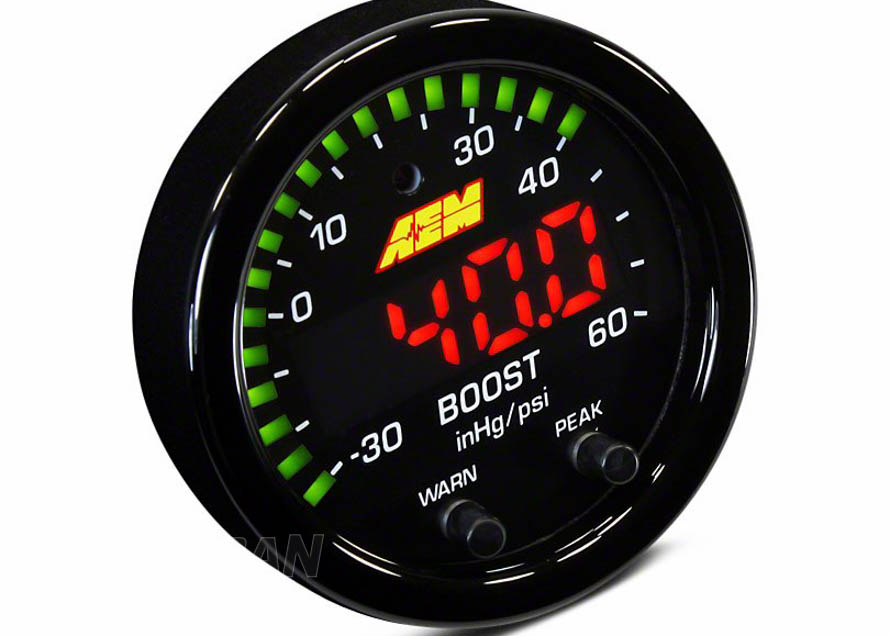
If your truck has a built-in voltage gauge on the instrument cluster, it gives you a real-time look at your charging system's health. A healthy alternator keeps the needle between 13.5 and 14.5 volts. If you see the gauge dipping below 13 volts or fluctuating erratically, the alternator is struggling. Not every truck has a factory voltage gauge, but you can easily add one. Check out our aftermarket gauges guide or pick up a Prosport volt gauge to keep tabs on your charging system at a glance.
How To Test Your Alternator with a Multimeter
A good alternator should output between 13.5 and 14.5 volts with the engine running. Below 13.5 volts means it's undercharging; above 14.5 volts means the voltage regulator may be failing. A basic digital multimeter is all you need to check, and the whole test takes about five minutes.
- Set your multimeter to DC voltage. Turn the dial to the 20V DC range. This setting lets you read the 12 to 15 volt range accurately.
- Test the battery with the engine off. Touch the red probe to the positive (+) battery terminal and the black probe to the negative (-) terminal. A fully charged battery should read between 12.4 and 12.6 volts. If it's below 12.2 volts, charge the battery before testing the alternator so you get an accurate reading.
- Start the engine and test again. With the truck running at idle, place the probes on the same battery terminals. You should now see between 13.5 and 14.5 volts. This confirms the alternator is charging the battery properly.
- Load-test the system. Turn on your headlights, AC, radio, and any other high-draw accessories. With everything running, check the voltage again. It should stay above 13.5 volts. If it drops below that threshold under load, the alternator can't keep up with your truck's electrical demands.
- Interpret your results.
-
- 13.5 to 14.5V under load: Your alternator is healthy.
- Below 13.5V: The alternator is undercharging. Worn brushes, a failing voltage regulator, or damaged stator windings are common causes.
- Above 14.5V: The voltage regulator is likely failing, causing overcharging. This can damage your battery and electrical components.
- No change from engine-off reading: The alternator may not be charging at all. Check the belt, wiring connections, and fuse before condemning the unit.
How To Test Your Alternator Without a Multimeter
If you don't have a multimeter handy, you can still get a rough idea of alternator health using a few simple checks. These aren't as precise as voltage readings, but they'll help you figure out if the alternator deserves a closer look.
- Headlight brightness test: Start the truck and turn on the headlights. Watch the brightness while someone revs the engine slightly. If the headlights get noticeably brighter with higher RPMs and dim significantly at idle, the alternator is likely struggling to maintain consistent voltage.
- Radio static test: Turn on the AM radio to a low frequency with no station tuned in. If you hear a whining that increases in pitch with engine RPMs, that electrical noise can indicate a failing alternator diode.
- Dashboard warning check: Pay attention to the battery warning light and any other unusual dashboard behavior. Multiple warning lights, erratic gauges, or the infotainment system resetting all point toward a charging system problem.
- Jump-start diagnosis: If the battery is dead, jump-start the truck. Disconnect the jumper cables and let the truck idle. If it dies within a few minutes, the alternator isn't generating enough power to keep it running on its own.
These field tests are useful for narrowing down the problem, but if you suspect an alternator issue, get a proper voltage test. Most auto parts stores will test your alternator and battery for free.
Alternator vs. Battery: How To Tell the Difference
Bad alternator symptoms and bad battery symptoms overlap a lot, which makes diagnosis confusing. The fastest way to tell the difference is a jump-start: if the truck starts and runs fine after a jump, the battery is probably the issue. If the truck dies again shortly after removing the jumper cables, the alternator isn't charging and is your real problem.
| Symptom |
Bad Alternator |
Bad Battery |
| Truck dies after jump-start |
Yes, within minutes |
No, runs normally after jump |
| Dim headlights while running |
Yes, especially at idle |
No, headlights are normal once running |
| Battery warning light on |
Often stays on while driving |
May appear briefly at startup |
| Slow crank at startup |
Sometimes, if battery is drained |
Yes, consistently sluggish |
| Multiple electrical failures |
Yes, progressively worsening |
Unlikely while engine is running |
| Battery age 3+ years |
Less relevant |
Strong indicator of battery failure |
| Strange engine bay noises |
Whining, grinding, squealing |
No unusual sounds |
| Multimeter reading (engine running) |
Below 13.5V or above 14.5V |
Normal 13.5–14.5V range |
Keep in mind that a failing alternator will eventually kill a good battery. If your battery is relatively new (under three years old) and keeps dying, start your diagnosis at the alternator. If the battery itself is old or shows signs of swelling or corrosion, it might be time to replace both.
What To Do If Your Alternator Is Failing
Once you've confirmed the alternator is the problem, you have a few options depending on how you use your truck and what's in your budget.
Immediate Safety Steps
If your alternator fails while you're driving, reduce electrical load immediately. Turn off the AC, radio, heated seats, and anything else you don't absolutely need. Keep your headlights on if it's dark, obviously, but minimize every other draw. Drive directly to a safe location or a shop. A truck running on battery alone might have 20 to 30 minutes before it dies, depending on the battery's charge level.
Replace vs. Rebuild
For most truck owners, a brand-new or remanufactured alternator is the smartest move. Rebuilding an alternator yourself (replacing brushes, bearings, and the voltage regulator individually) is possible, but it's time-consuming and only makes sense if you enjoy the process. A quality replacement alternator runs between $150 and $400 depending on your truck and output rating. Labor at a shop adds another $100 to $200. If you're comfortable with basic hand tools, you can swap an alternator in your driveway in one to two hours.
Consider a High-Output Alternator
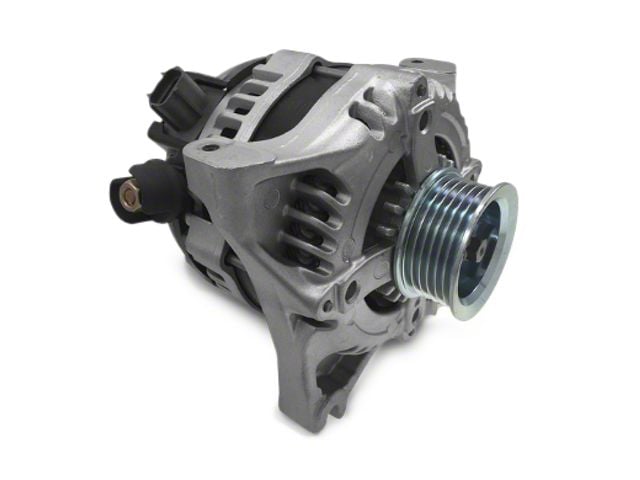
If your truck runs aftermarket accessories that draw significant power, like off-road light bars, a high-wattage audio system, a winch, or powered bed accessories, a stock replacement alternator may not cut it. A high-output alternator delivers more amperage so your charging system can keep up with the extra demand. Check out a PA Performance high-output alternator or a step-by-step high-output alternator installation to see what the upgrade involves.
Don't Forget the Belt and Battery
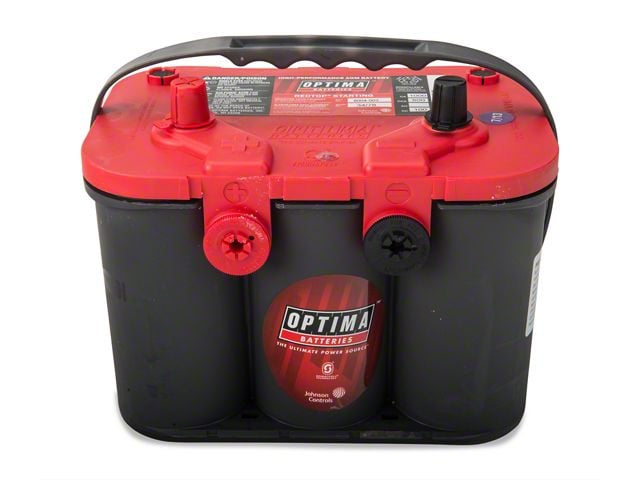
Whenever you replace the alternator, inspect the serpentine belt. A cracked, glazed, or stretched belt can cause the same symptoms and will shorten the life of a new alternator. Belts are cheap and easy to replace at the same time. It's also worth testing the battery after running on a bad alternator. Repeated deep discharges can permanently damage a lead-acid battery. If your battery has been run down multiple times, consider upgrading to an Optima Red Top battery for reliable cold cranking power or an Optima Yellow Top battery if you need deep-cycle capability for accessories.
Alternator Lifespan
How long do alternators last? Most factory alternators hold up for 100,000 to 150,000 miles, or roughly 7 to 10 years under normal driving conditions. Heavy electrical loads, extreme heat, and short trips that don't let the battery fully recharge can shorten that lifespan. If your truck is in that mileage range and you're seeing any of the symptoms above, the alternator is a likely candidate.
Keeping your truck's electrical system in top shape means fewer surprises on the road. Whether you're dealing with a failing alternator right now or just want to stay ahead of the problem, we've got the parts and guides you need. Browse our full selection of truck engine parts and tech guides to keep your rig running strong.
Frequently Asked Questions About Bad Alternators
Truck owners often have questions about diagnosing alternator problems. Here are answers to the most common questions about failing alternators.
How Do You Tell if It's Your Battery or Your Alternator?
Jump-start your truck and observe what happens. If the engine stays running after removing the cables, your battery is likely the problem. If the engine dies shortly after disconnecting the jumper cables, your alternator is not supplying enough charge to keep the electrical system powered, pointing to alternator failure.
How Can You Tell if Your Alternator Is Bad While Driving?
Watch for dimming or flickering headlights, a battery warning light on the dashboard, sluggish power windows, or a whining noise from the engine bay. If multiple electrical accessories start behaving erratically at the same time while the engine is running, your alternator is likely failing to maintain proper voltage output.
How Do You Tell if Your Alternator Is Bad by Looking at It?
Inspect the alternator for visible signs of wear including cracked or frayed serpentine belts, corroded or loose wiring connections, burn marks on the housing, or leaking fluid near the unit. A worn belt that appears glossy or has missing ribs can cause the alternator to underperform even if the unit itself is still functional.
How Do You Test an Alternator with a Multimeter?
Set your multimeter to DC voltage and connect the red probe to the battery's positive terminal and the black probe to the negative terminal. With the engine off, a healthy battery reads 12.4 to 12.6 volts. Start the engine and check again — a working alternator should produce 13.5 to 14.5 volts. Readings below 13.5 or above 14.5 volts indicate alternator trouble.
Can a Bad Alternator Drain Your Battery Overnight?
Yes. A faulty alternator diode can allow current to flow backward from the battery into the alternator when the engine is off, creating a parasitic drain. If your truck's battery repeatedly dies overnight despite being relatively new, have your alternator's rectifier diodes tested to rule out reverse current leakage.
What Does a Bad Alternator Sound Like?
A failing alternator often produces a growling or whining noise that increases with engine RPM. This sound typically comes from worn bearings inside the alternator or a misaligned serpentine belt rubbing against the pulley. A grinding sound may indicate that the internal bearings have failed completely and the alternator needs immediate replacement.
How Long Does an Alternator Last?
Most alternators last between 100,000 and 150,000 miles or roughly seven to ten years under normal driving conditions. Factors that shorten alternator life include excessive electrical loads from aftermarket accessories, extreme heat exposure, and fluid contamination from engine leaks. Trucks with heavy electrical demands may need replacement sooner.
Can You Drive with a Bad Alternator?
Driving with a failing alternator is risky and not recommended. Once the alternator stops charging the battery, your truck will run only until the battery's stored charge depletes — typically 20 to 30 minutes. Losing all electrical power while driving at highway speeds is dangerous, so address alternator issues before they leave you stranded.