 FREE 1 to 3-Day Delivery on Orders $149+ Details
Best Truck Skid Plates: Steel vs. Aluminum, Top Brands & Buyer's Guide

AT Staff
/ Jul 24 2026
What Are Truck Skid Plates?
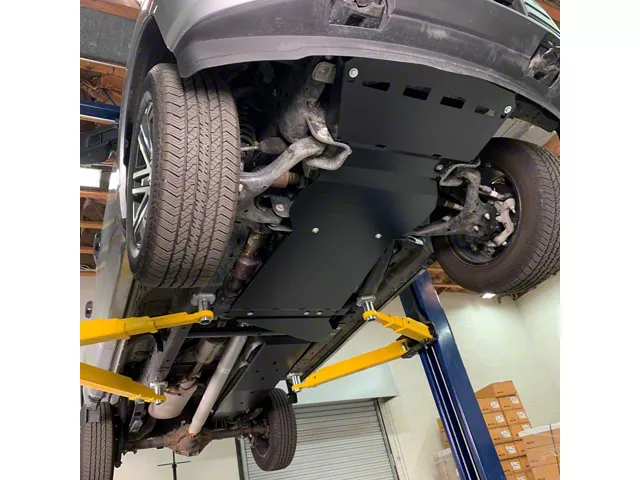
Truck skid plates are heavy-duty metal plates that bolt to your vehicle's undercarriage to shield critical drivetrain components from rocks, stumps, ruts, and trail debris. They're designed to absorb and deflect impacts that would otherwise crack an oil pan, dent a transmission housing, or puncture a fuel tank — turning a potential trail-ending disaster into a glancing blow.
Think of skid plates as armor for the most vulnerable and expensive parts underneath your truck. Factory trucks sometimes come with thin stamped-steel or plastic "splash guards," but those are built for gravel spray and road debris — not boulder strikes or stump hits. Aftermarket truck armor and skid plates are significantly thicker, stronger, and purpose-built for real off-road protection.
Most skid plates are made from either steel or aluminum (we'll break down that comparison below). They bolt to existing frame and crossmember mounting points, and many are designed for direct fitment to specific truck platforms — no drilling or welding required. Whether you're running a dedicated trail rig or just want insurance against the unexpected on back roads, the best truck skid plates give you peace of mind every time you leave pavement.
What Do Skid Plates Protect on a Truck?
Skid plates protect five critical underbody components that are exposed to trail hazards: the engine oil pan, transmission, transfer case, fuel tank, and steering/differential assemblies. Each of these components sits below the frame rails and can be damaged or destroyed by a single rock strike, making skid plates essential underbody insurance for any truck that leaves paved roads.
Engine and Oil Pan
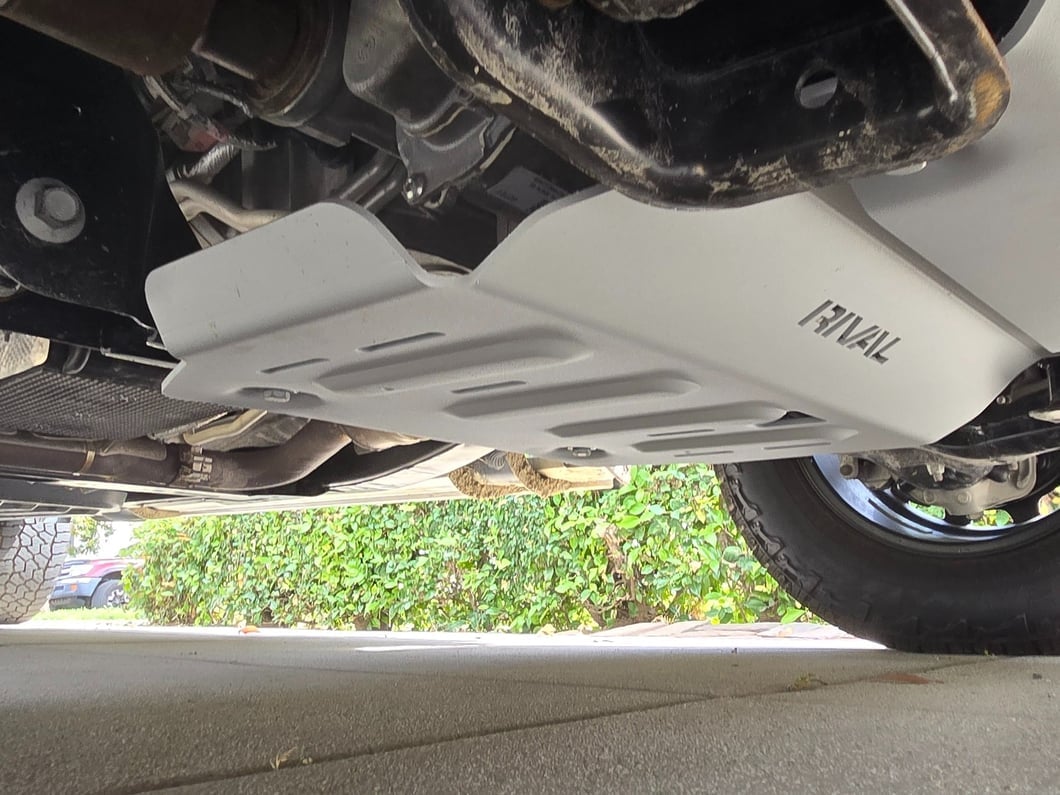
Your engine's oil pan hangs below the block and is one of the most exposed components on the underside of any truck. A cracked or punctured oil pan dumps your oil on the trail, and running an engine without oil — even briefly — can seize the motor entirely. An engine skid plate covers this area and takes the hit so your oil pan doesn't.
Transmission
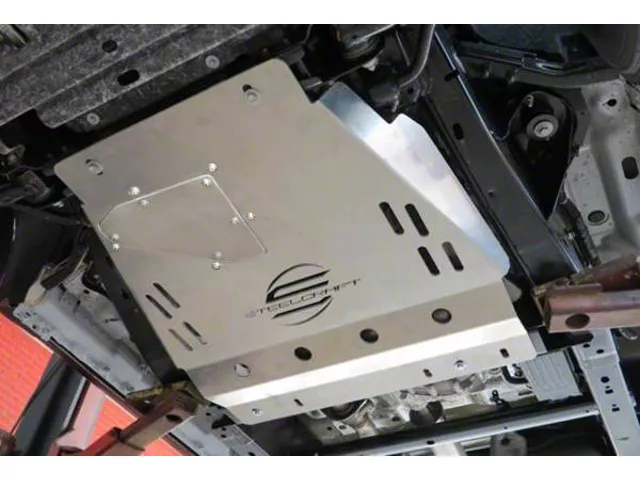
The transmission housing sits directly behind the engine and extends below the frame on most trucks. A hard impact to the transmission case can crack the housing, damage internal components, or shear mounting bolts. Transmission repairs or replacements run $2,500–$6,000, making a $175–$275 skid plate an obvious investment.
Transfer Case
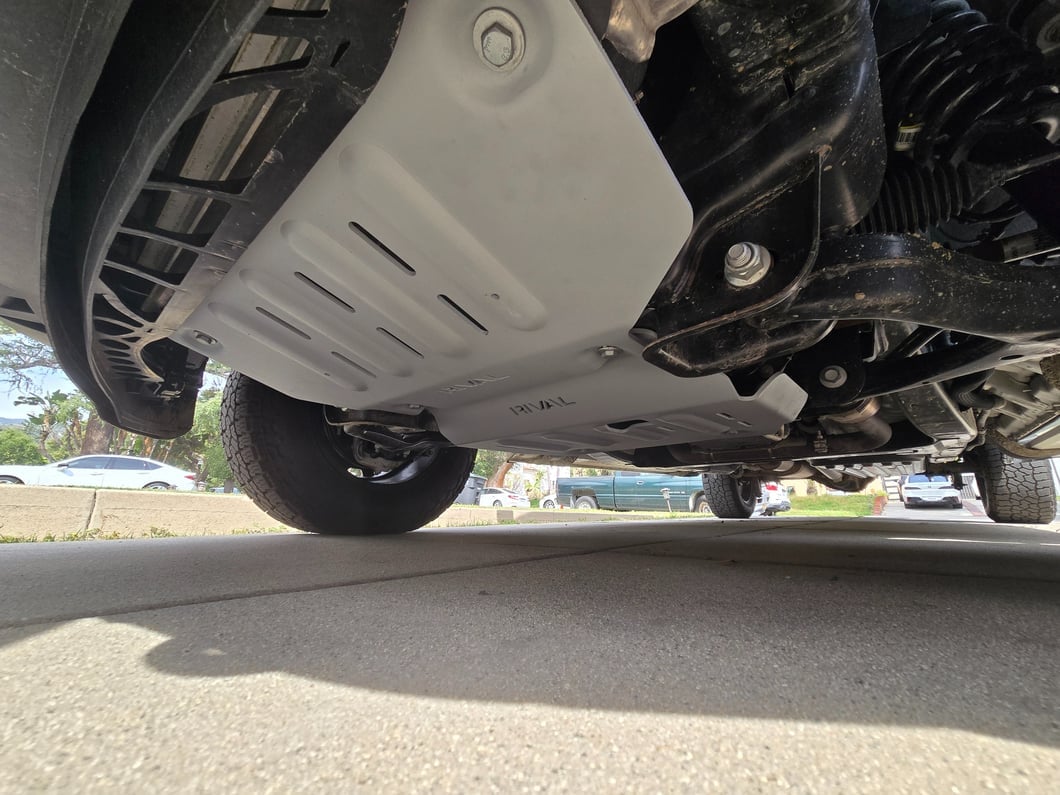
If you're running a 4WD truck, the transfer case is bolted to the back of the transmission and splits power between your front and rear axles. It's another component that hangs below the frame line and is vulnerable to rock strikes. A transfer case skid plate is especially critical for trucks that see regular trail use because this component is expensive to replace and sits right in the strike zone.
Fuel Tank
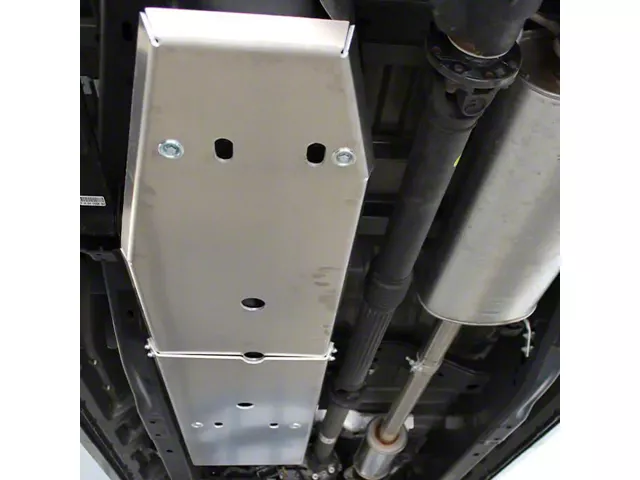
Your fuel tank is mounted under the bed, usually held in place by metal straps. A punctured fuel tank is a safety hazard, a fire risk, and a guaranteed trip-ender. Fuel tank skid plates wrap around or sit below the tank to prevent punctures from rocks or debris.
Differentials and Steering Components
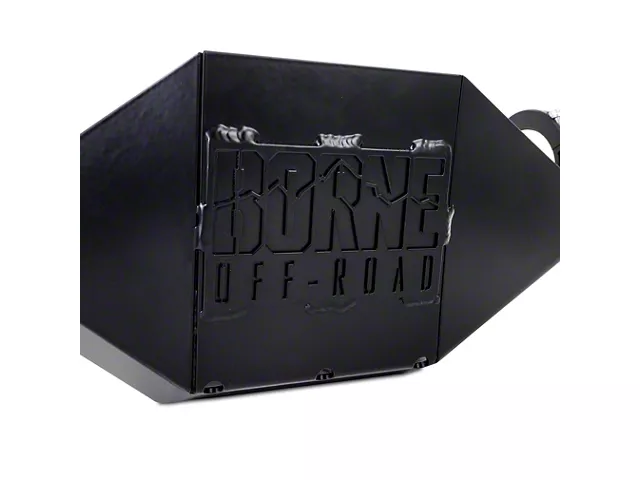
Front differentials, tie rods, and steering linkage components all sit low on the truck. While differential housings are cast iron and fairly tough, a direct hit on the cover can crack it or damage internal gears. Steering components are even more vulnerable — a bent tie rod on the trail puts you out of commission fast.
Do You Need Skid Plates for Your Truck?
If you drive off-road, on gravel roads, or through rural terrain where rocks, ruts, and debris are common, you need skid plates. They're the most cost-effective underbody protection you can install — a $150 skid plate can prevent a $3,000 transfer case replacement, and that math holds across every protected component.
You don't have to be crawling Moab to benefit from skid plates. Here are the driving scenarios where they pay for themselves:
- Trail and off-road driving: Rocks, roots, ledges, and stumps are constant threats to your underbody. Even moderate trail riding puts your oil pan and transmission in the strike zone.
- Rural and gravel roads: Washboarded roads, potholes, and loose rocks can launch debris into underbody components at speed. You don't need to be "off-roading" to take a nasty hit.
- Lifted trucks: A lift kit improves off-road capability by raising the frame, but it also encourages you to tackle rougher terrain — which means more exposure to underbody hazards.
- Towing on rough terrain: Hauling a trailer on unpaved roads adds weight and reduces your ability to dodge obstacles. The extra load also pushes your suspension down, closing the gap between your underbody and the ground.
- Work trucks in construction or agriculture: Job sites, fields, and backroads are full of hidden hazards. A skid plate keeps your work truck on the job instead of on a flatbed.
Cost Savings: Skid Plates vs. Component Replacement
The table below puts the value of skid plates into perspective. A single underbody impact can cost you thousands in parts and labor — a skid plate is a fraction of that price.
| Protected Component | Replacement Cost | Skid Plate Cost | Potential Savings |
|---|---|---|---|
| Engine / Oil Pan | $800–$1,100 | $100–$250 | $550–$1,000 |
| Transmission | $2,500–$6,000 | $175–$275 | $2,225–$5,725 |
| Transfer Case | $1,500–$3,000 | $150–$300 | $1,200–$2,700 |
| Fuel Tank | $1,500–$1,800 | $150–$250 | $1,250–$1,550 |
Steel vs. Aluminum Skid Plates: Which Is Better?
Steel is the best material for skid plates when maximum impact protection is your priority — it's stronger, cheaper, and absorbs heavy hits without deforming. Aluminum is the better choice when weight savings and corrosion resistance matter more, such as on daily-driven trucks or builds where every pound counts. Neither material is universally "better"; it depends on how you use your truck.
Steel Skid Plates — Pros and Cons
Steel skid plates are the traditional go-to for serious off-road protection. Most aftermarket steel plates use 1/8" (11-gauge) or 3/16" (7-gauge) plate steel, which provides exceptional strength and impact resistance.
- Maximum protection: Steel absorbs and distributes impact energy better than aluminum. A 3/16" steel plate can take repeated rock strikes without permanent deformation.
- Lower cost: Steel plates are generally 20–40% less expensive than comparable aluminum options, making them the budget-friendly choice for full coverage.
- Easier to weld and repair: If a steel plate does get bent or cracked on the trail, a basic welder can patch it. Aluminum welding requires specialized equipment.
- Heavier: Steel plates add significant weight — a full skid plate set can add 80–120 lbs to your truck. That extra weight affects fuel economy and can strain suspension components over time.
- Rust-prone: Bare steel corrodes without proper coating. Most manufacturers apply powder coating or paint, but chips and scratches will expose bare metal to moisture.
Aluminum Skid Plates — Pros and Cons
Aluminum skid plates use aircraft-grade alloys (typically 5052 or 6061 aluminum) at 1/4" thickness to compensate for the material's lower strength-per-thickness compared to steel.
- Lightweight: Aluminum weighs roughly 60% less than steel. A full aluminum skid plate set might add 35–55 lbs versus 80–120 lbs for steel.
- Corrosion-resistant: Aluminum naturally forms a protective oxide layer and won't rust, making it ideal for trucks exposed to rain, mud, snow, and road salt.
- Good protection for moderate use: For trail riding, gravel roads, and recreational off-roading, aluminum plates provide solid protection without the weight penalty.
- Higher price: Aluminum plates typically cost 30–50% more than comparable steel options due to higher raw material and fabrication costs.
- Less impact resistance: Aluminum can bend or dent under extreme impacts that steel would shrug off. It's not the right pick for rock crawling or repeated high-impact trail abuse.
Steel vs. Aluminum Skid Plates: Head-to-Head Comparison
| Feature | Steel | Aluminum |
|---|---|---|
| Weight (Full Set) | 80–120 lbs | 35–55 lbs |
| Protection Level | Maximum — handles repeated heavy impacts | Moderate — handles trail debris and rocks |
| Cost | Lower — $100–$300 per plate | Higher — $150–$450 per plate |
| Corrosion Resistance | Low — requires coating, chips expose bare metal | High — natural oxide layer prevents rust |
| Best For | Rock crawling, heavy trail use, budget builds | Daily drivers, overlanding, weight-conscious builds |
Best Truck Skid Plate Brands Compared
The best truck skid plate brands include RCI Metalworks, Rough Country, RIVAL 4x4, Barricade, ARB, and Skid Row Offroad. Each brand targets a different combination of material, price, coverage, and truck fitment — so the right choice depends on your budget, how hard you drive, and which components you need to protect.
RCI Metalworks
RCI Metalworks is a premium skid plate manufacturer known for custom-fit steel and aluminum plates with precision engineering. Their modular skid plate systems let you build coverage one plate at a time or buy complete sets for full underbody protection.
- Materials: 3/16" steel and 1/4" aluminum options
- Price range: $250–$600+ per plate
- Standout feature: Modular systems with cross-member integration and oil drain access
- Best for: Dedicated off-road builds and overland rigs where fitment precision matters
Rough Country
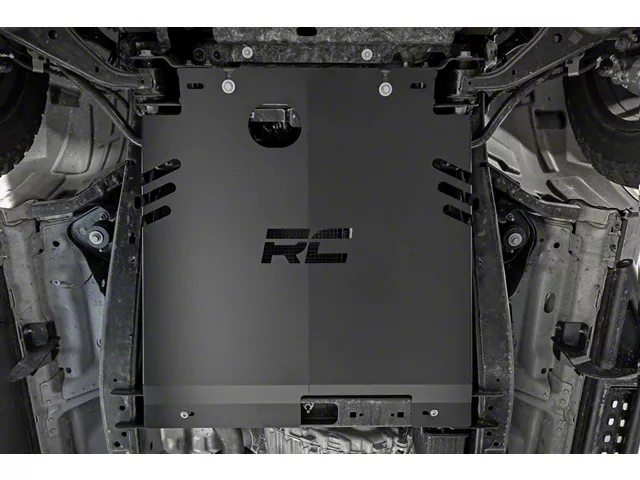
Rough Country offers budget-friendly steel skid plates with broad truck fitment coverage. They're a solid entry point for truck owners who want underbody protection without the premium price tag.
- Materials: 1/8" and 3/16" steel with powder coating
- Price range: $100–$250 per plate
- Standout feature: Wide vehicle fitment and competitive pricing
- Best for: Budget-conscious buyers who want reliable steel protection
RIVAL 4x4
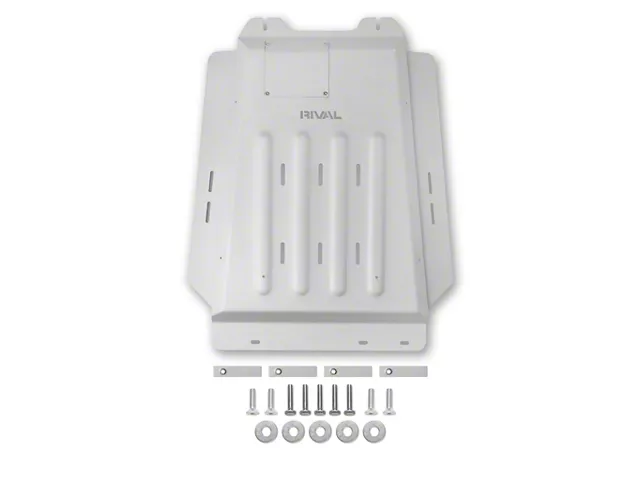
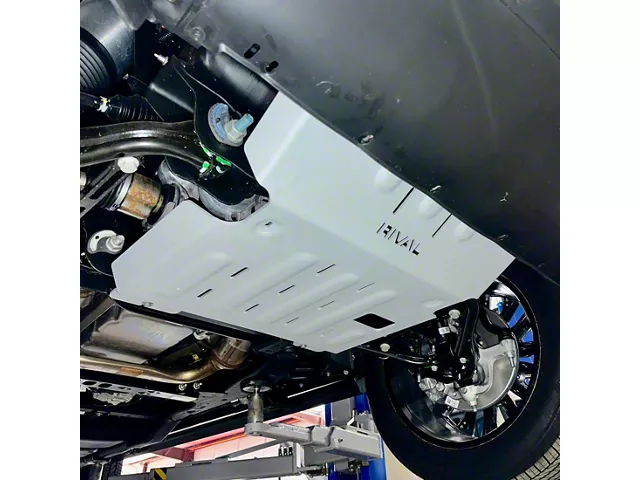
RIVAL 4x4 specializes in stamped aluminum skid plate sets that cover multiple underbody zones in a single kit. Their full-set approach gives you engine, transmission, and transfer case protection as one integrated package.
- Materials: 6mm stamped aluminum
- Price range: $400–$900 for full sets
- Standout feature: Full underbody coverage kits with integrated mounting
- Best for: Overlanding and trail trucks that need comprehensive aluminum coverage
Shop it: RIVAL 4x4 Aluminum Skid Plate Full Set for the F-150
Barricade
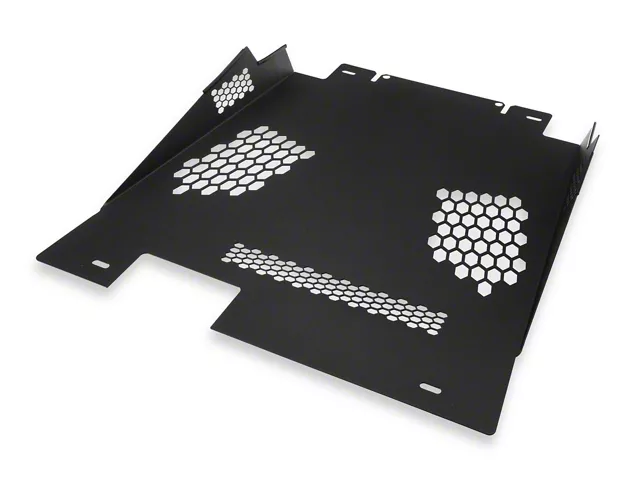
Barricade focuses on targeted protection at value pricing. Their catalytic converter guard (cat guard) skid plates address a growing concern — catalytic converter theft — while also protecting against trail hazards.
- Materials: Steel with powder coating
- Price range: $100–$200 per plate
- Standout feature: Cat guard designs that protect catalytic converters from theft and trail damage
- Best for: Truck owners who want targeted underbody protection at a value price
Shop it: Barricade Cat Guard Skid Plate for the F-150
ARB
ARB is an Australian manufacturer with decades of experience building heavy-duty off-road protection for expedition and overland vehicles. Their skid plates are built for the harshest conditions on the planet.
- Materials: Heavy-gauge steel, 3/16" standard
- Price range: $300–$700+ per plate
- Standout feature: Expedition-grade durability designed for extreme trail and outback conditions
- Best for: Serious overland builds and expedition trucks that see sustained harsh-terrain use
Skid Row Offroad
Skid Row Offroad manufactures specialty skid plates and underbody protection primarily for Jeep and mid-size truck platforms. Their products are designed for dedicated trail rigs and rock crawling setups.
- Materials: Steel, various gauges depending on application
- Price range: $150–$400 per plate
- Standout feature: Purpose-built designs for specific off-road applications and trail abuse
- Best for: Dedicated trail rigs and rock crawling builds
How to Choose the Right Skid Plates for Your Truck
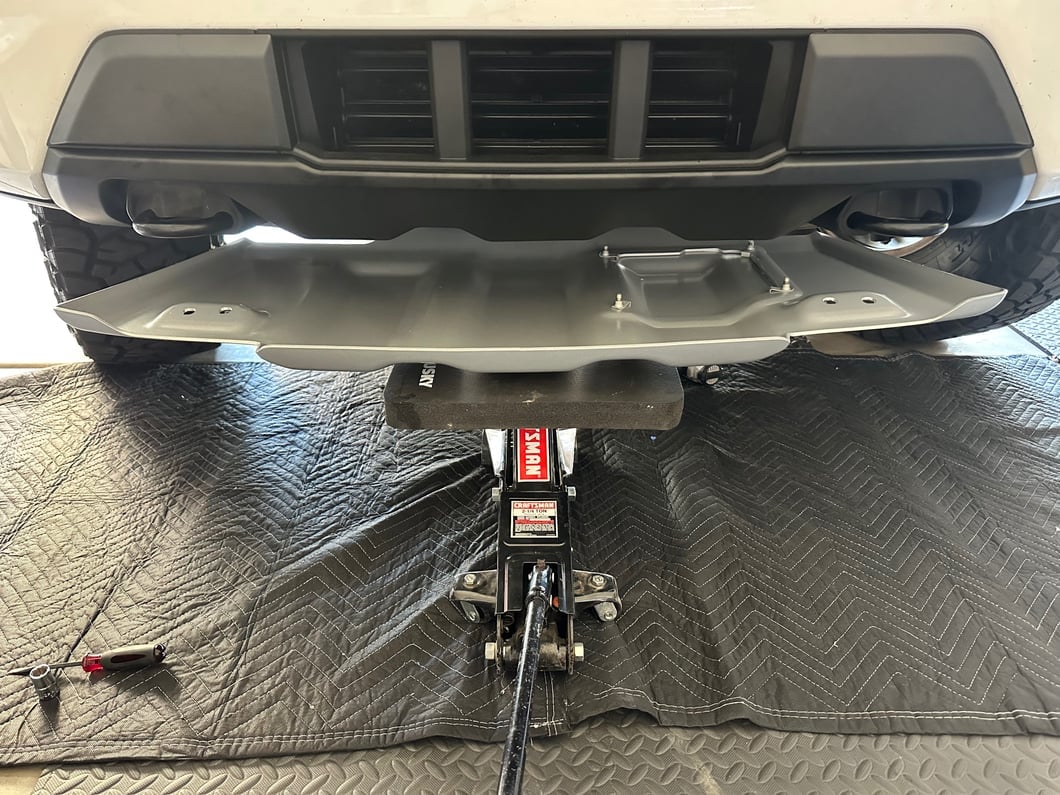
Choosing the right skid plates comes down to four factors: fitment, material, coverage, and budget. Get fitment right first — everything else follows from how and where you drive your truck.
Fitment — Universal vs. Custom Fit vs. Integral
Fitment is the single most important factor when buying skid plates. A plate that doesn't fit your truck's frame and crossmember mounting points won't protect anything effectively.
- Custom fit (vehicle-specific): Designed for your exact truck platform, year, and engine. Bolts to factory mounting points with no drilling. This is the best option for coverage and ease of installation.
- Universal fit: Designed to work across multiple trucks with adjustable mounting hardware. Usually cheaper but may require drilling, shimming, or modification for a secure fit.
- Integral (factory OEM): Some trucks come with factory-installed skid plates as part of an off-road package (like the Ford Tremor or Ram Off-Road Group). These are vehicle-specific but often thinner and less protective than aftermarket options.
We always recommend custom-fit skid plates from brands that engineer specifically for your truck. Check out our vehicle-specific categories to find plates matched to your platform — including F-150 armor and skid plates and Silverado skid plates.
Material — Match to Your Driving Style
Use the steel vs. aluminum breakdown above to guide your material decision. Here's the shortcut:
- Choose steel if you rock crawl, run aggressive trails frequently, or want the lowest upfront cost.
- Choose aluminum if you overland, drive a daily truck off-road occasionally, or want to minimize added weight.
Coverage — Individual Plates vs. Full Skid Plate Systems
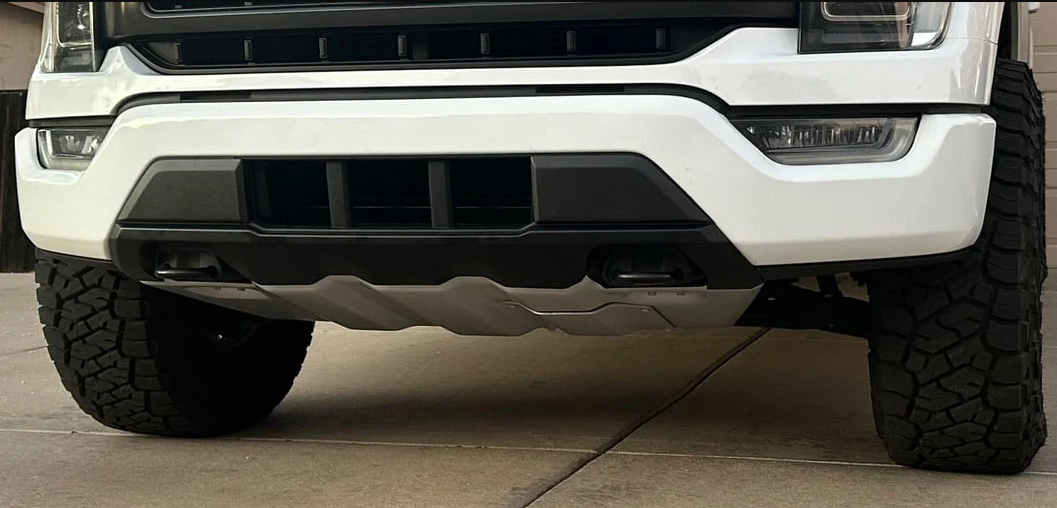
You can buy skid plates individually (engine only, transmission only) or as complete underbody systems that cover everything from the front bumper to the transfer case. Full systems are more expensive upfront but provide the most comprehensive protection and usually integrate better than mixing and matching individual plates from different manufacturers.
- Start with the engine/oil pan skid plate if you're on a budget — it protects the most vulnerable and expensive component.
- Add the transmission plate next — it's the second most exposed component and the most expensive to replace.
- Go full system if you're building a dedicated off-road or overland rig — the integrated coverage is worth the investment.
Budget — What to Expect to Spend
Individual skid plates run $100–$450 depending on material, brand, and truck fitment. Full skid plate systems (3–5 plates) range from $400–$1,500+. Here's a rough budget framework:
- Budget build ($100–$250): One or two steel plates covering the engine and transmission. Brands like Rough Country and Barricade hit this range.
- Mid-range build ($300–$700): Three to four plates in steel or aluminum covering engine, transmission, transfer case, and fuel tank. RCI Metalworks and RIVAL 4x4 offer kits in this range.
- Full coverage build ($700–$1,500+): Complete underbody protection system in premium steel or aluminum. RCI and ARB full sets live here.
Pairing skid plates with other underbody protection upgrades — like lift kits for added ground clearance and understanding your off-road suspension basics — gives you a well-rounded setup that handles whatever the trail throws at you.
Skid Plates by Truck: Fitment Guide
Skid plate fitment varies by truck platform, model year, engine, and drivetrain configuration. Below is a quick guide to finding the right plates for the most popular trucks, with direct links to our vehicle-specific categories.
Ford F-150 Skid Plates
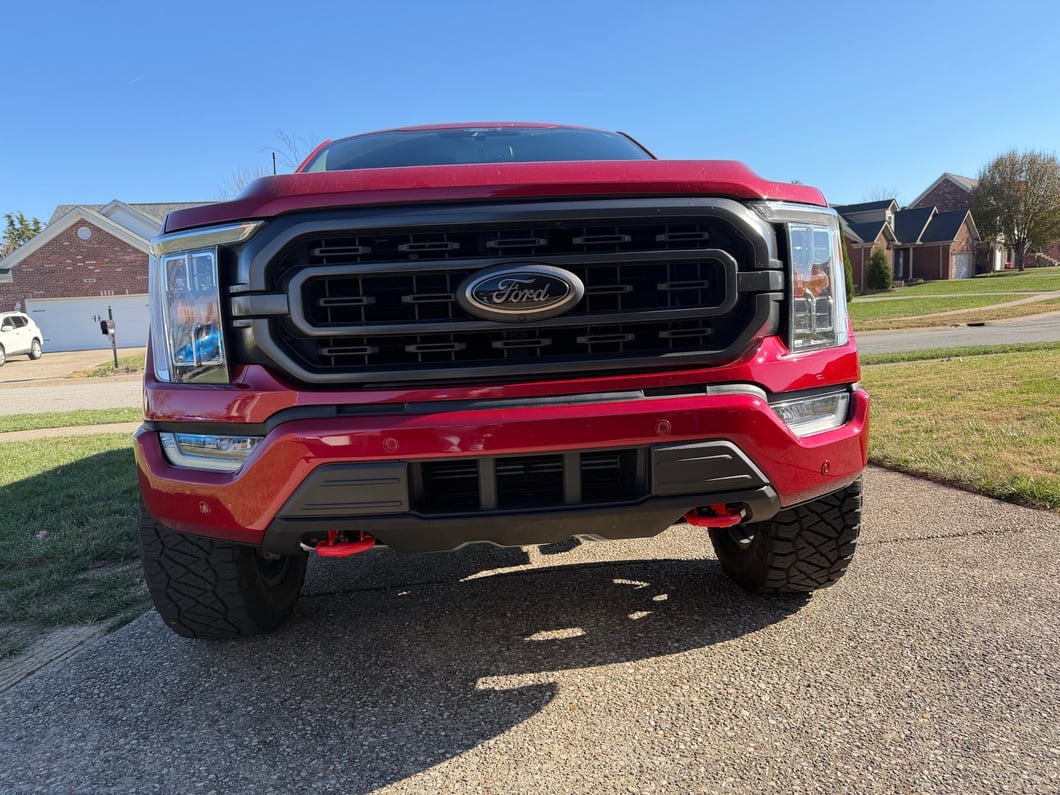
The F-150 is one of the most popular platforms for aftermarket skid plates. Whether you're running a 3.5L EcoBoost, 5.0L V8, or the PowerBoost hybrid, there are custom-fit options from most major brands. The F-150's aluminum body makes weight savings even more relevant — many owners opt for aluminum skid plates to keep the truck's lightweight advantage intact.
Browse our full selection of F-150 armor and skid plates.
Chevy Silverado Skid Plates
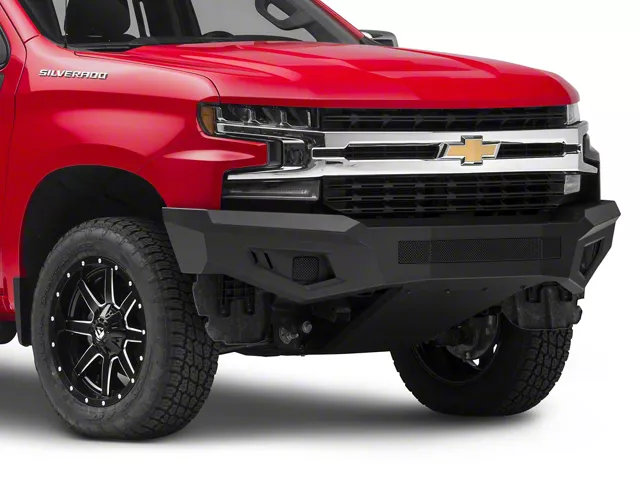
The Silverado 1500 has strong aftermarket support for skid plate kits, especially from Rough Country and RIVAL 4x4. Silverado 2500 and 3500 HD models have more limited options but benefit greatly from engine and transmission protection given their heavy-duty use cases.
Browse our selection of Silverado skid plates.
GMC Sierra Skid Plates
The Sierra shares its platform with the Silverado, so most skid plates that fit the Silverado will also fit the corresponding Sierra model year. Check fitment guides carefully for any model-specific differences in crossmember location or exhaust routing.
Browse our selection of Sierra armor and skid plates.
Ram 1500/2500 Skid Plates
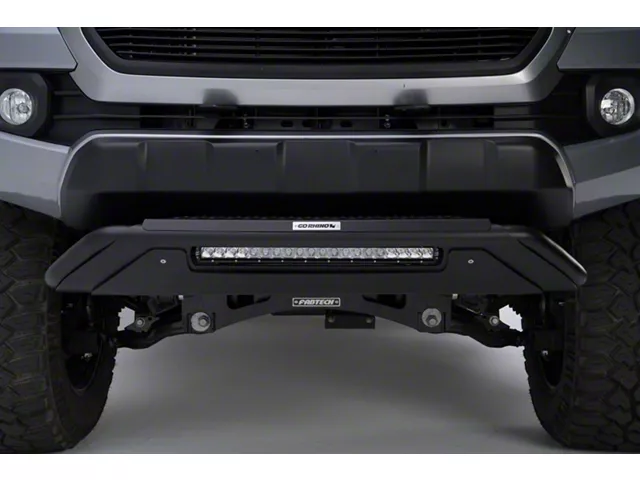
Ram trucks, especially the 2500 and 3500 HD models, are popular for both off-road and heavy towing applications. The Ram's coil-spring rear suspension (on the 1500) provides excellent articulation off-road but also means more underbody exposure. Skid plates are a smart addition for any Ram that sees dirt.
Browse our selection of Ram 2500 skid plates.
Mid-Size Trucks: Colorado, Canyon, and Ranger
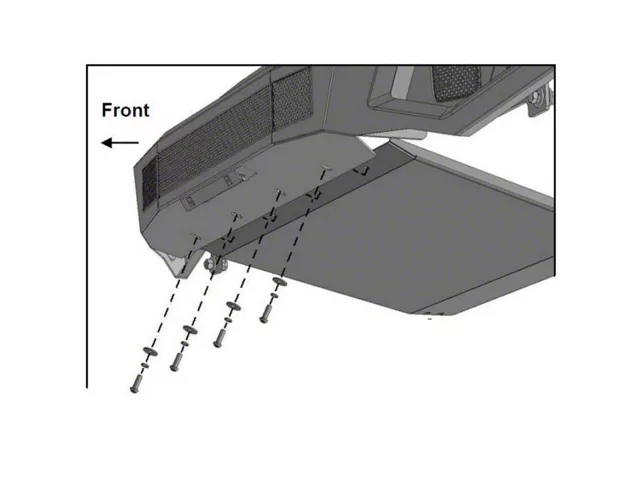
Mid-size trucks like the Chevy Colorado, GMC Canyon, and Ford Ranger are increasingly popular for trail use and overlanding. Their smaller size means less ground clearance in many cases, making skid plates even more important. Aftermarket options are growing for these platforms, with brands like Rough Country and RCI expanding their fitment coverage.
Browse our selections: Colorado skid plates | Canyon armor and skid plates | Off-road bumpers for additional front-end protection.
Related Content
- Lift Kits: How Adding Ground Clearance Makes Trucks More Capable Off-Road — Why more height means better trail performance and how it pairs with underbody armor.
- Off-Road Suspension 101 — A beginner's guide to upgrading your suspension for off-road driving.
- Truck Bumpers & Off-Road Bumpers — Pair skid plates with heavy-duty front and rear bumpers for complete trail protection.
Protect Your Truck's Underbody — Start Shopping
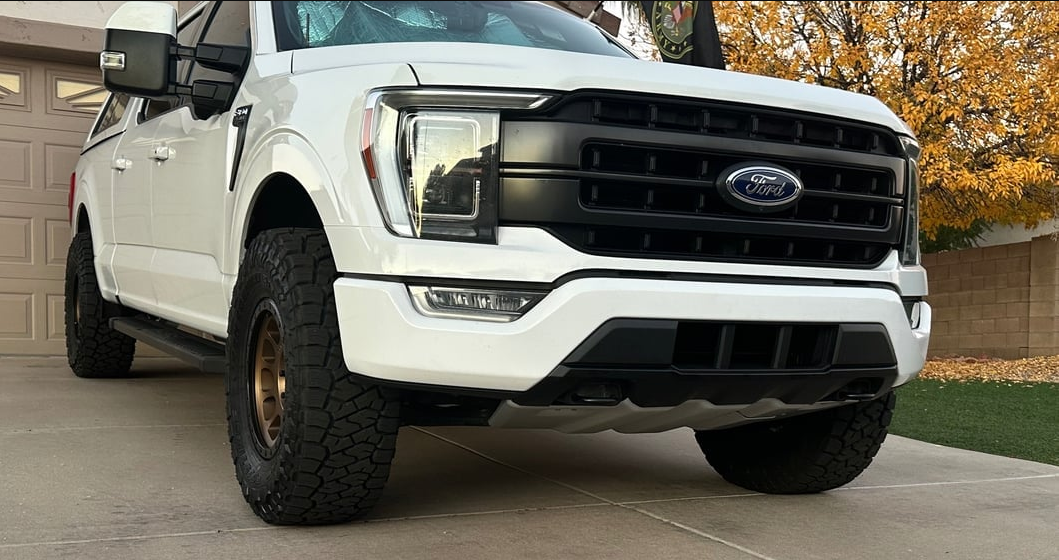
Skid plates are one of the smartest investments you can make for any truck that leaves pavement. Whether you need a single engine skid plate for weekend trail rides or a full underbody protection system for a dedicated off-road build, we've got you covered. Browse our complete selection of truck armor and skid plates to find custom-fit options for your truck, or explore our full catalog of exterior accessories to round out your build.
Frequently Asked Questions About Truck Skid Plates
Skid plates are one of the most practical upgrades you can add to a truck, but they raise plenty of questions — especially if you've never run them before. Here are the answers to the most common ones.
Are Skid Plates Worth It for a Truck?
Skid plates are absolutely worth it if you drive off-road, on gravel roads, or in areas with debris. A single rock strike to an exposed oil pan or transmission can cost $1,000 to $6,000 in repairs. A quality skid plate costs $100 to $300 and prevents that damage entirely, making it one of the highest-ROI upgrades you can install on a truck.
Which Skid Plate Is Most Important?
The engine/oil pan skid plate is the most important because the oil pan sits lowest on the undercarriage and is the most vulnerable to rock strikes. A cracked oil pan causes immediate oil loss that can destroy your engine within minutes. If you're only buying one plate, start with the engine skid plate and add transmission and transfer case protection as your budget allows.
What Is the Best Material for Skid Plates — Steel or Aluminum?
Steel is the best material for maximum impact protection, especially in rocky terrain where sharp impacts are common. Aluminum is better when weight savings matter — it's roughly 40% lighter than steel and naturally resists corrosion. Most serious off-roaders choose ⅛-inch steel for durability and value, while overlanders and desert runners often prefer aircraft-grade aluminum for the weight advantage.
What Do Skid Plates Protect on a Truck?
Truck skid plates protect the engine oil pan, transmission, transfer case, fuel tank, and differentials from impacts with rocks, stumps, and trail debris. Full skid plate systems cover the entire undercarriage from the front bumper to the rear axle. Individual plates let you protect specific components based on where your truck is most vulnerable and how you drive.
How Much Do Truck Skid Plates Cost?
Individual truck skid plates typically cost between $100 and $400 depending on material, thickness, and fitment. Full underbody skid plate systems — covering the engine, transmission, transfer case, and fuel tank — range from $500 to $1,500. Steel plates are generally less expensive than aluminum. Custom-fit plates cost more than universal options but provide tighter coverage and easier installation.
Do All Trucks Come with Skid Plates?
Most trucks come with a basic plastic splash shield or thin stamped-steel plate from the factory. These stock plates protect against road spray and minor debris, but they won't survive a direct hit from a rock or stump on the trail. Aftermarket skid plates use thicker steel or aircraft-grade aluminum and are designed specifically to absorb and deflect hard impacts that would destroy factory components.
Can You Install Skid Plates Yourself?
Yes, most aftermarket skid plates are designed for bolt-on installation using basic hand tools. Custom-fit plates typically take 30 to 90 minutes to install because they use existing mounting points on the frame. Universal plates may require drilling or modification. You'll need a jack and jack stands to safely access the underside of your truck during installation.
Do Skid Plates Affect Ground Clearance?
Skid plates add minimal thickness to your truck's undercarriage — typically ⅛ to ¼ inch — so they don't meaningfully reduce ground clearance. In practice, they improve effective ground clearance by creating a smooth, angled surface that lets your truck slide over obstacles instead of catching on exposed components like the oil pan or differential housing.