
Fire trucks and fire apparatus are specialized emergency vehicles built for specific jobs, including pumping water, carrying ladders, rescuing victims, fighting wildfires, handling hazardous materials, and coordinating major incidents. Knowing the difference between each type helps explain why firefighters use multiple apparatus to respond safely and effectively to different emergencies.
 FREE 1 to 3-Day Delivery on Orders $149+ Details
Learn about Fire Trucks and Apparatus

Have you ever noticed that almost every emergency vehicle from a fire department gets called a fire truck? While that's understandable, firefighters actually use many different types of vehicles, each built for a specific purpose.
Some deliver thousands of gallons of water to fight extensive fires. Others carry towering aerial ladders for high-rise rescues, navigate rugged terrain to battle wildfires, or transport specialized emergency response equipment to deal with hazardous materials.
Together, these vehicles are known as fire apparatus, and each plays an important role in helping firefighters respond quickly and safely when every second counts.
What Is Fire Apparatus?
Fire apparatus is the general term for the specialized vehicles firefighters use to respond to emergencies. Some are built to pump water, others carry ladders or rescue equipment, while certain vehicles serve as mobile command centers.
Fire Engine vs. Fire Truck: What's the Difference?
Many people use the terms fire engine and fire truck to mean the same thing, but they have different jobs.
A fire engine, also called a pumper, is built to fight fires. It carries water, hoses, pumps, and other equipment firefighters use to put out flames.
A fire truck usually carries equipment that helps firefighters do other important jobs, such as reaching tall buildings with aerial ladders or rescuing people trapped after an accident.
During many emergencies, you'll see several types of fire apparatus working together, with each vehicle playing a different role.
Types of Fire Trucks and Apparatus
Fire Engine (Pumper)
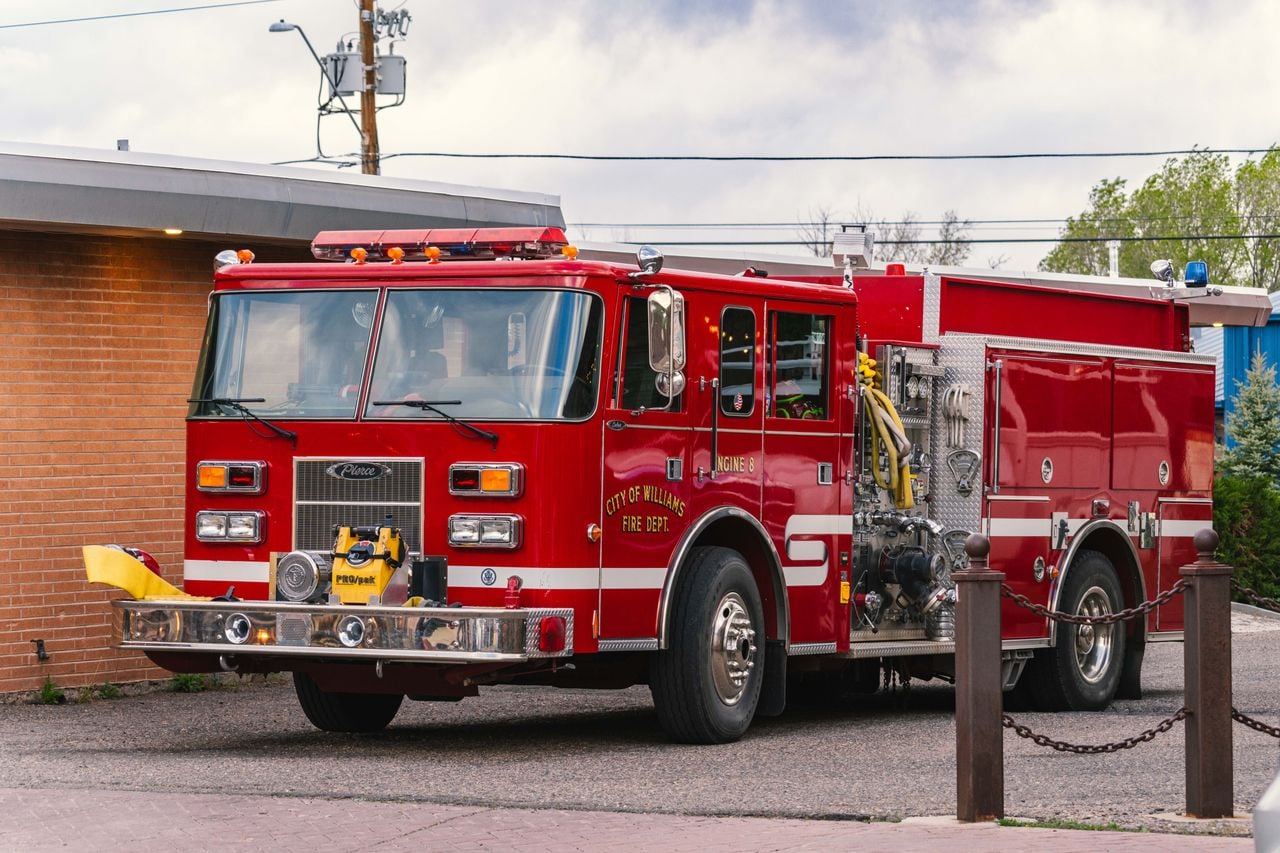
The fire engine is the most common vehicle in a fire department's fleet. Its primary job is to deliver water to extinguish fires.
Fire engines carry a water tank for immediate firefighting and can connect to fire hydrants to save the stored water for when it's really needed. They also transport hoses, nozzles, pumps, hand tools, and basic medical equipment, allowing firefighters to respond quickly to many different emergencies.
Ladder Truck (Aerial Truck)
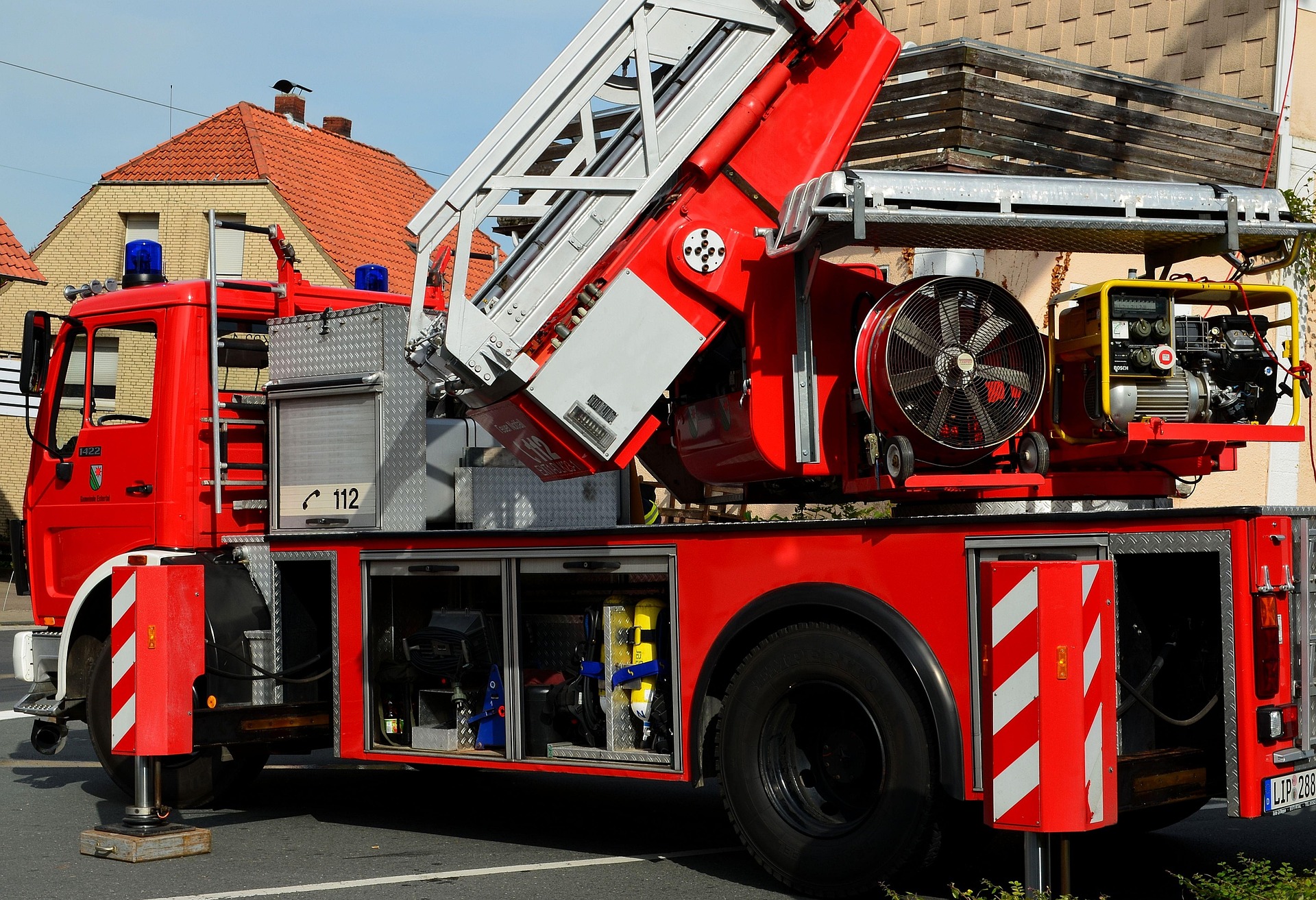
Ladder trucks are designed to reach places that ground ladders can't.
Their extendable aerial ladders help firefighters access upper floors, rescue people from tall buildings, and direct water onto fires from above. Many ladder trucks also carry ventilation tools used to remove smoke and heat from buildings during a fire.
Quint
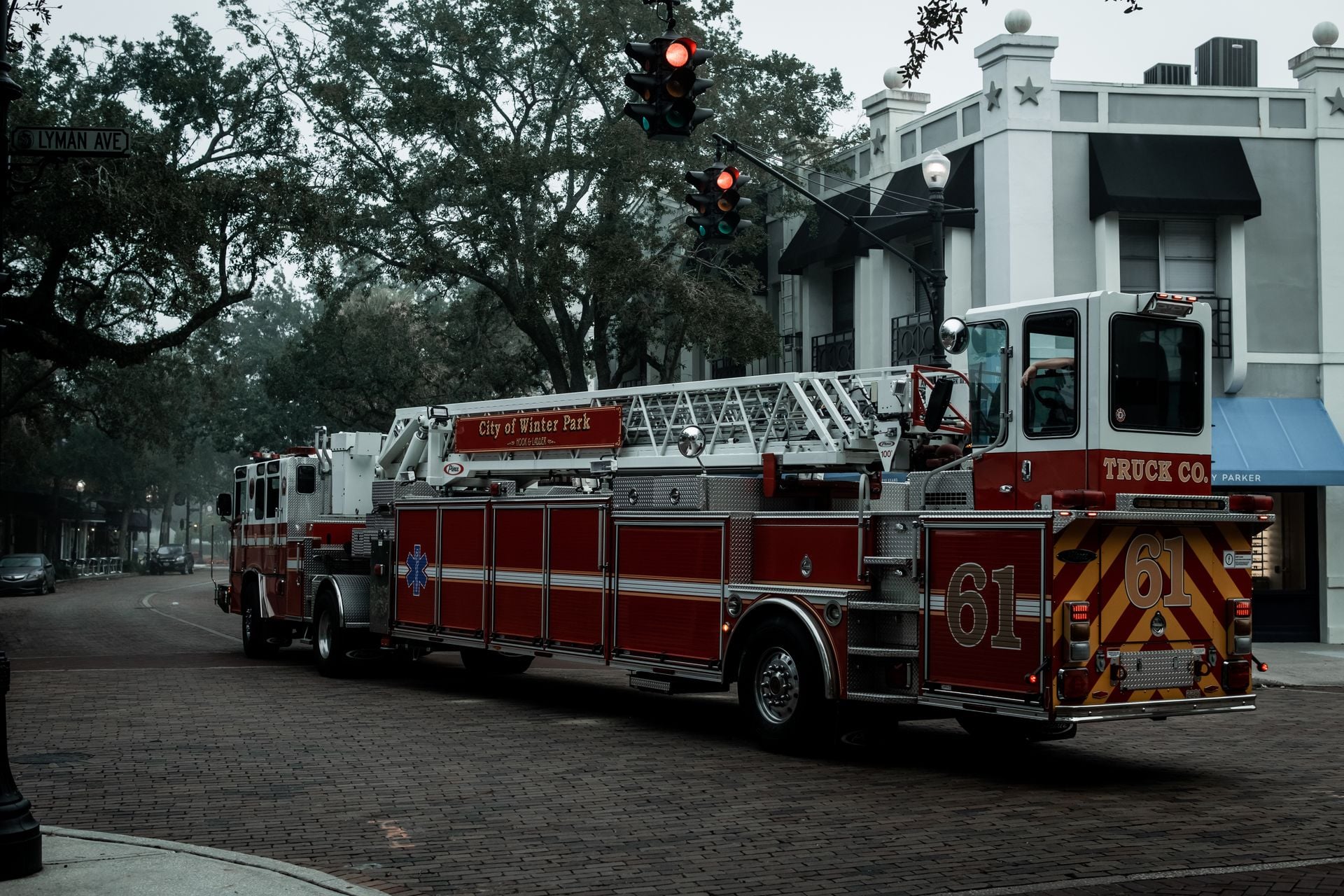
A quint combines several important firefighting functions into one vehicle. The name comes from the five major features it carries:
- A pump
- A water tank
- Fire hose
- An aerial ladder
- Ground ladders
Because of its versatility, a quint can perform many of the same jobs as both a fire engine and a ladder truck, making it especially useful for departments that need one vehicle to handle multiple tasks.
Rescue Truck
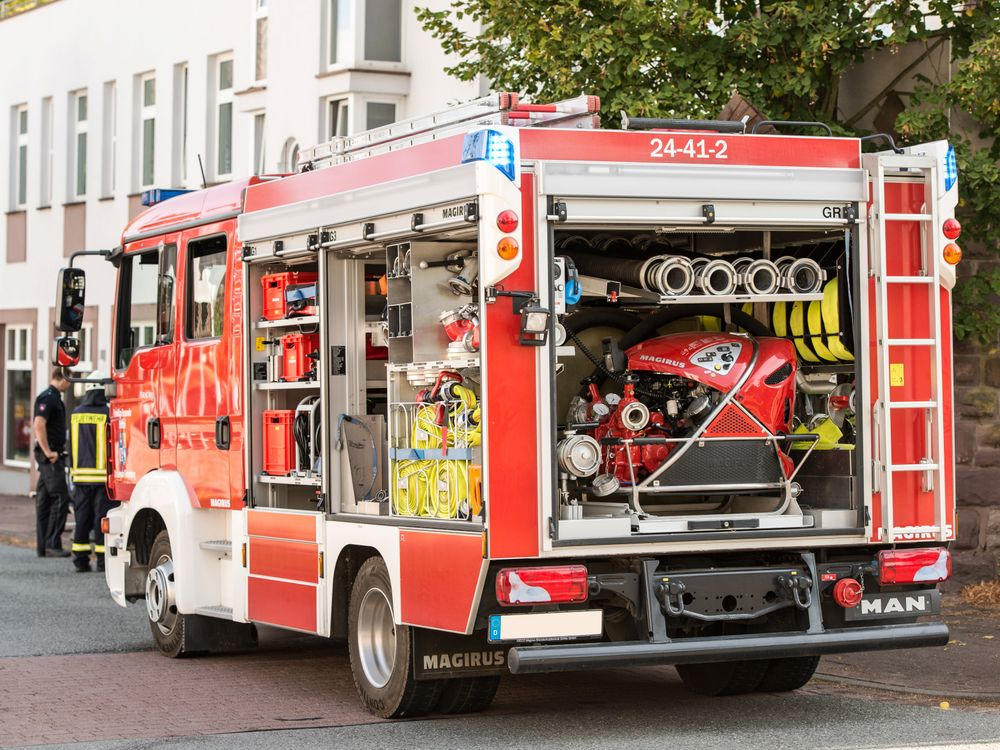
Rescue trucks are built to carry the equipment firefighters need for complex rescue operations.
These vehicles often respond to vehicle collisions, building collapses, and technical rescue incidents. They may carry hydraulic rescue tools, rope rescue equipment, lifting airbags, cutting tools, medical supplies, and other specialty tools needed to free trapped victims safely.
Brush Truck
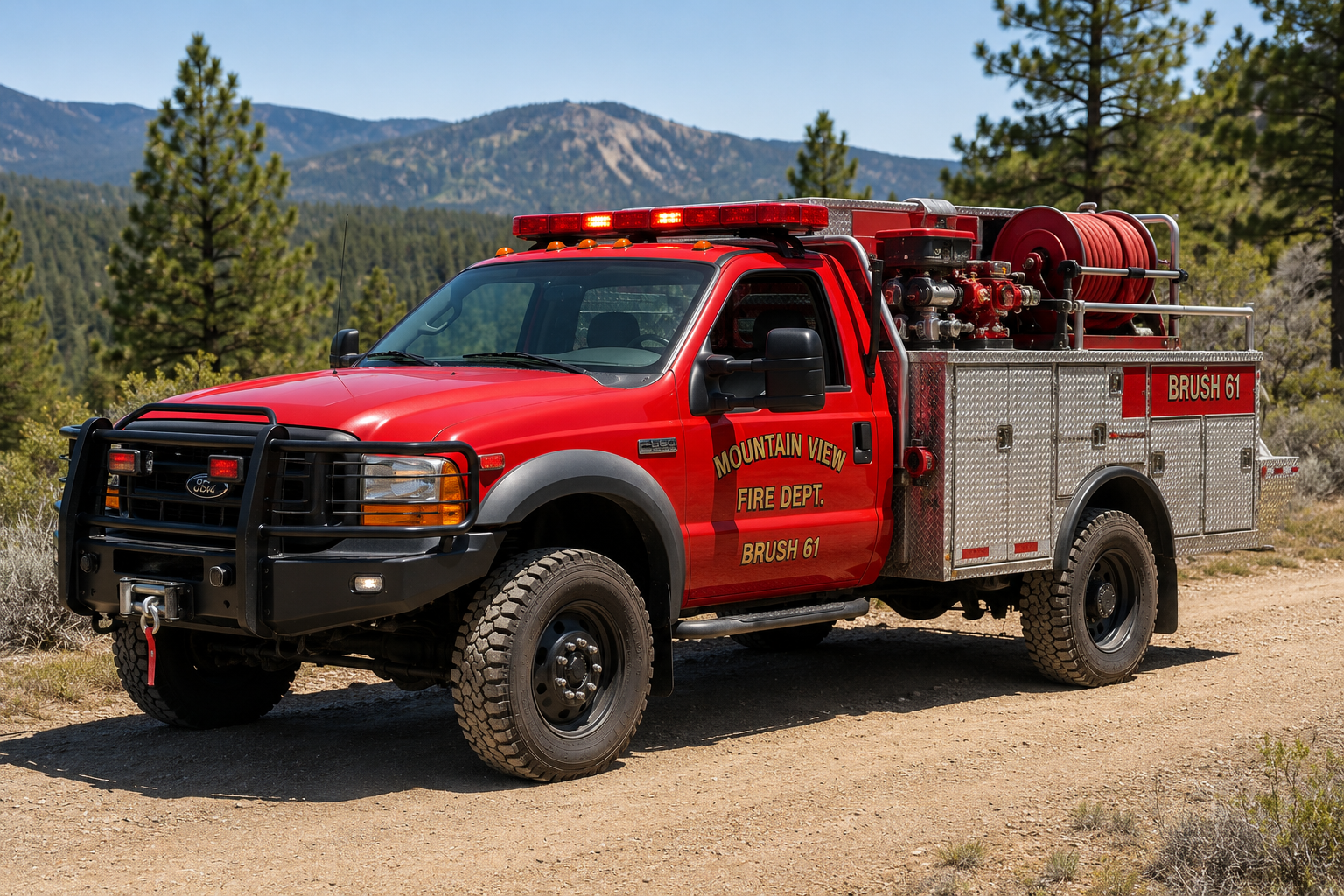
Brush trucks are built to fight wildfires and grass fires in areas where larger fire engines cannot easily travel.
They are smaller and more maneuverable than standard fire engines, allowing them to drive on dirt roads, forest trails, and rough terrain. Their heavy-duty suspension helps them stay stable when carrying equipment across uneven ground. Brush trucks typically carry smaller water tanks, high-pressure pumps, hand tools, and off-road tires that provide better traction on loose soil, mud, and rocky terrain.
Tanker (Water Tender)
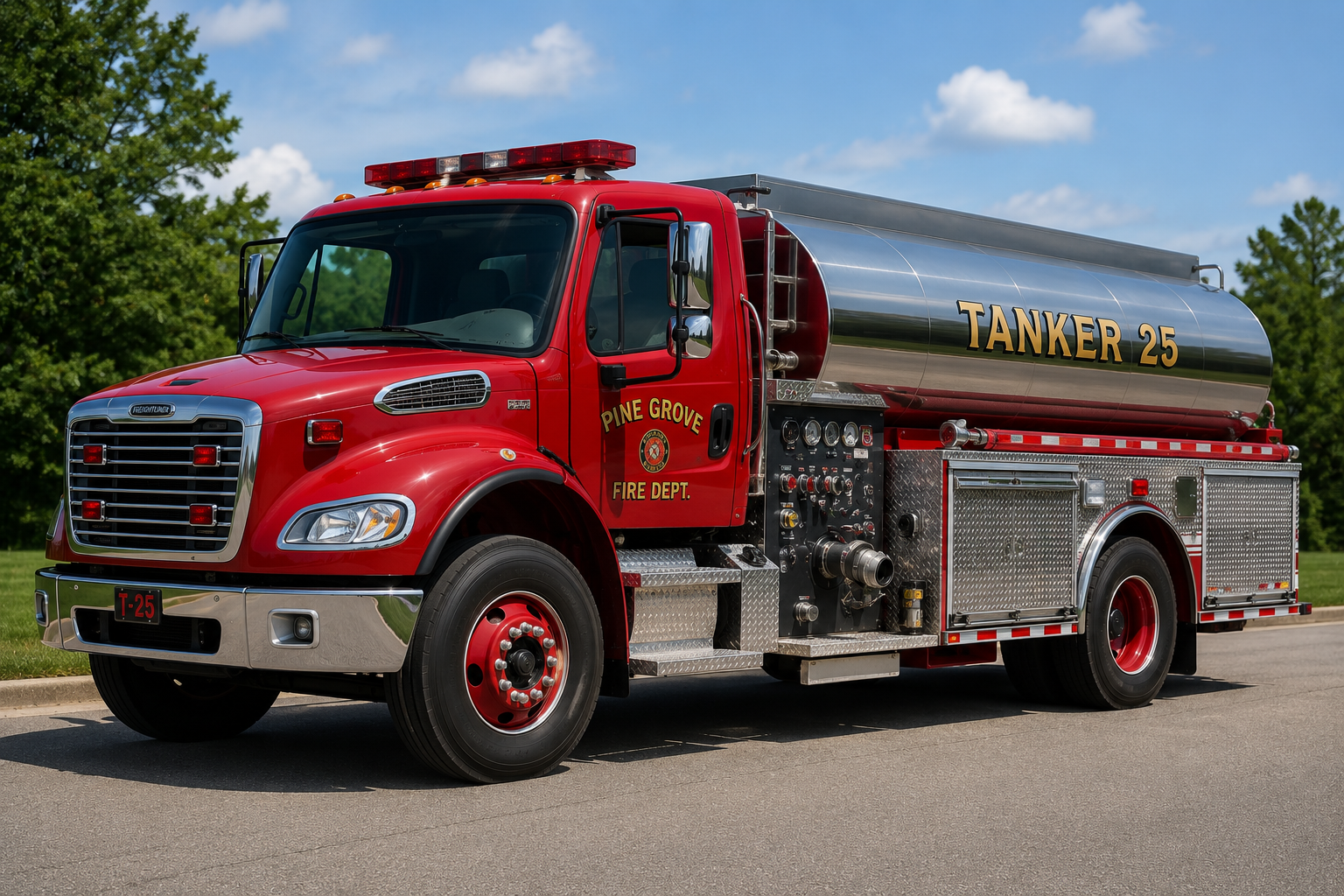
Not every community has fire hydrants nearby. In rural areas, firefighters often rely on tanker trucks - also called water tenders - to transport large amounts of water to the scene.
These vehicles shuttle water between a reliable water source and firefighters working to control the fire, helping maintain a continuous water supply when hydrants are not an option.
Airport Rescue and Fire Fighting (ARFF) Vehicle
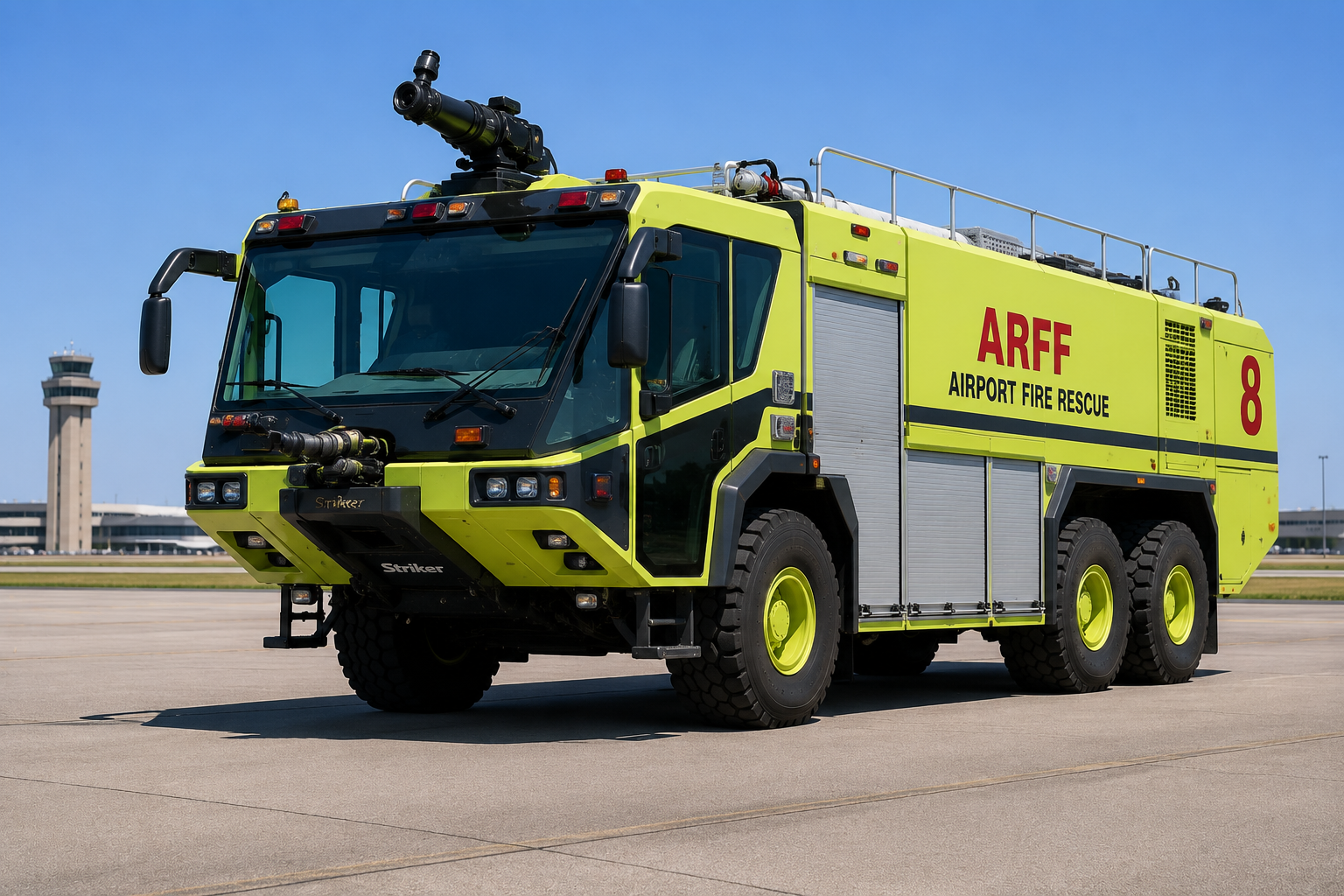
Airports use specialized emergency vehicles known as ARFF vehicles.
These large trucks are designed to respond quickly to aircraft emergencies. They carry water, firefighting foam, dry chemical agents, and equipment designed to handle fuel fires and aircraft rescues.
Because every second matters during an airport emergency, ARFF vehicles are built for both speed and performance.
Hazardous Materials (HazMat) Unit
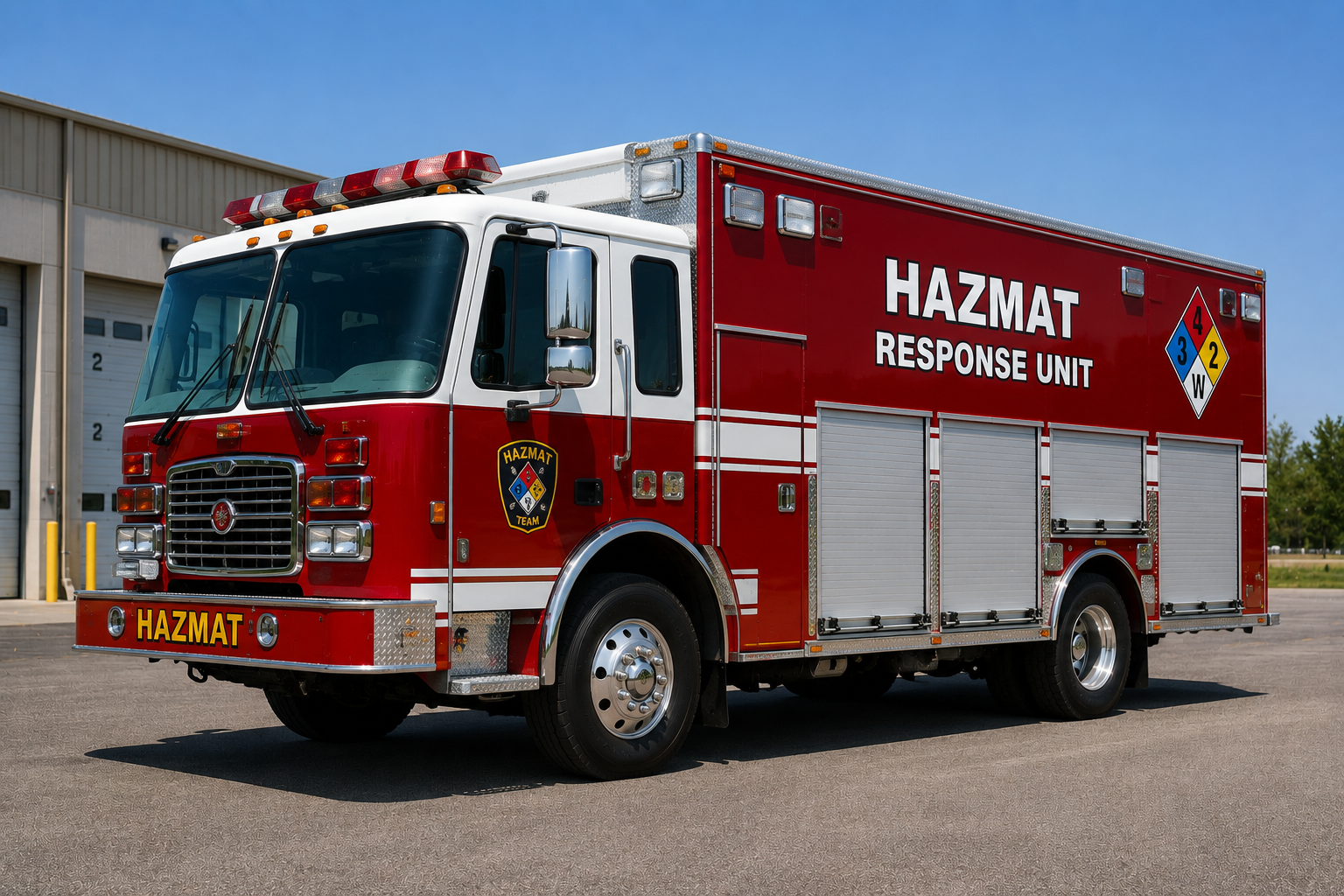
Some emergencies involve dangerous chemicals, gases, or other hazardous substances rather than fire.
HazMat units transport the tools and equipment needed to identify hazardous materials, contain spills, monitor air quality, and protect both emergency responders and the public. Firefighters assigned to these units receive additional training to safely handle hazardous situations.
Command Vehicle
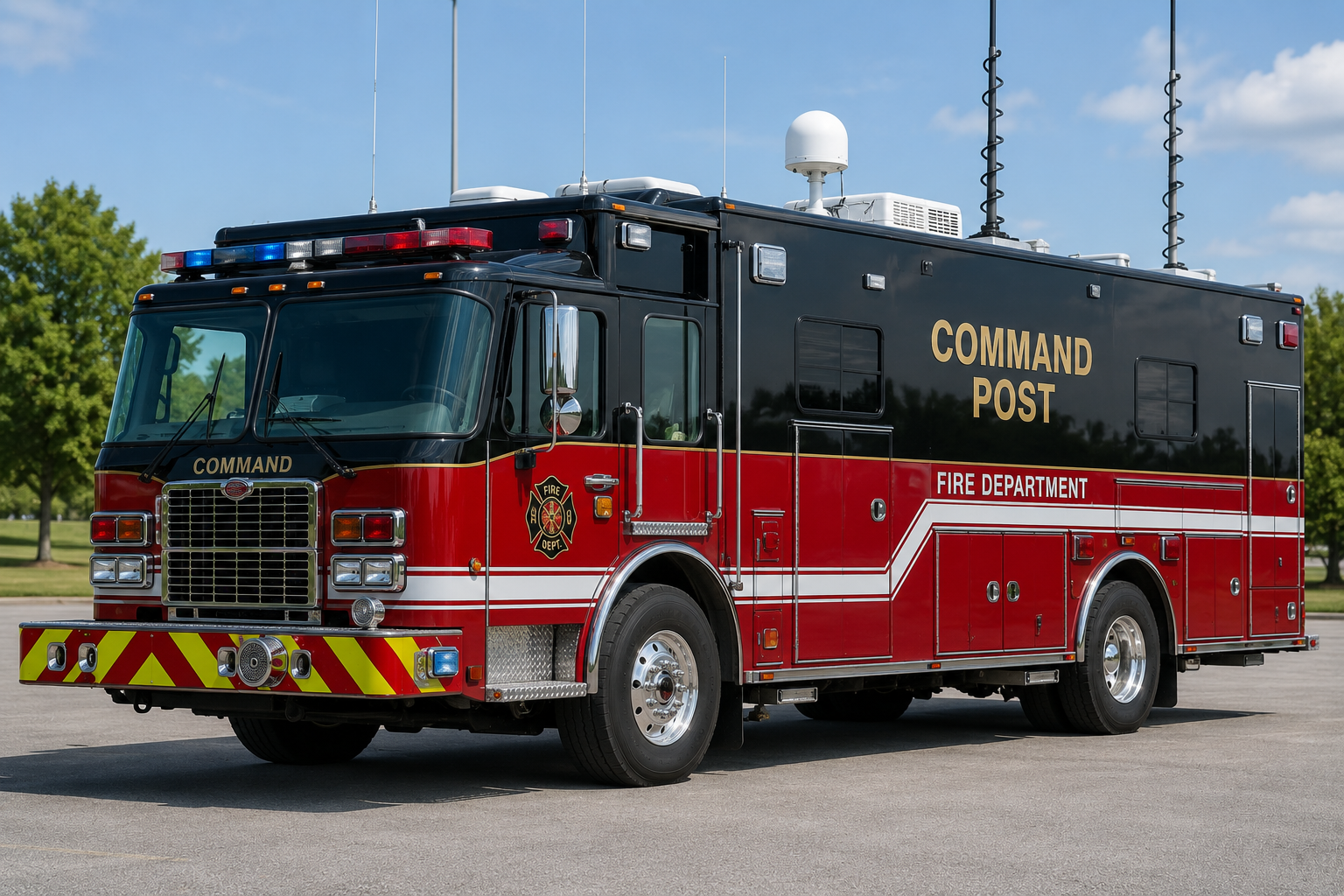
Large emergencies require careful coordination.
Command vehicles serve as mobile offices where fire officers monitor the incident, communicate with other agencies, review maps, and direct emergency operations. These vehicles are equipped with radios, computers, and communication technology that helps crews work together efficiently.
Common Equipment Found on Fire Trucks
Although each vehicle serves a different purpose, many fire apparatus units carry similar equipment. Depending on the type of truck, firefighters may use:
- Fire hoses and nozzles
- Water pumps
- Portable ladders
- Self-contained breathing apparatus (SCBA)
- Hydraulic rescue tools
- Axes, pike poles, and other hand tools
- Medical equipment
- Portable generators and lighting
- Fire extinguishers
- Traffic cones and safety equipment
This equipment allows firefighters to respond to a wide variety of emergencies beyond fighting fires.
How Firefighters Choose the Right Vehicle
Different emergencies require different equipment.
For example:
- A house fire usually requires one or more fire engines and a ladder truck.
- A wildfire may call for brush trucks that can travel off-road.
- A serious car crash often requires a rescue truck with hydraulic tools.
- A chemical spill may require a HazMat unit.
- A major emergency involving multiple agencies often includes a command vehicle to coordinate the response.
How Fire Trucks Have Changed Over Time
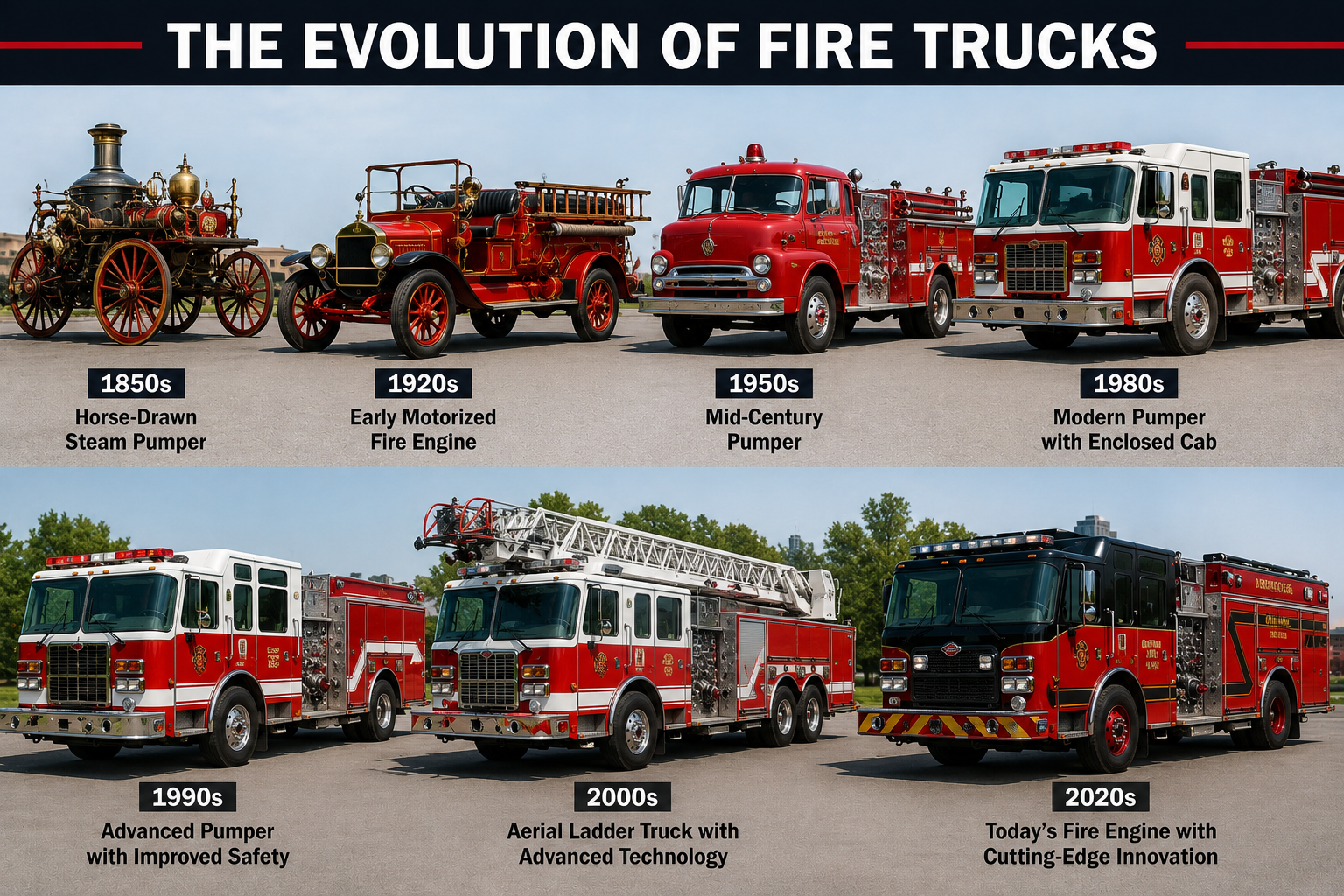
Firefighting equipment has come a long way over the centuries.
Early firefighters used hand-operated pumps and horse-drawn wagons to carry water and equipment. As technology improved, steam-powered pumps and motorized fire engines replaced older methods.
Today's fire apparatus includes advanced communication systems, powerful pumps, aerial ladders that can reach more than 100 feet, thermal imaging cameras, high-visibility emergency lighting, and specialized rescue equipment. These modern features help firefighters respond faster, work more safely, and protect communities more effectively than ever before.
Fun Facts!
- The first motorized fire engines began replacing horse-drawn apparatus in the early 1900s.
- Although many fire trucks are red, departments also use white, yellow, lime green, and other colors to improve visibility.
- Some aerial ladders can extend more than 100 feet into the air.
- Airport rescue vehicles can accelerate surprisingly quickly despite their large size, so they can reach aircraft emergencies in seconds.
- Brush trucks are specially designed to travel over rough terrain that larger fire engines cannot safely access.
- Firefighters respond to many emergencies besides fires, including medical calls, vehicle crashes, hazardous material incidents, and natural disasters.
- Some fire boats can pump thousands of gallons of water every minute to fight fires near rivers, lakes, and harbors.
- Many modern fire departments now use drones, thermal imaging cameras, and advanced computer technology to improve emergency response.
Resources to Learn More
- U.S. Fire Administration - Fire and Life Safety Educator Resources
- National Interagency Fire Center - Wildland Fire Resources
- CDC/NIOSH - Fire Fighter Safety and Health Program
- National Park Service - Wildland Fire Program
- Occupational Outlook Handbook- Firefighters
- Aircraft Rescue and Firefighting
- National Fire Protection Association Research
- Explore Historic Fire Engines
- Campfire Safety
- Fire Safety at Home
Frequently Asked Questions
What is the difference between a fire truck and a fire engine?
A fire engine, also called a pumper, is built to fight fires and usually carries water, hoses, pumps, and basic firefighting tools. A fire truck often focuses on rescue or access tasks, such as carrying aerial ladders, ventilation equipment, and specialized tools.
What are the main types of fire apparatus?
The main types of fire apparatus include fire engines, ladder trucks, quints, rescue trucks, brush trucks, tankers, ARFF vehicles, HazMat units, and command vehicles. Each one is designed for a specific emergency response role.
Why do fire departments use different fire vehicles?
Different emergencies require different equipment, terrain access, and response capabilities. Using the right apparatus helps firefighters respond faster, work more safely, and bring the right tools to the scene.
What does an ARFF vehicle do?
An ARFF vehicle stands for Airport Rescue and Fire Fighting vehicle. It is designed to respond quickly to aircraft emergencies with water, foam, dry chemical agents, and rescue equipment.
What equipment is commonly found on fire trucks?
Common fire truck equipment includes hoses, nozzles, water pumps, ladders, SCBA, hydraulic rescue tools, axes, pike poles, medical gear, generators, lights, extinguishers, and traffic safety equipment.